


 पूर्वावलोकन देखें
 साझा करें
 साझा करें
 विस्तृत विवरण
 मार्गदर्शिका

 डाउनलोड करें
 समान कलाकृतियाँ
 एक्स-रे
 स्लाइड शो देखें
 आंकड़े
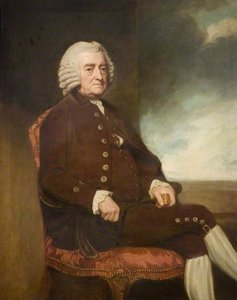
John Richard West (1757–1783), 4th Earl de la Warr
 Oil On Canvas
- WallArt
- Neoclassical Portraiture
 Early Modern
 149.0 x 119.0 cm
 The National Trust For Scotland
 पूरा देखें
हाथ से बनी ऑयल रिप्रोडक्शन
आपके आकार और फ्रेम के अनुसार कैनवास पर हाथ से बनी ऑयल पेंटिंग, हमारे कलाकारों द्वारा विशेष रूप से ऑर्डर पर तैयार। ( प्रिंट पर स्विच करें डिजिटल इमेज पर स्विच करें)




P118B $10

P118H $10

P118W $10

P438Z $10

P508JH $12

P508YH $12

P805H $10

P805Z $10

P919BZ $10

P919G $10

P919XJ $10

P959ZH $10

P968JZ $12

W106C $8

W218G $10

W218JH $8

W218Y $10

W307PJ $10

W316G $10

W316PJ $8

W316Y $10

W398PJ $8

W4111J $10

W500HY $15

W500JH $15

W692G $12

W849H $8

W940BG $15

W953PJ $8




कलाकृति के मूल अनुपात से मेल खाने वाले हमारे पूर्व निर्धारित आकारों में से चुनें।

आप किसी विशिष्ट फ्रेम या स्थान के अनुसार अपने स्वयं के आयाम (dimensions) दर्ज कर सकते हैं। यदि आपके द्वारा चुना गया आकार मूल छवि के अनुपात से मेल नहीं खाता है, तो हम कलाकृति को क्रॉप करेंगे या पेंटिंग में अतिरिक्त हाथ से चित्रित तत्व जोड़कर उसका विस्तार करेंगे। उत्पादन शुरू होने से पहले आपकी स्वीकृति के लिए एक डिजिटल मॉकअप भेजा जाएगा।
कृपया ध्यान दें कि स्क्रीन पर दिखने वाला पूर्वावलोकन वास्तविक क्रॉपिंग या विस्तार को नहीं दर्शाता है। केवल मॉकअप ही अंतिम रचना को सटीक रूप से दिखाएगा।
यद्यपि कस्टम आकार उपलब्ध हैं, फिर भी हम मूल अनुपात बनाए रखने के लिए पूर्व-निर्धारित सूची से आयाम चुनने की सलाह देते हैं।
ऑर्डर देने के बाद, AllPaintingsStore.com टीम निर्देशों के लिए क्लाइंट को ईमेल करेगी और एक मॉकअप प्रीव्यू प्रदान करेगी
विश्वव्यापी वितरण () मानक 5 सप्ताह के बजाय मात्र 3/4 सप्ताह में। (21 सितमबर)। गुणवत्ता से कोई समझौता नहीं।

दुनिया भर में मुफ़्त एक्सप्रेस शिपिंग

उच्च गुणवत्ता वाला लिनेन कैनवास

पूर्ण शिपिंग बीमा

सीमा शुल्क और आयात कर वापसी की गारंटी

सटीक रंग मिलान की गारंटी

100-दिन की वापसी नीति (केवल दोषपूर्ण होने पर)

100% पैसे वापसी की गारंटी

थोक छूट का लाभ
 ग्लास का विकल्प केवल 110 सेमी से कम आकार में ही उपलब्ध है।

John Richard West (1757–1783), 4th Earl de la Warr
प्रतिकृति की विधि
प्रतिकृति का आकार
-


कुल देय राशि
$ 258
A Vision of Noble Grace: Encountering the 4th Earl de la Warr
In the quiet, evocative realm of George Romney’s portraiture, few works command the room with such poised authority as his depiction of John Richard West, the 4th Earl de la Warr. To gaze upon this canvas is to step directly into the heart of Georgian England, a period defined by an intricate dance between social hierarchy and the burgeoning romanticism of the natural world. The portrait does not merely present a face; it presents a legacy. Centered within the composition, West stands as a pillar of aristocratic dignity, his presence anchored by the weight of his station yet softened by the atmospheric serenity of the landscape that cradles him. It is a masterpiece that invites the viewer to contemplate not just the man, but the very era he embodied.
Romney, a master who rose from humble beginnings as a cabinet maker’s apprentice to become the most fashionable portraitist of his day, employs a technique that breathes life into every fiber of the canvas. Through a meticulous layering of oil paints, he achieves a breathtaking depth, where the subtle textures of West's black suit and the delicate sheen of gold buttons contrast beautifully against the luminous, powdered white of his wig. His brushwork is a study in controlled brilliance—visible enough to impart a sense of immediate, living energy, yet refined enough to maintain the polished elegance required for such a high-society commission. The artist’s ability to manipulate light and shadow creates a psychological intimacy, pulling the observer into a silent dialogue with the subject.
Symbolism and the Romantic Landscape
Beyond the physical likeness, the painting is rich with the symbolic language of the late 18th century. Behind the Earl, a lush, woodland scene unfolds, serving as much more than a mere backdrop. This hillside landscape, rendered with Romney’s signature atmospheric perspective, speaks to the Romantic ideal of man’s connection to the enduring strength of nature. The trees, standing resilient against the soft, hazy light, mirror the perceived stability and fortitude of the Earl himself. There is a profound sense of tranquility in this greenery, a deliberate counterpoint to the formal gravity of West's persona.
Adding a layer of poignant narrative is the sword held firmly in the Earl’s hand. This is not merely an accessory of wealth, but a potent emblem of authority, duty, and the martial responsibilities inherent to his noble lineage. As a figure who would later navigate the complexities of diplomacy and governance, the sword serves as a reminder of the weight of leadership. For the collector or the interior designer, this piece offers a profound emotional resonance; it is an artwork that balances the ruggedness of duty with the refined elegance of high culture, making it a commanding focal point for any sophisticated space.
An Enduring Legacy for the Modern Collector
For those seeking to infuse their surroundings with a sense of history and timeless sophistication, a reproduction of this work offers unparalleled inspiration. The portrait of John Richard West is more than a historical document; it is an atmospheric experience. It brings into a contemporary home or gallery the quiet grandeur of the British estate and the soulful depth of the Romantic movement. Whether placed in a sunlit study or a formal dining hall, the painting’s interplay of dark tones and natural light provides a sense of permanence and intellectual depth that transcends passing trends.
Owning such a piece is an invitation to surround oneself with the echoes of greatness. It allows the modern observer to reconnect with the values of character, resilience, and grace that Romney so expertly captured on canvas over two centuries ago. In every stroke of the recreated oil paint, one finds a tribute to the enduring power of fine art to transport us across time.
संबद्ध कलाकृतियाँ




कलाकार का जीवन परिचय
A Life in Portraiture: The World of George Romney
Born in the picturesque landscape of Dalton-in-Furness, Lancashire, on December 15th, 1734, George Romney ascended to become one of the most sought-after portrait painters of his era. His journey from a cabinet maker’s son to the favored artist of British high society is a compelling narrative of innate talent and unwavering ambition. Early life offered little indication of the artistic path he would forge; initially apprenticed to his father, it was an inherent inclination towards drawing and craftsmanship that led him to Christopher Steele, a local portraitist who had studied in Paris. This apprenticeship proved pivotal, providing Romney with foundational skills and an introduction to European artistic traditions. He quickly surpassed his master, however, demonstrating a precocious talent demanding further cultivation. A brief, unhappy marriage and subsequent separation propelled him towards London in 1762, a city brimming with opportunity but also fierce competition.Establishing a Reputation: Style and Technique
London proved to be a crucible for Romney’s artistic development. He swiftly established himself as a formidable portraitist, challenging the dominance of artists like Thomas Gainsborough and Sir Joshua Reynolds. While he never sought membership in the Royal Academy – a decision that perhaps limited his access to certain patronage – his success was undeniable. Romney's style evolved over time, initially reflecting the influence of Steele and his Parisian training, but soon blossomed into something distinctly his own. He possessed an exceptional ability to capture not merely the likeness, but also the personality and social standing of his sitters. His portraits are characterized by elegant poses, a refined use of light and shadow, and a subtle psychological insight that set him apart. Romney’s technique was marked by a delicate touch and a preference for flowing lines, often drawing inspiration from classical sculpture. He skillfully employed color to convey texture and depth, creating portraits that were both visually striking and emotionally resonant. His ability to flatter his subjects while maintaining artistic integrity earned him the loyalty of an elite clientele. He understood the power of suggestion, hinting at character rather than explicitly defining it, a quality that appealed to those who valued discretion and refinement. Romney’s meticulous attention to detail—the subtle folds of fabric, the delicate rendering of skin tones—became hallmarks of his distinctive style.The Muse and Her Influence: Emma Hamilton
Romney’s life took a dramatic turn with his encounter with Emma Hart, later known as Lady Hamilton, in 1782. She became not only his most celebrated model but also his muse, profoundly influencing his artistic output. Emma's beauty, intelligence, and theatrical flair captivated Romney, inspiring a series of portraits that explored themes of classical mythology, dramatic narrative, and feminine grace. He depicted her in various roles – as a spinner, as the tragic Miranda from Shakespeare’s *The Tempest*, and in numerous allegorical scenes that showcased her expressive range. These works demonstrate Romney's willingness to experiment with composition and symbolism, moving beyond conventional portraiture into more imaginative territory. The Tempest series, in particular, reveals a Romantic sensibility at play, anticipating the emotional intensity of later artists. The relationship was intense and all-consuming for Romney, though ultimately unfulfilled romantically; Emma eventually became the mistress of Lord Nelson, a union that cemented her place in history. Nevertheless, their artistic collaboration left an indelible mark on both their lives and produced some of Romney’s most enduring masterpieces. He painted over 80 portraits of her, each revealing a different facet of her captivating personality.Notable Works
Romney's oeuvre encompasses a remarkable range of subjects and styles. Among his most celebrated paintings are *Peter and James Romney*, depicting his brothers in a dignified familial portrait; *Portrait of G. Cowper*, capturing the contemplative gaze of the poet George Cowper; *The Death of General Wolfe*, a monumental depiction commemorating the victory at Quebec—a testament to his ambition and artistic prowess; and *Mrs. Carwardine & Son*, showcasing a mother and child with remarkable tenderness and sensitivity. These works exemplify Romney’s mastery of technique and his ability to convey profound emotion through visual representation. His meticulous attention to detail, combined with his understanding of human psychology, distinguishes him from many of his contemporaries.Legacy and Historical Significance
George Romney's impact on British portraiture is undeniable. He helped shape the aesthetic sensibilities of the late 18th century, contributing to a style that emphasized elegance, psychological depth, and artistic flair. His portraits offer invaluable insights into the lives and tastes of the British elite during his time, providing a visual record of their social customs, fashion, and intellectual pursuits. Romney’s influence extended beyond his own lifetime, inspiring subsequent generations of artists who admired his skill and sensitivity. He remains a significant figure in the history of art, a master portraitist who captured the spirit of an age and left behind a body of work that continues to captivate and inspire. Romney's legacy is secured not only by his artistic achievements but also by the enduring fascination with his relationship with Emma Hamilton—a story of passion, artistry, and scandal that resonates across centuries. He stands as a symbol of British Romanticism’s pursuit of beauty and truth in art.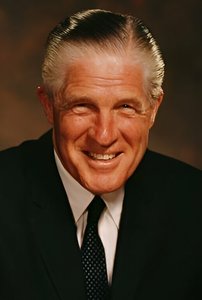
जॉर्ज रॉमिनी
1734 - 1802 , यूनाइटेड किंगडम
मुख्य तथ्य
- Artistic Movement Or Style: पोर्ट्रेटुरэ
- Artists Or Movements Influenced By This Artist: ['ब्रिटिश पोर्ट्रेटिस्ट']
- Artists Who Influenced This Artist:
- क्रिसटोफर स्टील
- कारले वैनलू
- Date Of Birth: दिसंबर 15, 1734
- Date Of Death: नवंबर 15, 1802
- Full Name: George Romney
- Nationality: ब्रिटिश
- Notable Artworks:
- पीटर एंड जेम्स रॉमिनी
- मिस कार्वार्डीन एंड सन
- Place Of Birth: डैल्टन-इन-फर्नेस, यूके
संबंधित लेख

जॉन कॉन्स्टेबल की शीर्ष 25 कलाकृतियाँ: प्रकृति का सौंदर्य और भावनात्मक गहराई | AllPaintingsStore
जॉन कॉन्स्टेबल की शीर्ष 25 कलाकृतियों का अन्वेषण करें! ग्रामीण इंग्लैंड के रोमांटिक परिदृश्य, हे वेन और स्टूर नदी के सुंदर चित्रण। उच्च गुणवत्ता वाले कला प्रिंट और दीवार सजावट के लिए AllPaintingsStore.com पर संग्रह देखें।

जॉर्ज पियरे सेउरा की 25 उत्कृष्ट कृतियाँ: कला, इतिहास और आपके घर के लिए प्रेरणा
जॉर्ज सेउरा की 25 सर्वश्रेष्ठ कृतियों का अन्वेषण करें! बिंदुवाद, आधुनिक कला और रंग सिद्धांत के जादू को जानें। उच्च गुणवत्ता वाले कला प्रिंट और दीवार सजावट के लिए AllPaintingsStore.com पर खोजें।
जॉर्जेस ब्राक की शीर्ष 25 कलाकृतियाँ: आधुनिक कला का सफर | AllPaintingsStore
जॉर्जेस ब्राक की शीर्ष 25 कलाकृतियों का अन्वेषण करें! क्यूबिज्म, आधुनिक कला और फ्रांसीसी शैली के उत्कृष्ट नमूनों को जानें। AllPaintingsStore.com पर उच्च-गुणवत्ता वाले कला प्रिंट और घर की सजावट के विचार खोजें। अभी संग्रह देखें!
फ्रांसिस्को गोया की शीर्ष 25 कलाकृतियाँ: इतिहास, कहानी और सजावट के लिए प्रेरणा
फ्रांसिस्को गोया की शीर्ष 25 कलाकृतियों का अन्वेषण करें! स्पेनिश कला, ऐतिहासिक चित्र और भावनात्मक गहराई से भरी पेंटिंग देखें। घर की सजावट के लिए प्रेरणा पाएं और AllPaintingsStore.com पर उच्च गुणवत्ता वाले कला पुनरुत्पादन खरीदें।
जॉन सिंगर सार्जेंट की शीर्ष 25 कलाकृतियाँ: सुंदरता और विलासिता का संग्रह | AllPaintingsStore
जॉन सिंगर सार्जेंट की शीर्ष 25 कलाकृतियों का अन्वेषण करें! पोर्ट्रेट, इम्प्रेशनिज्म और क्लासिक शैली में उत्कृष्ट कृतियाँ। घर के लिए विलासितापूर्ण कला प्रिंट और कैनवास पेंटिंग खरीदें। AllPaintingsStore.com पर संपूर्ण संग्रह देखें।


