


 पूर्वावलोकन देखें
 भेजें
भेजें साझा करें
 विवरण देखें
 मार्गदर्शिका

 डाउनलोड करें
 समान वस्तुएं
 एक्स-रे
 स्लाइड शो देखें
 आंकड़े
Orpheus and Eurydice


 और पढ़ें
गिक्ली / आर्ट प्रिंट
तेज़ उत्पादन और विभिन्न फिनिश विकल्पों के साथ म्यूजियम-क्वालिटी गिकली (giclée) या कैनवस प्रिंट। ( हाथ से बनी पेंटिंग खरीदें डिजिटल इमेज पर जाएँ)




P118B ₹10

P118H ₹10

P118W ₹10

P438Z ₹10

P508JH ₹12

P508YH ₹12

P805H ₹10

P805Z ₹10

P919BZ ₹10

P919G ₹10

P919XJ ₹10

P959ZH ₹10

P968JZ ₹12

W106C ₹8

W218G ₹10

W218JH ₹8

W218Y ₹10

W307PJ ₹10

W316G ₹10

W316PJ ₹8

W316Y ₹10

W398PJ ₹8

W4111J ₹10

W500HY ₹15

W500JH ₹15

W692G ₹12

W849H ₹8

W940BG ₹15

W953PJ ₹8




कलाकृति के मूल अनुपात से मेल खाने वाले हमारे पूर्व निर्धारित आकारों में से चुनें।

अपने फ्रेम या अपनी दीवार के अनुसार आवश्यक चौड़ाई और ऊंचाई दर्ज करें। प्रिंट को केवल काटा जा सकता है, चित्र से बड़ा कभी नहीं बनाया जा सकता, इसलिए अलग आकार का साइज चित्र का एक हिस्सा खो देता है। किसी भी चीज़ को प्रिंट करने से पहले हम आपकी स्वीकृति के लिए आपको एक डिजिटल मॉकअप भेजते हैं। इस पृष्ठ पर दिखाया गया चित्र वास्तविक कटिंग नहीं दिखाता है — केवल मॉकअप ही इसे दर्शाता है।
विश्वव्यापी डिलीवरी (), मानक 4/5 सप्ताह के बजाय मात्र 2 सप्ताह में। (24 अक्टूबर)

दुनिया भर में मुफ़्त एक्सप्रेस शिपिंग

प्रीमियम ग्रेड लिनेन कैनवास

पूर्ण शिपिंग बीमा

सीमा शुल्क और आयात कर वापसी की गारंटी

सटीक रंग मिलान की गारंटी

100 दिनों की वापसी नीति (केवल निर्माण दोष होने पर)

100% पैसे वापसी की गारंटी

थोक छूट का अवसर
 ग्लास का विकल्प केवल 110 सेमी से कम आकार में ही उपलब्ध है।

Orpheus and Eurydice
गिक्ली / आर्ट प्रिंट
प्रतिकृति का आकार
-


कुल मूल्य
₹ 6139
A Symphony of Gold and Sorrow
In the quiet intersection of myth and mastery, Gustav Klimt’s Orpheus and Eurydice emerges as a profound meditation on the fragility of human connection. Completed in 1885, this evocative work serves as an early emblem of the Viennese Secession’s burgeoning fascination with Symbolism, capturing a moment that feels both eternal and heartbreakingly fleeting. The painting portrays the legendary musician Orpheus serenading his beloved Eurydice as she begins her ascent from the underworld, a narrative that transcends mere Greek mythology to become a universal exploration of love, loss, and the yearning for transcendence. As the viewer gazes upon the scene, there is an undeniable sense of tension—the delicate balance between life and death, and the desperate struggle to hold onto what is already slipping away.
The composition is a masterclass in the Art Nouveau aesthetic, often referred to as Jugendstil. Eschewing the rigid geometric precision of academic traditions, Klimt utilizes flowing, organic lines and curvilinear forms that evoke the rhythmic pulse of the natural world. The setting, a lush garden atmosphere, provides a soft backdrop to the central figures, where the presence of nature—including a solitary bird perched in the periphery—adds a layer of delicate harmony to the composition. This fluidity is not merely stylistic but emotional; the very lines of the painting seem to breathe with the same uncertainty as the lovers themselves, creating a visual language that speaks directly to the soul.
The Alchemy of Technique and Light
What truly distinguishes this masterpiece is Klimt’s groundbreaking approach to texture and luminosity. Utilizing tempera paint on canvas, the artist achieved a level of durability and brilliance that allows the colors to resonate with an ethereal glow. However, it is his pioneering application of gold leaf that transforms the work into something otherworldly. This shimmering technique, inherited from his father’s expertise as a gold engraver, imbues the surface with a divine quality. The light does not simply hit the painting; it seems to emanate from within it, casting a celestial radiance that elevates the tragic subject matter into the realm of the sacred.
This use of gold serves a dual purpose: it is both a technical triumph and a profound symbolic tool. In the context of Klimt’s work, the golden hues represent divine grace and immortality, acting as a visual counterpoint to the mortal sorrow depicted in the figures' expressions. For the collector or interior designer, this interplay of light and precious texture offers an unparalleled opportunity to introduce a sense of opulence and historical depth into a space. A high-quality reproduction of this piece brings not just a painting, but a tactile experience of luxury and a window into the golden age of Viennese art.
A Legacy for the Modern Collector
To possess a reproduction of Orpheus and Eurydice is to invite a conversation about the human condition into one's home. The painting captures the exact moment of transition—the bittersweet reconciliation between the earthly and the divine. For those seeking to curate an environment of intellectual depth and emotional resonance, this work provides a focal point that is both visually arresting and narratively rich. It stands as a testament to Klimt’s ability to weave complex esoteric ideas into a beautiful, accessible tapestry of color and form.
Whether placed in a contemporary gallery setting or a classic study, the artwork commands attention through its balanced composition and the haunting beauty of its subject. It remains an essential piece for anyone moved by the power of Symbolism and the enduring allure of the golden light that Klimt so masterfully captured over a century ago.
प्रश्न और उत्तर
गुस्ताव क्लिम्ट द्वारा "Orpheus and Eurydice" के लिए किस तकनीक का उपयोग किया गया था?
"Orpheus and Eurydice" को Oil On Canvas में बनाया गया है।
"Orpheus and Eurydice" के प्रिंट का अनुशंसित उपयोग क्या है?
"Orpheus and Eurydice" के प्रिंट का अनुशंसित उपयोग Accent है।
मुझे गुस्ताव क्लिम्ट द्वारा "Orpheus and Eurydice" के बारे में आंकड़े कहाँ मिल सकते हैं?
गुस्ताव क्लिम्ट द्वारा "Orpheus and Eurydice" का आंकड़े पेज सार्वजनिक विज़िट के आँकड़े प्रस्तुत करता है: इस कलाकृति की मासिक विज़िट, कलाकार की सबसे अधिक देखी जाने वाली कृतियों के साथ तुलना, और इसके दर्शक कहाँ से आते हैं।
समान कलाकृतियाँ


कलाकार का परिचय
प्रारंभिक जीवन और कलात्मक शुरुआत
गुस्ताव क्लिमिट, जिनका जन्म 14 जुलाई 1862 को बामगार्टन, वियना के पास हुआ था, एक ऐसे परिवार से निकले थे जो कलात्मक रुझान और वित्तीय कठिनाई दोनों से प्रभावित थे। उनके पिता, अर्न्स्ट क्लिमिट, एक स्वर्ण नक्काशीकार थे, जिसका पेशा युवा गुस्ताव की सौंदर्य संबंधी समझ पर सूक्ष्म लेकिन गहरा प्रभाव डालेगा—स्वर्ण पत्र का आकर्षण, सावधानीपूर्वक विवरण, और पूर्ण वैभव। परिवार की संघर्षों के कारण वियना में बार-बार स्थानांतरित होना पड़ा, जिससे शायद क्लिमिट में अपने आस-पास के वातावरण का तीव्र अवलोकन और मानवीय अनुभव के प्रति संवेदनशीलता विकसित हुई। बचपन से ही उनकी ड्राइंग कौशल उल्लेखनीय थी, उनके पिता के पेशे और एक सहज प्रतिभा द्वारा पोषित जो जल्दी ही स्पष्ट हो गई। 1876 में, उन्होंने वियना कुन्स्टगेवेरबे Schule (अनुप्रयुक्त कला विद्यालय) में प्रवेश लिया, वास्तुकला चित्रकला में फर्डीनेंड लाउफबर्गर के अधीन औपचारिक प्रशिक्षण शुरू किया। इसने उन्हें एक ठोस तकनीकी नींव प्रदान की, लेकिन उन्हें प्रचलित अकादमिक शैलियों से भी अवगत कराया—शैलियाँ जिन्हें क्लिमिट ने अंततः चुनौती दी और पार कर लिया। यहीं पर उन्होंने अपने भाई अर्न्स्ट और फ्रांज वॉन मात्स के साथ एक महत्वपूर्ण कलात्मक साझेदारी भी बनाई, एक सहयोग जिसने सजावटी भित्ति चित्रों और छत के लिए शुरुआती कमीशन सुरक्षित किए, जिससे उनके भविष्य की सफलता का मार्ग प्रशस्त हुआ।वियना सेसेशन का उदय
1890 के दशक तक, क्लिमिट वियना की रूढ़िवादी कलात्मक प्रतिष्ठान से तेजी से निराश हो गए थे। वे अधिक रचनात्मक स्वतंत्रता, एक ऐसी जगह के लिए तरसते थे जहाँ परंपराओं की बाधाओं के बिना नवाचार फले-फूले। यह इच्छा 1897 में वियना सेसेशन के गठन में परिणत हुई, ऑस्ट्रियाई कला के इतिहास का एक महत्वपूर्ण क्षण। क्लिमिट को इसके पहले अध्यक्ष के रूप में चुना गया, जो आंदोलन का प्रतीक बन गए जिसने कठोर अकादमिक मानदंडों से दूर जाने और यूरोप में फैल रहे नए कलात्मक रुझानों—आर्ट नोव्यू, प्रतीकवाद और जापानीवाद को अपनाने की मांग की। सेसेशन के अपने प्रदर्शनी भवन, जो जोसेफ मारिया ओल्ब्रिच द्वारा डिजाइन किया गया था, इस विद्रोह का प्रतीक बन गया, आधुनिक कला को समर्पित एक मंदिर। क्लिमिट का काम सेसेशन के दर्शन का केंद्र था, जो पारंपरिक सौंदर्यशास्त्र के अस्वीकरण और सजावटी तत्वों, बोल्ड रंगों और प्रतीकात्मक कल्पना को अपनाने का प्रतिनिधित्व करता था। उनके चित्रों ने प्रेम, मृत्यु और कामुकता जैसे विषयों की अभूतपूर्व ईमानदारी के साथ अन्वेषण करना शुरू कर दिया, सामाजिक मानदंडों को चुनौती दी और प्रशंसा और आक्रोश दोनों को प्रेरित किया।स्वर्ण चरण और कलात्मक परिपक्वता
लगभग 1900 में, क्लिमिट ने उस समय "गोल्डन फेज" के रूप में जाना जाने वाला दौर अनुभव किया, जिसकी विशेषता सोने की पत्र का उदार उपयोग था, जो बीजान्टिन मोज़ेक और मध्ययुगीन प्रच्छन्न पांडुलिपियों से प्रेरित था। इस तकनीक ने उनके चित्रों को झिलमिलाते, अलौकिक दर्शनों में बदल दिया, जिसमें आध्यात्मिक गहराई और कामुक आकर्षण की भावना थी। *द किस* (1907-1908), शायद उनका सबसे प्रतिष्ठित कार्य, इस शैली का उदाहरण है—एक जोड़ा एक आलिंगन में बंद है, एक सुनहरा आभा में लिपटा हुआ है, उनके शरीर जटिल पैटर्न से सजे हुए हैं। इस अवधि ने क्लिमिट को *पोर्ट्रेट ऑफ एडेल ब्लच-बॉउर I* (1907) जैसी आश्चर्यजनक पोर्ट्रेट की एक श्रृंखला भी उत्पन्न करने के लिए प्रेरित किया, जिसने न केवल शारीरिक समानता बल्कि उनके विषयों की मनोवैज्ञानिक जटिलता को पकड़ने की उनकी क्षमता का प्रदर्शन किया। उन्होंने धीरे-धीरे चित्रकला और अलंकरण के बीच की रेखाओं को धुंधला कर दिया, अपने रचनाओं में सजावटी तत्वों को एकीकृत करके रूप और सामग्री के सामंजस्यपूर्ण संलयन बनाया। जापानी कला—जापानीवाद—का प्रभाव विशेष रूप से उनकी सपाट परिप्रेक्ष्य, रेखा पर जोर और सजावटी पैटर्न के उपयोग में स्पष्ट था।विवाद, प्रभाव और स्थायी विरासत
क्लिमिट का करियर विवादों से रहित नहीं था। 1900 में, उन्हें वियना विश्वविद्यालय की महान हॉल के लिए भित्ति चित्र पेंट करने के लिए एक प्रतिष्ठित कमीशन मिला, जो दर्शनशास्त्र, कानून और धर्मशास्त्र का प्रतिनिधित्व करते थे। हालाँकि, ये कार्य—विशेष रूप से *दर्शनशास्त्र*—रूढ़िवादी आलोचकों द्वारा उत्तेजक और यहां तक कि अश्लील भी माने गए, जिससे सार्वजनिक आक्रोश हुआ और अंततः क्लिमिट ने आगे सरकारी कमीशन स्वीकार करने से इनकार कर दिया। इस घटना ने उनके करियर में एक महत्वपूर्ण मोड़ चिह्नित किया, उन्हें अधिक निजी संरक्षण की ओर धकेल दिया और उन्हें अधिक कलात्मक स्वतंत्रता प्रदान की। अपने पूरे जीवन में, क्लिमिट को विविध प्रकार के कलाकारों और शैलियों से प्रभावित किया गया—हंस माकार्ट के ऐतिहासिक चित्रों से लेकर बीजान्टिन और जापान की सजावटी कलाओं तक। उन्होंने प्रतीकवाद आंदोलन से भी प्रेरणा ली, पौराणिक कथाओं, रूपकों और अवचेतन मन जैसे विषयों का पता लगाया। गुस्ताव क्लिमिट 6 फरवरी, 1918 को स्पेनिश फ्लू महामारी के दौरान स्ट्रोक से होने वाली मृत्यु तक विपुलता से चित्र बनाते रहे। उनके बाद के कार्यों ने अधिक अमूर्त रूपों और परिदृश्यों की खोज की, कलात्मक विकास को प्रदर्शित किया। अब उन्हें ऑस्ट्रियाई कला इतिहास में सबसे महत्वपूर्ण शख्सियतों में से एक, वियना सेसेशन का एक अग्रणी समर्थक और आर्ट नोव्यू की सुंदरता का एक स्थायी प्रतीक के रूप में पहचाना जाता है। उनकी पेंटिंग नीलामी में उच्च कीमतों पर बिकती हैं, और उनका प्रभाव समकालीन कला और डिजाइन में जारी रहता है।प्रमुख विशेषताएं और कलात्मक शैली
- प्रतीकवाद: क्लिमिट का काम गहराई से प्रतीकात्मक है, जो अक्सर प्रेम, मृत्यु, कामुकता और मानव स्थिति जैसे विषयों की खोज करता है।
- आर्ट नोव्यू: वह आर्ट नोव्यू आंदोलन के एक अग्रणी व्यक्ति थे, जिसकी विशेषता जैविक रेखाएँ, सजावटी पैटर्न और सुंदरता पर जोर दिया गया था।
- गोल्डन फेज: सोने की पत्र का उनका उपयोग झिलमिलाते, भव्य सतहें बनाता है जो उनकी हस्ताक्षर शैली बन गईं।
- सजावटी तत्व: क्लिमिट ने अपनी रचनाओं में सजावटी तत्वों को एकीकृत किया, जिससे चित्रकला और अलंकरण के बीच की रेखाएँ धुंधली हो गईं।
- महिला रूप: महिला शरीर उनके काम का एक केंद्रीय विषय था, अक्सर कामुकता और मनोवैज्ञानिक गहराई के साथ चित्रित किया जाता था।
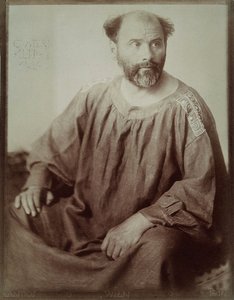
गुस्ताव क्लिम्ट
1862 - 1918 , ऑस्ट्रिया
संक्षिप्त जानकारी
- Artistic Movement Or Style: आर्ट नोव्यू, प्रतीकवाद
- Artists Or Movements Influenced By This Artist:
- एगन शिएले
- अभिव्यक्तिवाद
- Artists Who Influenced This Artist:
- हंस मकार्त
- जापानी कला
- Date Of Birth: 14 जुलाई 1862
- Date Of Death: 6 फरवरी 1918
- Full Name: गुस्ताव क्लिमिट
- Nationality: ऑस्ट्रियाई
- Notable Artworks:
- द किस
- पोर्ट्रेट ऑफ़ एडेल
- Place Of Birth: बाउमगार्टन, ऑस्ट्रिया
संबंधित लेखों की सूची

Gustav Klimt: A Golden Legacy of Sensuality & Symbolism in Viennese Art
Explore the captivating world of Gustav Klimt with AllPaintingsStore. Discover his iconic paintings, the Vienna Secession movement, & enduring legacy. High-quality reproductions available.

प्रतीकवाद की उत्कृष्ट कृतियाँ: शीर्ष 10 कलाकृतियाँ जो युग को परिभाषित करती हैं | AllPaintingsStore
प्रतीकवाद की दुनिया में कदम रखें! शीर्ष 10 उत्कृष्ट कलाकृतियाँ जो इस रहस्यमय कला आंदोलन को परिभाषित करती हैं। कलाकारों, तकनीकों और कालातीत सौंदर्य का अन्वेषण करें। AllPaintingsStore.com पर संग्रहालय-गुणवत्ता वाले आर्ट रिप्रोडक्शन और सजावट के विचार खोजें।
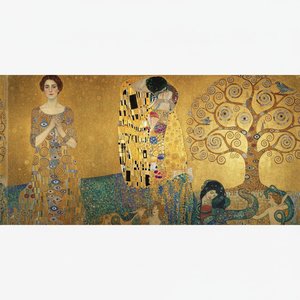
गुस्ताव क्लिम्ट की शीर्ष 25 उत्कृष्ट कृतियाँ: कला और सजावट का संगम
गुस्ताव क्लिम्ट की शीर्ष 25 कलाकृतियों में खो जाएं! आर्ट नोव्यू, सुनहरा काल और प्रेम से भरी पेंटिंग का अनुभव करें। उच्च गुणवत्ता वाले कला प्रिंट और सजावट के विचार AllPaintingsStore.com पर खोजें।

The Vienna Secession: A Golden Revolution of Modernism and the Legacy of Gustav Klimt
Explore the profound impact of the Vienna Secession movement. Discover how visionaries like Gustav Klimt revolutionized modern art through symbolism, gold leaf, and the concept of Gesamtkunstwerk in this expert-led historical guide.

कला का स्वर्ग: आर्ट नोव्यू को परिभाषित करने वाले शीर्ष 10 उत्कृष्ट कृतियाँ | AllPaintingsStore
आर्ट नोव्यू के शीर्ष 10 उत्कृष्ट कृतियाँ जानें! मुचा, क्लिम्ट और अन्य महान कलाकारों की दुनिया में कदम रखें। AllPaintingsStore.com पर कला इतिहास और प्रेरणादायक सजावट खोजें। अब संग्रह देखें!


