- होमपेज

- ऑयल पेंटिंग रिप्रोडक्शन
- जेम्स मैकनील व्हिस्लर
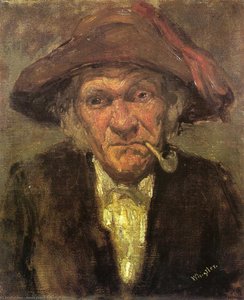
- The Master Smith of Lyme Regis

 प्रिंट खरीदें छवि खरीदें
 साझा करें
 साझा करें
 विस्तृत विवरण
 पसंदीदा में जोड़ें

 डाउनलोड करें
 समान कलाकृतियाँ
 एक्स-रे
 स्लाइड शो देखें
The Master Smith of Lyme Regis


 पूरा देखें
हाथ से बनी ऑयल रिप्रोडक्शन
आपके आकार और फ्रेम के अनुसार कैनवास पर हाथ से बनी ऑयल पेंटिंग, हमारे कलाकारों द्वारा विशेष रूप से ऑर्डर पर तैयार।




































कलाकृति के मूल अनुपात से मेल खाने वाले हमारे पूर्व निर्धारित आकारों में से चुनें।

आप किसी विशिष्ट फ्रेम या स्थान के अनुसार अपने स्वयं के आयाम (dimensions) दर्ज कर सकते हैं। यदि आपके द्वारा चुना गया आकार मूल छवि के अनुपात से मेल नहीं खाता है, तो हम कलाकृति को क्रॉप करेंगे या पेंटिंग में अतिरिक्त हाथ से चित्रित तत्व जोड़कर उसका विस्तार करेंगे। उत्पादन शुरू होने से पहले आपकी स्वीकृति के लिए एक डिजिटल मॉकअप भेजा जाएगा।
कृपया ध्यान दें कि स्क्रीन पर दिखने वाला पूर्वावलोकन वास्तविक क्रॉपिंग या विस्तार को नहीं दर्शाता है। केवल मॉकअप ही अंतिम रचना को सटीक रूप से दिखाएगा।
यद्यपि कस्टम आकार उपलब्ध हैं, फिर भी हम मूल अनुपात बनाए रखने के लिए पूर्व-निर्धारित सूची से आयाम चुनने की सलाह देते हैं।
ऑर्डर देने के बाद, AllPaintingsStore.com टीम निर्देशों के लिए क्लाइंट को ईमेल करेगी और एक मॉकअप प्रीव्यू प्रदान करेगी
विश्वव्यापी वितरण () मानक 5 सप्ताह के बजाय मात्र 3/4 सप्ताह में। (16 जुलाई)। गुणवत्ता से कोई समझौता नहीं।

दुनिया भर में मुफ़्त एक्सप्रेस शिपिंग

उच्च गुणवत्ता वाला लिनेन कैनवास

पूर्ण शिपिंग बीमा

सीमा शुल्क और आयात कर वापसी की गारंटी

सटीक रंग मिलान की गारंटी

60-दिन की वापसी नीति (केवल दोषों के लिए)

100% पैसे वापसी की गारंटी

थोक छूट का लाभ
 ग्लास का विकल्प केवल 110 सेमी से कम आकार में ही उपलब्ध है।

The Master Smith of Lyme Regis
प्रतिकृति की विधि
प्रतिकृति का आकार
-


कुल देय राशि
-
कलाकृति का विवरण
A Portrait of Craftsmanship: Unpacking Whistler’s “The Master Smith of Lyme Regis”
James Abbott McNeill Whistler's "The Master Smith of Lyme Regis" transcends mere representation; it embodies the ethos of Aestheticism—a movement that prioritized beauty and sensory experience above didactic moral instruction. Completed in 1895, this oil on canvas resides within the prestigious Museum of Fine Arts in Boston, securing its place as a cornerstone of Whistler’s oeuvre and a pivotal moment in late Victorian art history. The painting immediately captivates with its deliberate stillness, contrasting sharply with the dynamism characteristic of Impressionism, which was gaining considerable traction at the time. Whistler eschewed narrative complexity, opting instead for an intensely focused portrayal of a single figure—a craftsman diligently examining a specimen of stone—creating a visual meditation on skill and observation.Subject Matter and Composition: Precision Amidst Quietude
The central subject is presented with remarkable detail – a man dressed in formal attire, meticulously observing a piece of limestone. Whistler’s compositional choices are equally considered; the figure dominates the canvas, positioned centrally against a muted backdrop that serves to heighten his importance. The artist skillfully employs chiaroscuro—the dramatic interplay between light and shadow—to sculpt the subject's form and imbue it with palpable presence. This technique isn’t merely decorative; it underscores Whistler’s belief in capturing the essence of reality through tonal gradation, mirroring the principles championed by Eugène Delacroix and other Romantic painters before him. The inclusion of a small table upon which rests the stone amplifies this sense of focused contemplation, inviting viewers to share in the craftsman's meticulous scrutiny.Whistlerian Style: Texture and Impressionistic Echoes
Whistler’s artistic style is undeniably rooted in Impressionism, yet he distinguishes himself through a deliberate rejection of its fleeting effects. While acknowledging the influence of Monet and Renoir—particularly evident in his earlier works like “The Little Rose of Lyme Regis”—he prioritizes textural richness and tonal subtlety. Visible brushstrokes contribute to this effect, conveying a sense of immediacy without sacrificing compositional control. Whistler’s masterful manipulation of pigment creates an illusion of depth and luminescence, capturing the subtle nuances of light reflecting off the stone surface. This careful layering of color—a hallmark of Whistler's technique—is reminiscent of Rembrandt’s chiaroscuro paintings, demonstrating Whistler’s profound understanding of artistic tradition.Historical Context: Aestheticism and Victorian Values
“The Master Smith of Lyme Regis” emerged during a period defined by anxieties surrounding industrialization and societal upheaval. However, Whistler actively resisted the prevailing trend toward sentimental storytelling, aligning himself with the Aesthetic Movement—a reaction against Victorian moralizing art. Artists like Whistler sought to liberate art from didactic obligations, arguing that its primary purpose was to stimulate aesthetic contemplation rather than convey moral lessons. This painting reflects Whistler’s conviction that beauty itself possessed intrinsic value, independent of any narrative or ideological framework. It speaks to a broader cultural preoccupation with craftsmanship and intellectual pursuits—values considered paramount in Victorian society.Symbolism and Emotional Resonance: Beyond Surface Appearance
Despite its apparent simplicity, “The Master Smith of Lyme Regis” is laden with symbolic significance. The craftsman represents diligence, precision, and an unwavering dedication to one’s craft – virtues prized during the Victorian era. Furthermore, the stone symbolizes permanence and stability—a counterpoint to the turbulent social landscape of the time. Whistler's deliberate restraint in color contributes to the painting’s emotional impact; the muted palette fosters a mood of quiet contemplation and invites viewers to engage with the subject on an intellectual level. Ultimately, “The Master Smith of Lyme Regis” serves as a poignant reminder that art can transcend mere visual spectacle, offering profound insights into human character and cultural values.संबद्ध कलाकृतियाँ


कलाकार का जीवन परिचय
जेम्स एबॉट मैकनील व्हिस्लर: सौंदर्यशास्त्र के प्रति समर्पित एक जीवन
जेम्स एबॉट मैकनील व्हिस्लर, जिनका जन्म 1834 में लोवेल, मैसाचुसेट्स में हुआ था, कला जगत के एक ऐसे व्यक्तित्व थे जो परंपराओं से जूझते रहे। उन्होंने एक ऐसे युग में "कला के लिए कला" के सिद्धांत का समर्थन किया जब समाज नैतिक कथाओं पर अधिक ध्यान केंद्रित करता था। उनके शुरुआती जीवन, जो बार-बार स्थानांतरणों से चिह्नित था क्योंकि उनके पिता एक रेल इंजीनियर थे, ने उनमें अनुकूलनशीलता की भावना पैदा की और उन्हें विविध वातावरणों से परिचित कराया। वेस्ट पॉइंट में संक्षिप्त, अप्रिय कार्यकाल के बाद, उन्होंने अमेरिकी तट सर्वेक्षण में काम किया, लेकिन उनकी कला के प्रति जुनून कम नहीं हुआ। इन शुरुआती वर्षों में ड्राइंग के लिए एक स्वाभाविक प्रतिभा और एक पेशेवर कलाकार बनने का दृढ़ संकल्प था, जो अंततः उन्हें अटलांटिक पार ले गया और यूरोपीय अग्रगामी के दिल में स्थापित कर दिया। व्हिस्लर की कलात्मक विद्रोह के बीज जल्दी बोए गए थे, सौंदर्य अन्वेषण को सभी चीज़ों से ऊपर रखते हुए एक भावना द्वारा पोषित किया गया था।पेरिसियन शुरुआत और शैली का पोषण
व्हिस्लर की कलात्मक यात्रा का निर्णायक क्षण 1855 में पेरिस जाने पर आया। यहाँ, सेबेस्टियन बोउर के मार्गदर्शन में, उन्होंने तेल चित्रकला, जल रंग और प्रिंटमेकिंग कौशल को निखाराया, फ्रांसीसी यथार्थवाद और बारबाइजॉन स्कूल के चित्रकारों के प्रभावों को आत्मसात किया। हालाँकि, व्हिस्लर जल्द ही साधारण नकल से आगे निकल गए, एक विशिष्ट शैली विकसित की जो टोनल सामंजस्य और वायुमंडलीय प्रभावों द्वारा चिह्नित थी। उनका उद्देश्य वास्तविकता का पुनरुत्पादन करना नहीं था; बल्कि, उन्होंने इसके *सार* को पकड़ने की मांग की - इसके क्षणिक मनोदशाएँ और सूक्ष्म बारीकियां। इस अवधि ने प्रतिनिधित्व संबंधी सटीकता से शुद्ध सौंदर्य रूप के अन्वेषण की ओर एक महत्वपूर्ण बदलाव को चिह्नित किया। उनके शुरुआती कार्यों में पहले से ही नाजुक संतुलन का संकेत मिलता है जो उनके परिपक्व शैली को परिभाषित करेगा। यहीं पर व्हिस्लर ने यह विश्वास व्यक्त करना शुरू कर दिया कि कला को केवल उसकी सौंदर्य गुणों के आधार पर आंका जाना चाहिए, चाहे वह कोई भी उपदेशात्मक या नैतिक बाधाएँ न हों - एक दर्शन जो उनकी कलात्मक प्रथा का आधार बन जाएगा और सौंदर्यवादी आंदोलन की एक परिभाषित विशेषता होगी।नोक्टर्न्स, चित्र और सामंजस्य की खोज
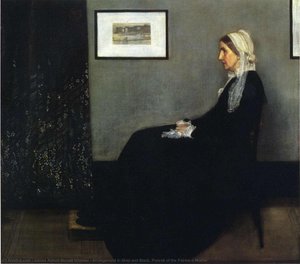
व्हिस्लर की कलात्मक दृष्टि कई प्रमुख विषयों और शैलीगत विकल्पों में क्रिस्टलीकृत हुई। उन्होंने "कला के लिए कला" के सिद्धांत का समर्थन किया, नैतिक या सामाजिक टिप्पणी से भारित कथाओं को अस्वीकार कर दिया। उनका काम प्रकाश, रंग और वातावरण के सूक्ष्म बारीकियों को पकड़ने का एक अभ्यास बन गया - एक ऐसा प्रयास जिसने उनके प्रतिष्ठित *नोक्टर्न्स* को जन्म दिया। ये वायुमंडलीय चित्र, अक्सर रात में टेम्स नदी को दर्शाते हुए, शाब्दिक चित्रण होने के बजाय, टोनल सामंजस्य और मनोदशा के उत्तेजक छाप थे। उन्होंने अक्सर सीमित पैलेट और नाजुक ब्रशवर्क का उपयोग किया, जिससे ईथर सुंदरता और शांत चिंतन की भावना पैदा हुई। चित्र भी उनकी प्रथा में एक केंद्रीय स्थान रखते हैं, हालाँकि उन्होंने उनका सामना एक अनूठी संवेदनशीलता से किया। व्हिस्लर सही समानता को पकड़ने के बारे में चिंतित नहीं थे; इसके बजाय, उन्होंने औपचारिक व्यवस्थाओं और टोनल संबंधों पर ध्यान केंद्रित किया, अपने बैठे लोगों को सावधानीपूर्वक निर्मित सौंदर्य ढांचे के भीतर रचना तत्वों के रूप में मानते हुए। *व्यवस्था ग्रे और ब्लैक नंबर 1* - जिसे आमतौर पर *व्हिस्लर की माँ* के नाम से जाना जाता है - यह दृष्टिकोण पूरी तरह से प्रदर्शित करता है, जो एक पारिवारिक चित्र को फॉर्म और टोन के कुशल उपयोग के माध्यम से विक्टोरियन मातृत्व की एक प्रतिष्ठित छवि में बदल देता है।विवाद, प्रभाव और स्थायी विरासत
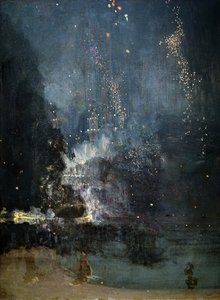
व्हिस्लर का करियर विवादों से रहित नहीं था। 1878 में कला आलोचक जॉन रस्किन द्वारा उन पर दायर मानहानि का मुकदमा कला के इतिहास के एक महत्वपूर्ण क्षण बन गया, जो *नोक्टर्न इन ब्लैक एंड गोल्ड - द फॉलिंग रॉकेट* से प्रेरित था। व्हिस्लर ने सफलतापूर्वक अपनी कलात्मक स्वायत्तता का बचाव किया, तर्क दिया कि उनके चित्रों का उद्देश्य यथार्थवादी प्रतिनिधित्व नहीं बल्कि रंग और रूप की सौंदर्य व्यवस्थाएँ थीं। इस मामले ने उनकी प्रोफाइल को बढ़ाया और कला आलोचना के स्वभाव और कलात्मक स्वतंत्रता पर महत्वपूर्ण बहस छेड़ दी। इस कानूनी लड़ाई से परे, व्हिस्लर का प्रभाव दूर-दूर तक फैला हुआ था। वे जापानी प्रिंट (उकियो-ए) से गहराई से प्रेरित थे, जिसने उनके रचना सिद्धांतों और सजावटी पैटर्न पर जोर दिया, साथ ही वेलज़क्वेज़ जैसे स्पेनिश चित्रकारों के टोनल महारत भी थी। "कला के लिए कला" की वकालत ने इंग्लैंड और अमेरिका में सौंदर्यवादी आंदोलन को गहरा प्रभावित किया, आधुनिकता के लिए मार्ग प्रशस्त किया और कलात्मक उद्देश्य के पारंपरिक विचारों को चुनौती दी। उन्होंने अमेरिकी कला पर एक अमिट छाप छोड़ी, कलाकारों की पीढ़ियों को औपचारिक दृष्टिकोण अपनाने और रंग और रचना की अभिव्यंजक क्षमता का पता लगाने के लिए प्रेरित किया।- प्रमुख कार्य: *द फोर्ज* (1861), *चार्ल्स लैंग फ्रीर का चित्र* (1873), *ब्राउन एंड गोल्ड: द गोल्ड गर्ल - कॉनी गिलक्रिस्ट* (1876-77), *व्यवस्था ग्रे और ब्लैक नंबर 1 (व्हिस्लर की माँ)* (1871), *नोक्टर्न इन ब्लैक एंड गोल्ड - द फॉलिंग रॉकेट* (1875)।
- प्रभाव: जापानी प्रिंट, वेलज़क्वेज़।
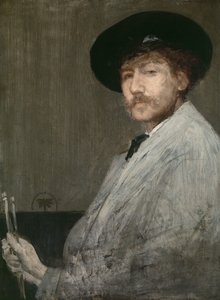
जेम्स मैकनील व्हिस्लर
1834 - 1903 , संयुक्त राज्य अमेरिका
मुख्य तथ्य
- Artistic Movement Or Style: टोनलिज्म, सौंदर्यवाद
- Artists Or Movements Influenced By This Artist:
- सौंदर्यवादी आंदोलन
- आधुनिकतावाद
- Artists Who Influenced This Artist:
- वेलाज़क्वेज़
- जापानी प्रिंट
- Date Of Birth: 10 जुलाई 1834
- Full Name: जेम्स एबॉट मैकनील व्हिसलर
- Nationality: अमेरिकी
- Notable Artworks:
- व्हिसलर का माँ
- नोक्टर्न: नीला और चाँदी
- द फोर्ज
- Place Of Birth (City And Country): लोवेल, यूएसए
संबंधित लेख
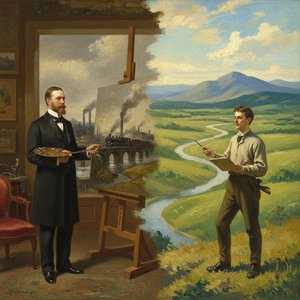
Alfred Worthington: Bridging Victorian Realism & Early Modern Landscape Painting
Explore the captivating landscapes of Alfred Worthington (1834-1927), a pivotal figure bridging Victorian realism & early Impressionism. Discover his Welsh hunting scenes, artistic evolution, and collecting guide.
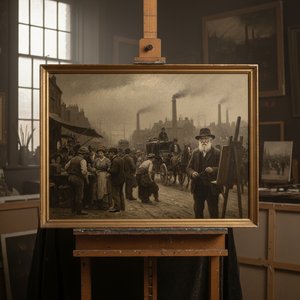
Walter Greaves: A Study in Victorian Realism & the Social Landscape of British Art
Explore the life & work of Walter Greaves, a key Victorian realist painter influenced by Whistler. Discover his London streetscapes, portraits, and enduring legacy. Learn about art appraisal & reproduction options at AllPaintingsStore.

Frederick Morgan: A Study in Aestheticism & Victorian Beauty
Explore the captivating world of Frederick Morgan, a key figure in Victorian Aestheticism. Discover his beautiful paintings, recurring themes, and lasting legacy with our expert analysis. Learn more today!

James Sant: Capturing Victorian Childhood & the Evolving Landscape of British Genre Painting
Explore the life & art of James Sant (1820-1916), renowned Victorian portraitist to Queen Victoria. Discover his captivating depictions of childhood, landscapes, and aristocratic society. Learn about his legacy & find fine art reproductions.

The Digital Portrait Renaissance: Transforming Personal Photography into Timeless Oil Paintings Through Artistic Reproduction
Transform your cherished photos into timeless oil paintings with AllPaintingsStore's expert artists. Museum-quality reproductions & custom portraits, crafted to last a lifetime. Discover the art of personal legacy.