


 पूर्वावलोकन देखें
 भेजें
भेजें साझा करें
 विवरण देखें
 मार्गदर्शिका

 डाउनलोड करें
 समान वस्तुएं
 एक्स-रे
 स्लाइड शो देखें
 Q&A
Q&A आंकड़े
La Mangeuse d' huitres


 और पढ़ें
गिक्ली / आर्ट प्रिंट
तेज़ उत्पादन और विभिन्न फिनिश विकल्पों के साथ म्यूजियम-क्वालिटी गिकली (giclée) या कैनवस प्रिंट। ( हाथ से बनी पेंटिंग खरीदें डिजिटल इमेज पर जाएँ)




P118B ₹10

P118H ₹10

P118W ₹10

P438Z ₹10

P508JH ₹12

P508YH ₹12

P805H ₹10

P805Z ₹10

P919BZ ₹10

P919G ₹10

P919XJ ₹10

P959ZH ₹10

P968JZ ₹12

W106C ₹8

W218G ₹10

W218JH ₹8

W218Y ₹10

W307PJ ₹10

W316G ₹10

W316PJ ₹8

W316Y ₹10

W398PJ ₹8

W4111J ₹10

W500HY ₹15

W500JH ₹15

W692G ₹12

W849H ₹8

W940BG ₹15

W953PJ ₹8




कलाकृति के मूल अनुपात से मेल खाने वाले हमारे पूर्व निर्धारित आकारों में से चुनें।

अपने फ्रेम या अपनी दीवार के अनुसार आवश्यक चौड़ाई और ऊंचाई दर्ज करें। प्रिंट को केवल काटा जा सकता है, चित्र से बड़ा कभी नहीं बनाया जा सकता, इसलिए अलग आकार का साइज चित्र का एक हिस्सा खो देता है। किसी भी चीज़ को प्रिंट करने से पहले हम आपकी स्वीकृति के लिए आपको एक डिजिटल मॉकअप भेजते हैं। इस पृष्ठ पर दिखाया गया चित्र वास्तविक कटिंग नहीं दिखाता है — केवल मॉकअप ही इसे दर्शाता है।
विश्वव्यापी डिलीवरी (), मानक 4/5 सप्ताह के बजाय मात्र 2 सप्ताह में। (31 अक्टूबर)

दुनिया भर में मुफ़्त एक्सप्रेस शिपिंग

प्रीमियम ग्रेड लिनेन कैनवास

पूर्ण शिपिंग बीमा

सीमा शुल्क और आयात कर वापसी की गारंटी

सटीक रंग मिलान की गारंटी

100 दिनों की वापसी नीति (केवल निर्माण दोष होने पर)

100% पैसे वापसी की गारंटी

थोक छूट का अवसर
 ग्लास का विकल्प केवल 110 सेमी से कम आकार में ही उपलब्ध है।

La Mangeuse d' huitres
गिक्ली / आर्ट प्रिंट
प्रतिकृति का आकार
-


कुल मूल्य
₹ 6166
La Mangeuse d' Huitres: A Glimpse into James Ensor’s Unsettling World
James Ensor’s *La Mangeuse d’Huitres* (The Oyster Eater), painted around 1888, is not merely a depiction of a woman enjoying her meal; it’s a carefully constructed tableau brimming with psychological tension and social commentary—a quintessential example of the artist's unique and profoundly unsettling vision. The painting immediately draws the viewer in with its vibrant, almost jarring palette: deep reds, blues, and yellows clash dramatically against the muted tones of the dining table and background. This deliberate discord reflects Ensor’s broader artistic philosophy – a rejection of academic realism in favor of expressing raw emotion and challenging conventional perceptions. The subject herself, seated at a richly appointed but slightly decaying table, is rendered with an unsettling ambiguity. Her expression is difficult to decipher; is she truly enjoying her meal, or does a subtle hint of unease flicker beneath the surface? This deliberate vagueness is key to understanding Ensor’s work – he rarely offers easy answers, preferring instead to provoke contemplation and discomfort. The presence of scattered books suggests an intellectual pursuit, yet their disarray hints at a mind struggling with conflicting ideas.A Masterclass in Symbolism and Masked Reality
Ensor's fascination with masks is central to interpreting *La Mangeuse d’Huitres*. The oyster shells scattered across the table are not simply decorative elements; they function as visual metaphors for concealment, deception, and the hidden aspects of human nature. His childhood spent amidst the exotic wares of his parents’ souvenir shop in Ostend, filled with carnival masks and peculiar objects, undoubtedly fueled this obsession. These masks weren't just theatrical props; they represented a way to escape identity, to embody different roles, and to explore the darker corners of the psyche. The woman herself could be seen as wearing a mask – a carefully constructed facade designed to conceal her true feelings or intentions. Furthermore, the background figure, partially obscured by the main scene, adds another layer of mystery and suggests an unseen presence, perhaps representing societal judgment or the weight of expectation.The Expressionist Roots of a Troubled Vision
*La Mangeuse d’Huitres* firmly places Ensor within the burgeoning movement of Expressionism, predating its formal recognition by decades. His use of distorted forms, exaggerated colors, and emotionally charged imagery anticipates the key tenets of this artistic approach. Unlike traditional portraiture which aimed to capture a likeness, Ensor prioritized conveying an internal state – a sense of anxiety, alienation, and perhaps even madness. The painting’s composition is deliberately claustrophobic, drawing the viewer into the confined space of the dining room and intensifying the feeling of unease. The brushwork itself is loose and expressive, contributing to the overall sense of dynamism and unrest. It's a deliberate departure from the smooth, polished surfaces favored by academic painters of the time.Historical Context and Lasting Influence
Painted during a period of significant social and political upheaval in Europe – the late 19th century – *La Mangeuse d’Huitres* can be interpreted as a commentary on Victorian society's rigid conventions and its hypocrisy. Ensor, a fiercely independent artist who often challenged societal norms with his provocative work, used his art to expose the darker side of human existence. His rejection of academic tradition and his embrace of unconventional subject matter made him a controversial figure during his lifetime, but today he is recognized as one of the most important and influential artists of the 20th century. Reproductions of *La Mangeuse d’Huitres* continue to resonate with viewers because they tap into universal themes of identity, deception, and the complexities of human relationships – a testament to Ensor's enduring artistic vision. AllPaintingsStore offers exceptional hand-painted reproductions that capture the full intensity and unsettling beauty of this remarkable masterpiece.प्रश्न और उत्तर
मुझे जेम्स एन्सर द्वारा "La Mangeuse d' huitres" के बारे में आंकड़े कहाँ मिल सकते हैं?
"La Mangeuse d' huitres" के लिए एक आंकड़े पेज उपलब्ध है। यह देश और भाषा के विवरण के साथ, इस कलाकृति और कलाकार की अन्य कृतियों की मासिक यात्राओं का चार्ट प्रस्तुत करता है।
"La Mangeuse d' huitres" की Expressionism & Surrealism शैली के साथ कौन सा भावनात्मक स्वर जुड़ा है?
"La Mangeuse d' huitres" की Mysterious भावना इसकी Expressionism & Surrealism शैली के साथ समाहित है।
क्या जेम्स एन्सर द्वारा "La Mangeuse d' huitres" एक उज्ज्वल कलाकृति है या गहरे रंगों वाली?
दृश्यमान चमक के संदर्भ में, जेम्स एन्सर द्वारा "La Mangeuse d' huitres" bright है।
समान कलाकृतियाँ


कलाकार का परिचय
James Ensor: A Visionary of Disquiet
James Sidney Edouard, Baron Ensor (Ostend, 13 April 1860 – November 19, 1949) был бельгийским художником и гравёром, оказавшим значительное влияние на экспрессионизм и сюрреализм. Он был членом художественной группы Les XX.
Early Influences and Artistic Training
James Ensor’s father, James Frederic Ensor, родился в Брюсселе у английских родителей и был образованным человеком, изучавшим инженерию в Англии и Германии. Его мать, Мария Катерина Хаэгеман, была бельгийкой. Сам Энсор не проявлял интереса к академическому изучению и оставил школу в возрасте пятнадцати лет, чтобы начать своё художественное обучение с двух местных художников. Он посещал Академию Королевскую Бельгии в Брюсселе вместе со своим одноклассником Фернандом Хнопфом.
The Birth of Expressionism: Bold Experimentation
Энсор быстро отказался от традиционного подхода к живописи и начал разрабатывать революционный стиль, который отражал его собственное видение мира. Он особенно был очарован карнавальской культурой организованной вокруг праздника Мартра каждый год в Бельгии, что несомненно было вызвано тем, что семья Энсора в Остенде была главным поставщиком карнавальной атрибутики. Формальный метод живописи Энсора отличался от традиционных методов и был предназначен для выражения его личной позиции. Он отвергал французский импрессионизм и символизм и использовал экспрессивные средства света, линии и цвета.
Iconic Paintings and Recurring Themes
Энсор создал серию работ, которые продолжают поражать и восхищать публику сегодня. Картина «Христос входит в Брюссель» (1888–89) является одним из самых известных произведений Энсора и представляет собой сатиру религиозной неискренности и социальной безразличия. Этот тревожный образ Христа, входящего в город, наполненный гротескными масками и фигурами, является мощным комментарием о разрыве между духовными идеалами и человеческим поведением. Картина «Скелеты сражаются за повешенного человека» (1891) исследует темы смерти, разложения и абсурда жизни.
Legacy and Recognition
Несмотря на первоначальное сопротивление Энсора его художественное наследие остается свидетельством силы искусства для столкновения с неудобными истинами и исследования глубины человеческого состояния. Он является одним из ключевых фигур в переходном периоде от XIX века к началу XX века — настоящим пионером современного искусства.
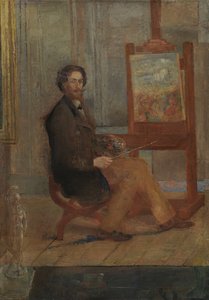
जेम्स एन्सर
1860 - 1949 , बेल्जियम
संक्षिप्त जानकारी
- Artistic Movement Or Style: अभिव्यक्तिवाद और अतिवास्तववाद
- Artists Who Influenced This Artist:
- पीटर पॉल रुबेन्स
- फ्रांसिस्को गोया
- विथ्सलर
- Date Of Birth: अप्रैल 13, 1860
- Date Of Death: नवंबर 19, 1949
- Full Name: James Sidney Edouard Ensor
- Nationality: बेल्जियम
- Notable Artworks:
- क्राइस्ट का ब्रुसेल्स में प्रवेश
- संकेतित मुखौटे
- सेंट एंथोनी के दुखों का चित्रण
- Place Of Birth: ओस्टेंड, बेल्जियम
संबंधित लेखों की सूची
जेम्स एबॉट मैकनील व्हिस्लर की 25 उत्कृष्ट कलाकृतियाँ: सौंदर्य और इतिहास का संगम
जेम्स एबॉट मैकनील व्हिस्लर की 25 सर्वश्रेष्ठ कलाकृतियों का अन्वेषण करें। सौंदर्यवादी आंदोलन, रात्रि दृश्य और पोर्ट्रेट से लेकर, प्रत्येक पेंटिंग एक कहानी कहती है। उच्च गुणवत्ता वाले कला पुनरुत्पादन के लिए AllPaintingsStore.com पर खोजें।
Unveiling the Mystery: A Journey Through the World's Most Iconic Mask Artworks
Embark on a profound journey through the world's most iconic mask artworks. Explore the spiritual depth, intricate craftsmanship, and rich cultural heritage of global traditions, from Chhau to Gomira, in this expert-led exploration of ancestral artistry and symbolic beauty.
Sir Alfred Munnings' Masterpieces: 25 Paintings That Define Equine Art | AllPaintingsStore
Explore 25 iconic Sir Alfred Munnings paintings! Discover the beauty of British Impressionism, equine art & rural England. Find museum-quality reproductions and elevate your home decor with AllPaintingsStore. Explore the full collection online.

James Ensor's Grotesque Visions: Social Commentary & Artistic Innovation
Explore the unsettling yet captivating world of James Ensor, a pioneer of Expressionism. Discover his satirical masterpieces, symbolic imagery & lasting influence on modern art. High-quality reproductions available at AllPaintingsStore.

Surrealist Expressionism: A Definitive Guide to the Intersection of Dream Logic and Raw Emotion
Explore the profound history of Surrealist Expressionism. Discover how artists blended dream logic with raw emotion to navigate post-war trauma through masterful, evocative imagery and psychological depth.


