


 पूर्वावलोकन देखें
 साझा करें
 साझा करें
 विस्तृत विवरण

 डाउनलोड करें
 समान कलाकृतियाँ
 एक्स-रे
 स्लाइड शो देखें
Le jardin de Rousseau

 पूरा देखें
गिक्ली / आर्ट प्रिंट
तेज़ उत्पादन और विभिन्न फिनिश विकल्पों के साथ म्यूजियम-क्वालिटी गिकली (giclée) या कैनवस प्रिंट। ( हाथ से बनी पेंटिंग खरीदें छवि खरीदें)




P118B $10

P118H $10

P118W $10

P438Z $10

P508JH $12

P508YH $12

P805H $10

P805Z $10

P919BZ $10

P919G $10

P919XJ $10

P959ZH $10

P968JZ $12

W106C $8

W218G $10

W218JH $8

W218Y $10

W307PJ $10

W316G $10

W316PJ $8

W316Y $10

W398PJ $8

W4111J $10

W500HY $15

W500JH $15

W692G $12

W849H $8

W940BG $15

W953PJ $8




कलाकृति के मूल अनुपात से मेल खाने वाले हमारे पूर्व निर्धारित आकारों में से चुनें।

आप किसी विशिष्ट फ्रेम या स्थान के अनुसार अपने स्वयं के आयाम (dimensions) दर्ज कर सकते हैं। यदि आपके द्वारा चुना गया आकार मूल छवि के अनुपात से मेल नहीं खाता है, तो हम कलाकृति को क्रॉप कर देंगे या मिरर किए गए या सॉलिड-फिल किनारे के साथ छवि का विस्तार करेंगे। उत्पादन शुरू होने से पहले आपकी स्वीकृति के लिए एक डिजिटल मॉकअप भेजा जाएगा।
कृपया ध्यान दें कि स्क्रीन पर दिखने वाला प्रीव्यू वास्तविक क्रॉपिंग या विस्तार को नहीं दर्शाता है। केवल मॉकअप ही अंतिम संरचना को सटीक रूप से दिखाएगा।
हालाँकि कस्टम आकार उपलब्ध हैं, फिर भी हम मूल अनुपात बनाए रखने के लिए पूर्व-निर्धारित सूची में से एक आयाम चुनने की सलाह देते हैं।
विश्वव्यापी डिलीवरी (), मानक 4/5 सप्ताह के बजाय मात्र 2 सप्ताह में। (23 अगस्त)

दुनिया भर में मुफ़्त एक्सप्रेस शिपिंग

उच्च गुणवत्ता वाला लिनेन कैनवास

पूर्ण शिपिंग बीमा

सीमा शुल्क और आयात कर वापसी की गारंटी

सटीक रंग मिलान की गारंटी

60-दिन की वापसी नीति (केवल दोषों के लिए)

100% पैसे वापसी की गारंटी

थोक छूट का लाभ
 ग्लास का विकल्प केवल 110 सेमी से कम आकार में ही उपलब्ध है।

Le jardin de Rousseau
गिक्ली / आर्ट प्रिंट
प्रतिकृति का आकार
-


कुल देय राशि
$ 64
संग्रहणीय वस्तु का विवरण
James Ensor’s “Le Jardin de Rousseau”: A Window into the Artist's Psyche
James Ensor’s “Le Jardin de Rousseau,” painted in 1885, isn’t merely a depiction of a pleasant garden scene; it’s a carefully constructed exploration of isolation, social observation, and the artist’s own complex inner world. Born in Ostend, Belgium, to an English father and a Belgian mother – a lineage that profoundly shaped his artistic identity – Ensor spent much of his life immersed in the vibrant, often unsettling atmosphere of coastal resorts. This experience, coupled with his early exposure to carnival masks and curiosities within his parents’ souvenir shop, instilled in him a fascination with disguise, performance, and the hidden layers beneath everyday appearances—themes that would become central to his oeuvre.
The painting itself presents a serene yet subtly unnerving tableau. A wagon or carriage sits prominently before a mature tree, suggesting a leisurely outing or perhaps a clandestine rendezvous. Two figures are visible: one standing slightly off-center on the left, and another closer to the center, their identities deliberately obscured, contributing to the overall sense of detachment. A bicycle hints at the burgeoning modernity encroaching upon this idyllic setting, while clouds drift across the daytime sky, adding a touch of melancholy to the scene. The composition is carefully balanced, yet there’s an underlying tension—a feeling that something unspoken hangs in the air.
The Influence of Henri Rousseau and the Naïve Style
“Le Jardin de Rousseau” reveals Ensor's engagement with the burgeoning artistic movement known as “Naïve Art,” largely influenced by artists like Henri Rousseau. While Ensor’s work is more complex and psychologically driven than Rousseau’s often fantastical jungle scenes, both shared a rejection of academic conventions and a focus on direct observation and emotional expression. Rousseau's influence can be seen in Ensor’s bold use of color—a vibrant palette that feels slightly heightened—and his somewhat simplified forms. However, unlike Rousseau’s dreamlike landscapes, Ensor imbues his garden with a distinctly European sensibility, capturing the social dynamics and subtle anxieties of his time.
Ensor's technique is characterized by broken brushstrokes and a deliberate lack of detail. He doesn’t attempt to render the scene with photographic accuracy; instead, he prioritizes conveying mood and atmosphere. The trees are rendered with thick, expressive strokes, while the grass appears almost aggressively green. This approach reflects Ensor’s interest in capturing not just what he *saw*, but how he *felt* about what he saw—a key element of Expressionism that would later define his work.
Symbolic Layers and Psychological Depth
Beyond its surface appearance, “Le Jardin de Rousseau” is rich with symbolic meaning. The isolated figures suggest a sense of alienation and social disconnect – a recurring theme in Ensor’s art. The wagon, a symbol of leisure and travel, could represent an escape from the constraints of society, or perhaps a yearning for connection that remains unfulfilled. The bicycle, a relatively new invention at the time, symbolizes progress and modernity, yet its presence within this tranquil setting creates a subtle dissonance.
Furthermore, the painting’s overall mood is tinged with melancholy. The cloudy sky, the obscured figures, and the slightly unsettling composition all contribute to a sense of quiet sadness—a reflection of Ensor's own complex emotional life. The garden itself can be interpreted as a metaphor for the human psyche: beautiful on the surface, but harboring hidden depths and unresolved tensions.
A Reproduction Worth Cherishing
AllPaintingsStore offers meticulously hand-painted reproductions of James Ensor’s “Le Jardin de Rousseau,” capturing the artist's unique style and emotional intensity with remarkable fidelity. Each reproduction is created by skilled artisans using traditional techniques, ensuring that every brushstroke and color nuance faithfully replicates the original painting. Whether you are an art collector, a design enthusiast, or simply someone seeking to bring a touch of artistic beauty into your home, a AllPaintingsStore reproduction of “Le Jardin de Rousseau” is a stunning addition to any collection—a window into the mind of one of Belgium’s most enigmatic and influential artists.
संबद्ध कलाकृतियाँ


कलाकार का जीवन परिचय
James Ensor: A Visionary of Disquiet
James Sidney Edouard, Baron Ensor (Ostend, 13 April 1860 – November 19, 1949) был бельгийским художником и гравёром, оказавшим значительное влияние на экспрессионизм и сюрреализм. Он был членом художественной группы Les XX.
Early Influences and Artistic Training
James Ensor’s father, James Frederic Ensor, родился в Брюсселе у английских родителей и был образованным человеком, изучавшим инженерию в Англии и Германии. Его мать, Мария Катерина Хаэгеман, была бельгийкой. Сам Энсор не проявлял интереса к академическому изучению и оставил школу в возрасте пятнадцати лет, чтобы начать своё художественное обучение с двух местных художников. Он посещал Академию Королевскую Бельгии в Брюсселе вместе со своим одноклассником Фернандом Хнопфом.
The Birth of Expressionism: Bold Experimentation
Энсор быстро отказался от традиционного подхода к живописи и начал разрабатывать революционный стиль, который отражал его собственное видение мира. Он особенно был очарован карнавальской культурой организованной вокруг праздника Мартра каждый год в Бельгии, что несомненно было вызвано тем, что семья Энсора в Остенде была главным поставщиком карнавальной атрибутики. Формальный метод живописи Энсора отличался от традиционных методов и был предназначен для выражения его личной позиции. Он отвергал французский импрессионизм и символизм и использовал экспрессивные средства света, линии и цвета.
Iconic Paintings and Recurring Themes
Энсор создал серию работ, которые продолжают поражать и восхищать публику сегодня. Картина «Христос входит в Брюссель» (1888–89) является одним из самых известных произведений Энсора и представляет собой сатиру религиозной неискренности и социальной безразличия. Этот тревожный образ Христа, входящего в город, наполненный гротескными масками и фигурами, является мощным комментарием о разрыве между духовными идеалами и человеческим поведением. Картина «Скелеты сражаются за повешенного человека» (1891) исследует темы смерти, разложения и абсурда жизни.
Legacy and Recognition
Несмотря на первоначальное сопротивление Энсора его художественное наследие остается свидетельством силы искусства для столкновения с неудобными истинами и исследования глубины человеческого состояния. Он является одним из ключевых фигур в переходном периоде от XIX века к началу XX века — настоящим пионером современного искусства.
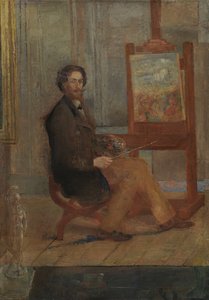
जेम्स एन्सर
1860 - 1949 , बेल्जियम
मुख्य तथ्य
- Artistic Movement Or Style: अभिव्यक्तिवाद और अतिवास्तववाद
- Artists Who Influenced This Artist:
- पीटर पॉल रुबेन्स
- फ्रांसिस्को गोया
- विथ्सलर
- Date Of Birth: अप्रैल 13, 1860
- Date Of Death: नवंबर 19, 1949
- Full Name: James Sidney Edouard Ensor
- Nationality: बेल्जियम
- Notable Artworks:
- क्राइस्ट का ब्रुसेल्स में प्रवेश
- संकेतित मुखौटे
- सेंट एंथोनी के दुखों का चित्रण
- Place Of Birth: ओस्टेंड, बेल्जियम
संबंधित लेख
Sir Alfred Munnings' Masterpieces: 25 Paintings That Define Equine Art | AllPaintingsStore
Explore 25 iconic Sir Alfred Munnings paintings! Discover the beauty of British Impressionism, equine art & rural England. Find museum-quality reproductions and elevate your home decor with AllPaintingsStore. Explore the full collection online.

Cultivating Paradise: A Historical & Artistic Exploration of Gardens in Painting
Explore the rich history of gardens in painting! Discover masterpieces from Renaissance to Impressionism & beyond. Learn about symbolism, artists like Monet & Klimt, and find your perfect artwork at AllPaintingsStore.
जेम्स एबॉट मैकनील व्हिस्लर की 25 उत्कृष्ट कलाकृतियाँ: सौंदर्य और इतिहास का संगम
जेम्स एबॉट मैकनील व्हिस्लर की 25 सर्वश्रेष्ठ कलाकृतियों का अन्वेषण करें। सौंदर्यवादी आंदोलन, रात्रि दृश्य और पोर्ट्रेट से लेकर, प्रत्येक पेंटिंग एक कहानी कहती है। उच्च गुणवत्ता वाले कला पुनरुत्पादन के लिए AllPaintingsStore.com पर खोजें।

James Ensor's Grotesque Visions: Social Commentary & Artistic Innovation
Explore the unsettling yet captivating world of James Ensor, a pioneer of Expressionism. Discover his satirical masterpieces, symbolic imagery & lasting influence on modern art. High-quality reproductions available at AllPaintingsStore.

रोमांटिक कला: 10 उत्कृष्ट लैंडस्केप कृतियाँ जो परिभाषित करती हैं | AllPaintingsStore
रोमांटिक लैंडस्केप पेंटिंग की 10 उत्कृष्ट कृतियाँ! जानें कैस्पर डेविड फ्रेडरिक, टर्नर जैसे कलाकारों के बारे में और कला के इतिहास को समझें। AllPaintingsStore.com पर उच्च गुणवत्ता वाले आर्ट रिप्रोडक्शन और सजावट के विचार खोजें।


