


 पूर्वावलोकन देखें
 भेजें
भेजें साझा करें
 विवरण देखें
 मार्गदर्शिका

 डाउनलोड करें
 समान वस्तुएं
 एक्स-रे
 स्लाइड शो देखें
 आंकड़े
Pride (sketch)

 और पढ़ें
हस्तनिर्मित ऑयल रिप्रोडक्शन
आपके आकार और फ्रेम के अनुसार कैनवास पर हाथ से बनी ऑयल पेंटिंग, हमारे कलाकारों द्वारा विशेष रूप से ऑर्डर पर तैयार। ( प्रिंट विकल्प पर जाएँ डिजिटल इमेज पर जाएँ)




P118B ₹10

P118H ₹10

P118W ₹10

P438Z ₹10

P508JH ₹12

P508YH ₹12

P805H ₹10

P805Z ₹10

P919BZ ₹10

P919G ₹10

P919XJ ₹10

P959ZH ₹10

P968JZ ₹12

W106C ₹8

W218G ₹10

W218JH ₹8

W218Y ₹10

W307PJ ₹10

W316G ₹10

W316PJ ₹8

W316Y ₹10

W398PJ ₹8

W4111J ₹10

W500HY ₹15

W500JH ₹15

W692G ₹12

W849H ₹8

W940BG ₹15

W953PJ ₹8




कलाकृति के मूल अनुपात से मेल खाने वाले हमारे पूर्व निर्धारित आकारों में से चुनें।

अपने फ्रेम या अपनी दीवार के अनुसार आवश्यक चौड़ाई और ऊंचाई दर्ज करें। यह हाथ से पेंट किया गया है, इसलिए अलग आकार के लिए कलाकार चित्र के चारों ओर थोड़ा अधिक पेंट कर सकता है, या थोड़ा काट सकता है — चुनाव आपका है। पेंटिंग शुरू होने से पहले हम आपकी स्वीकृति के लिए एक डिजिटल मॉकअप भेजते हैं। इस पृष्ठ पर दिखाई गई तस्वीर वास्तविक परिणाम नहीं दिखाती है — केवल मॉकअप ही वास्तविक रूप दिखाता है।
ऑर्डर देने के बाद, AllPaintingsStore.com टीम निर्देशों के लिए क्लाइंट को ईमेल करेगी और एक मॉकअप प्रीव्यू प्रदान करेगी
विश्वव्यापी वितरण () मानक 5 सप्ताह के बजाय मात्र 3/4 सप्ताह में। (22 अक्टूबर)। गुणवत्ता से कोई समझौता नहीं।

दुनिया भर में मुफ़्त एक्सप्रेस शिपिंग

प्रीमियम ग्रेड लिनेन कैनवास

पूर्ण शिपिंग बीमा

सीमा शुल्क और आयात कर वापसी की गारंटी

सटीक रंग मिलान की गारंटी

100 दिनों की वापसी नीति (केवल निर्माण दोष होने पर)

100% पैसे वापसी की गारंटी

थोक छूट का अवसर
 ग्लास का विकल्प केवल 110 सेमी से कम आकार में ही उपलब्ध है।

Pride (sketch)
प्रतिकृति की सामग्री
प्रतिकृति का आकार
-


कुल मूल्य
₹ 24719
The Unsettling Gaze of “Pride”
James Ensor’s “Pride,” a preliminary sketch from his ambitious “Deadly Sins” series, isn't merely a depiction of a gathering; it’s a carefully constructed tableau brimming with psychological tension and veiled social critique. The black-and-white photograph captures the raw energy of an early iteration – a glimpse into Ensor’s creative process before the final, more polished etchings emerged. The scene unfolds within a dimly lit interior, dominated by a central figure—a man standing apart from the throng of formally dressed individuals surrounding him. This isolation immediately draws our attention, suggesting a sense of judgment or perhaps even alienation. The figures themselves are rendered with an unsettling directness; their faces largely obscured by masks – not literal theatrical disguises, but symbolic representations of hidden identities and societal facades.
Ensor’s masterful use of line and shadow creates a palpable atmosphere of unease. Notice the sharp angles of the architecture, the exaggerated proportions of the figures, and the unsettling arrangement of birds scattered throughout the composition. These avian elements aren't simply decorative; they contribute to the overall sense of chaos and disruption, hinting at anxieties about morality and the intrusion of the natural world into a structured social environment. The sketch’s immediacy—the visible pencil strokes, the smudges of charcoal—underscores Ensor’s deliberate rejection of academic formality, aligning him with the burgeoning Expressionist movement that would soon challenge traditional artistic conventions.
A Portrait of Victorian Society – and its Discontents
Created in 1904, “Pride” is deeply rooted within the social anxieties of late Victorian England. Ensor was a keen observer of his native Ostend, Belgium, and he frequently used his art to expose the hypocrisy and superficiality of bourgeois society. The meticulously dressed men – their suits, ties, and carefully constructed postures – represent the rigid expectations and constraints imposed upon individuals by societal norms. The sketch’s title itself, “Pride,” is a deliberate provocation, suggesting that this gathering isn't about genuine connection or celebration but rather an exercise in outward appearances and self-importance. The birds, often associated with freedom and instinct, seem to be mocking the rigid formality of the scene, further emphasizing the disconnect between appearance and reality.
Considering Ensor’s broader body of work, particularly his “Deadly Sins” series, "Pride" can be interpreted as a commentary on vanity, greed, and envy – vices that were considered central to Victorian morality. The sketch's stark monochrome palette amplifies the sense of moral judgment, stripping away any potential distractions and focusing our attention on the underlying tensions within the scene. It’s a powerful reminder that beneath the veneer of respectability often lurks a darker, more unsettling truth.
Technique and Artistic Innovation
Ensor's technique in this sketch is remarkably expressive, anticipating the bold graphic style he would later develop in his etchings. He employs a rapid, gestural approach, utilizing loose lines and varying pressures to create a dynamic sense of movement and emotion. The use of charcoal allows for a rich range of tonal values, contributing to the dramatic lighting effects within the composition. Notably, this sketch served as a preliminary study for the final, more elaborate etchings in the “Deadly Sins” portfolio, demonstrating Ensor’s iterative process – constantly refining his ideas and experimenting with different approaches before committing them to paper.
The influence of Symbolism is evident in Ensor's use of symbolism and his interest in exploring psychological states. He was deeply influenced by the works of Gustave Moreau and Odilon Redon, both prominent figures within the Symbolist movement. However, unlike many of his contemporaries, Ensor pushed beyond purely decorative symbolism, imbuing his work with a distinctly unsettling and often grotesque quality. “Pride” exemplifies this approach – it’s not simply a representation of a scene but an exploration of human nature and its darker impulses.
A Timeless Reflection on Human Nature
“Pride,” in its raw sketch form, offers a profound insight into the artist's vision and his enduring fascination with the complexities of human behavior. It’s a work that continues to resonate today, prompting us to question our own assumptions about social appearances, moral values, and the masks we wear in everyday life. AllPaintingsStore is proud to offer high-quality reproductions of this captivating sketch, allowing you to experience Ensor's unsettling genius firsthand. Whether displayed as a statement piece in your home or studied for its historical significance, “Pride” remains a powerful testament to the enduring legacy of James Ensor.
प्रश्न और उत्तर
"Pride (sketch)" के रंग कितने गहरे हैं?
जेम्स एन्सर द्वारा "Pride (sketch)" के रंग Balanced Soft संतृप्ति (saturation) और Vivid तीव्रता प्रदर्शित करते हैं।
"Pride (sketch)" जेम्स एन्सर के विषयों और शैली में किस प्रकार फिट बैठता है?
"Pride (sketch)" में जेम्स एन्सर की अन्य कृतियों की तरह ही Expressionism शैली और उनके प्रमुख विषय दिखाई देते हैं: masks, disguise, social critique, carnival, satire, societal norms, belgian folklore, dark humor।
"Pride (sketch)" के लिए कहाँ और किस उद्देश्य हेतु सुझाव दिया जाता है?
जेम्स एन्सर द्वारा "Pride (sketch)" को Statement के लिए अनुशंसित किया जाता है, जो Living Room में रखने के लिए आदर्श है। उपयोग और स्थान मिलकर यह तय करने में मदद करते हैं कि एक प्रतिकृति (reproduction) कहाँ सटीक बैठेगी।
समान कलाकृतियाँ


कलाकार का परिचय
James Ensor: A Visionary of Disquiet
James Sidney Edouard, Baron Ensor (Ostend, 13 April 1860 – November 19, 1949) был бельгийским художником и гравёром, оказавшим значительное влияние на экспрессионизм и сюрреализм. Он был членом художественной группы Les XX.
Early Influences and Artistic Training
James Ensor’s father, James Frederic Ensor, родился в Брюсселе у английских родителей и был образованным человеком, изучавшим инженерию в Англии и Германии. Его мать, Мария Катерина Хаэгеман, была бельгийкой. Сам Энсор не проявлял интереса к академическому изучению и оставил школу в возрасте пятнадцати лет, чтобы начать своё художественное обучение с двух местных художников. Он посещал Академию Королевскую Бельгии в Брюсселе вместе со своим одноклассником Фернандом Хнопфом.
The Birth of Expressionism: Bold Experimentation
Энсор быстро отказался от традиционного подхода к живописи и начал разрабатывать революционный стиль, который отражал его собственное видение мира. Он особенно был очарован карнавальской культурой организованной вокруг праздника Мартра каждый год в Бельгии, что несомненно было вызвано тем, что семья Энсора в Остенде была главным поставщиком карнавальной атрибутики. Формальный метод живописи Энсора отличался от традиционных методов и был предназначен для выражения его личной позиции. Он отвергал французский импрессионизм и символизм и использовал экспрессивные средства света, линии и цвета.
Iconic Paintings and Recurring Themes
Энсор создал серию работ, которые продолжают поражать и восхищать публику сегодня. Картина «Христос входит в Брюссель» (1888–89) является одним из самых известных произведений Энсора и представляет собой сатиру религиозной неискренности и социальной безразличия. Этот тревожный образ Христа, входящего в город, наполненный гротескными масками и фигурами, является мощным комментарием о разрыве между духовными идеалами и человеческим поведением. Картина «Скелеты сражаются за повешенного человека» (1891) исследует темы смерти, разложения и абсурда жизни.
Legacy and Recognition
Несмотря на первоначальное сопротивление Энсора его художественное наследие остается свидетельством силы искусства для столкновения с неудобными истинами и исследования глубины человеческого состояния. Он является одним из ключевых фигур в переходном периоде от XIX века к началу XX века — настоящим пионером современного искусства.
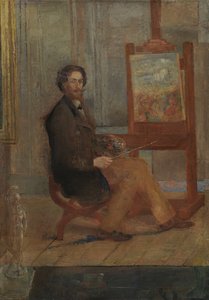
जेम्स एन्सर
1860 - 1949 , बेल्जियम
संक्षिप्त जानकारी
- Artistic Movement Or Style: अभिव्यक्तिवाद और अतिवास्तववाद
- Artists Who Influenced This Artist:
- पीटर पॉल रुबेन्स
- फ्रांसिस्को गोया
- विथ्सलर
- Date Of Birth: अप्रैल 13, 1860
- Date Of Death: नवंबर 19, 1949
- Full Name: James Sidney Edouard Ensor
- Nationality: बेल्जियम
- Notable Artworks:
- क्राइस्ट का ब्रुसेल्स में प्रवेश
- संकेतित मुखौटे
- सेंट एंथोनी के दुखों का चित्रण
- Place Of Birth: ओस्टेंड, बेल्जियम
संबंधित लेखों की सूची
Sir Alfred Munnings' Masterpieces: 25 Paintings That Define Equine Art | AllPaintingsStore
Explore 25 iconic Sir Alfred Munnings paintings! Discover the beauty of British Impressionism, equine art & rural England. Find museum-quality reproductions and elevate your home decor with AllPaintingsStore. Explore the full collection online.

James Ensor's Grotesque Visions: Social Commentary & Artistic Innovation
Explore the unsettling yet captivating world of James Ensor, a pioneer of Expressionism. Discover his satirical masterpieces, symbolic imagery & lasting influence on modern art. High-quality reproductions available at AllPaintingsStore.
Unveiling the Mystery: A Journey Through the World's Most Iconic Mask Artworks
Embark on a profound journey through the world's most iconic mask artworks. Explore the spiritual depth, intricate craftsmanship, and rich cultural heritage of global traditions, from Chhau to Gomira, in this expert-led exploration of ancestral artistry and symbolic beauty.
जेम्स एबॉट मैकनील व्हिस्लर की 25 उत्कृष्ट कलाकृतियाँ: सौंदर्य और इतिहास का संगम
जेम्स एबॉट मैकनील व्हिस्लर की 25 सर्वश्रेष्ठ कलाकृतियों का अन्वेषण करें। सौंदर्यवादी आंदोलन, रात्रि दृश्य और पोर्ट्रेट से लेकर, प्रत्येक पेंटिंग एक कहानी कहती है। उच्च गुणवत्ता वाले कला पुनरुत्पादन के लिए AllPaintingsStore.com पर खोजें।

The Eloquent Line: Exploring the Artistic Significance of Sketches Across Movements and Media
Explore the profound artistic significance of sketches throughout history. From Renaissance masters to modern innovators like Van Gogh & Guston, discover how these foundational works reveal technique, emotion, and vision. Learn more at AllPaintingsStore.


