


 पूर्वावलोकन देखें
 भेजें
भेजें साझा करें
 विवरण देखें
 मार्गदर्शिका

 डाउनलोड करें
 समान वस्तुएं
 एक्स-रे
 स्लाइड शो देखें
 आंकड़े
The Baths at Ostend

 और पढ़ें
गिक्ली / आर्ट प्रिंट
तेज़ उत्पादन और विभिन्न फिनिश विकल्पों के साथ म्यूजियम-क्वालिटी गिकली (giclée) या कैनवस प्रिंट। ( हाथ से बनी पेंटिंग खरीदें डिजिटल इमेज पर जाएँ)




P118B ₹10

P118H ₹10

P118W ₹10

P438Z ₹10

P508JH ₹12

P508YH ₹12

P805H ₹10

P805Z ₹10

P919BZ ₹10

P919G ₹10

P919XJ ₹10

P959ZH ₹10

P968JZ ₹12

W106C ₹8

W218G ₹10

W218JH ₹8

W218Y ₹10

W307PJ ₹10

W316G ₹10

W316PJ ₹8

W316Y ₹10

W398PJ ₹8

W4111J ₹10

W500HY ₹15

W500JH ₹15

W692G ₹12

W849H ₹8

W940BG ₹15

W953PJ ₹8




कलाकृति के मूल अनुपात से मेल खाने वाले हमारे पूर्व निर्धारित आकारों में से चुनें।

अपने फ्रेम या अपनी दीवार के अनुसार आवश्यक चौड़ाई और ऊंचाई दर्ज करें। प्रिंट को केवल काटा जा सकता है, चित्र से बड़ा कभी नहीं बनाया जा सकता, इसलिए अलग आकार का साइज चित्र का एक हिस्सा खो देता है। किसी भी चीज़ को प्रिंट करने से पहले हम आपकी स्वीकृति के लिए आपको एक डिजिटल मॉकअप भेजते हैं। इस पृष्ठ पर दिखाया गया चित्र वास्तविक कटिंग नहीं दिखाता है — केवल मॉकअप ही इसे दर्शाता है।
विश्वव्यापी डिलीवरी (), मानक 4/5 सप्ताह के बजाय मात्र 2 सप्ताह में। (25 अक्टूबर)

दुनिया भर में मुफ़्त एक्सप्रेस शिपिंग

प्रीमियम ग्रेड लिनेन कैनवास

पूर्ण शिपिंग बीमा

सीमा शुल्क और आयात कर वापसी की गारंटी

सटीक रंग मिलान की गारंटी

100 दिनों की वापसी नीति (केवल निर्माण दोष होने पर)

100% पैसे वापसी की गारंटी

थोक छूट का अवसर
 ग्लास का विकल्प केवल 110 सेमी से कम आकार में ही उपलब्ध है।

The Baths at Ostend
गिक्ली / आर्ट प्रिंट
प्रतिकृति का आकार
-


कुल मूल्य
₹ 6136
A Storm of Humanity: Unpacking James Ensor’s “The Baths at Ostend”
James Ensor's "The Baths at Ostend," painted in 1890, isn’t merely a depiction of a seaside scene; it’s a visceral plunge into the anxieties and complexities of modern life. This remarkable work, now available as a meticulously crafted hand-painted reproduction from AllPaintingsStore.com, stands as a cornerstone of Expressionism – a movement that dared to prioritize emotional truth over objective reality. Ensor, born in Ostend, Belgium, to an English father and Belgian mother, possessed a uniquely unsettling artistic vision, fueled by his childhood spent amidst the vibrant chaos of carnival and the bustling atmosphere of a seaside resort town. This duality profoundly shaped his work, particularly his fascination with masks, disguise, and the often-discomforting realities hidden beneath polite facades.
The painting immediately assaults the viewer with its frenetic energy. A dense throng of figures – swimmers, bathers, onlookers – are crammed together on a white sand beach, creating an overwhelming sense of claustrophobia. The composition isn’t concerned with traditional perspective; instead, Ensor employs a wide-angle view that exaggerates scale and intensifies the feeling of being swept up in a chaotic crowd. The dominant structure, resembling a bathhouse or changing room, anchors the left side of the canvas, while a distant horizon punctuated by clouds offers a meager suggestion of escape. This deliberate imbalance contributes to an underlying sense of unease – a feeling that the viewer is not merely observing but being actively absorbed into this swirling mass of humanity.
Color and Distortion: The Language of Emotion
Ensor’s masterful use of color is central to the painting's impact. A predominantly white palette, punctuated by vibrant blues, reds, yellows, and blacks, creates a jarring yet captivating visual experience. These colors aren’t blended or softened; they are applied in bold, expressive strokes, emphasizing the raw emotion at the heart of the scene. The stark contrast between the bright whites of the sand and foam and the darker tones used for the figures amplifies this effect, drawing attention to the individuals within the crowd. The loose application of paint – visible brushstrokes that seem almost frantic – further contributes to the painting’s sense of immediacy and emotional intensity.
Furthermore, Ensor deliberately distorts forms, particularly those of the human figures. Faces are caricatured with exaggerated features, creating a disconcerting effect that reflects the artist's own anxieties about anonymity and social conformity. The bodies themselves are not rendered realistically; they’re simplified and compressed, adding to the overall sense of chaos and disorientation. This distortion isn’t simply stylistic; it serves as a powerful visual metaphor for the alienation and dehumanization experienced within large crowds.
Symbolism and the Anxieties of Modernity
“The Baths at Ostend” is more than just a snapshot of a beach scene. It's a potent commentary on the anxieties of modern life, particularly the sense of anonymity and potential isolation that can arise within crowded spaces. The sheer number of figures, their distorted forms, and the overall chaotic composition suggest a critique of mass tourism or the pressures of societal conformity. As documented in research materials from MoMA and other institutions, Ensor’s friend André De Ridder described the painting as “a lunatic dance of fools,” capturing the unsettling energy of the scene perfectly. The bright colors, despite the underlying sense of unease, add to the painting's intensity, suggesting a desperate attempt to find beauty or meaning amidst the chaos.
Owning a hand-painted reproduction of "The Baths at Ostend" from AllPaintingsStore.com offers a unique opportunity to experience this powerful work firsthand. Each reproduction is created using high-quality materials and techniques, ensuring that it faithfully captures Ensor’s distinctive style and emotional impact. It's not just a print; it’s a tangible connection to a pivotal moment in art history – a window into the mind of a visionary artist who dared to confront the complexities of the human experience.
प्रश्न और उत्तर
जेम्स एन्सर द्वारा "The Baths at Ostend" में रंगों का सामंजस्य कैसा है?
जेम्स एन्सर द्वारा "The Baths at Ostend" के रंग एक Discordant Palette सामंजस्य प्रदर्शित करते हैं। सामंजस्य यह बताता है कि रंग एक-दूसरे से किस प्रकार संबंधित हैं।
"The Baths at Ostend" में कंट्रास्ट (विपरीतता) और सामंजस्य किस प्रकार एक साथ मिलते हैं?
जेम्स एन्सर द्वारा "The Baths at Ostend" का रंग संयोजन एक Gentle विरोधाभास के साथ Discordant Palette सामंजस्य को जोड़ता है।
"The Baths at Ostend" का निर्माण किसने किया?
"The Baths at Ostend" के पीछे के कलाकार जेम्स एन्सर हैं। यह कृति जेम्स एन्सर के नाम के अंतर्गत सूचीबद्ध है।
समान कलाकृतियाँ


कलाकार का परिचय
James Ensor: A Visionary of Disquiet
James Sidney Edouard, Baron Ensor (Ostend, 13 April 1860 – November 19, 1949) был бельгийским художником и гравёром, оказавшим значительное влияние на экспрессионизм и сюрреализм. Он был членом художественной группы Les XX.
Early Influences and Artistic Training
James Ensor’s father, James Frederic Ensor, родился в Брюсселе у английских родителей и был образованным человеком, изучавшим инженерию в Англии и Германии. Его мать, Мария Катерина Хаэгеман, была бельгийкой. Сам Энсор не проявлял интереса к академическому изучению и оставил школу в возрасте пятнадцати лет, чтобы начать своё художественное обучение с двух местных художников. Он посещал Академию Королевскую Бельгии в Брюсселе вместе со своим одноклассником Фернандом Хнопфом.
The Birth of Expressionism: Bold Experimentation
Энсор быстро отказался от традиционного подхода к живописи и начал разрабатывать революционный стиль, который отражал его собственное видение мира. Он особенно был очарован карнавальской культурой организованной вокруг праздника Мартра каждый год в Бельгии, что несомненно было вызвано тем, что семья Энсора в Остенде была главным поставщиком карнавальной атрибутики. Формальный метод живописи Энсора отличался от традиционных методов и был предназначен для выражения его личной позиции. Он отвергал французский импрессионизм и символизм и использовал экспрессивные средства света, линии и цвета.
Iconic Paintings and Recurring Themes
Энсор создал серию работ, которые продолжают поражать и восхищать публику сегодня. Картина «Христос входит в Брюссель» (1888–89) является одним из самых известных произведений Энсора и представляет собой сатиру религиозной неискренности и социальной безразличия. Этот тревожный образ Христа, входящего в город, наполненный гротескными масками и фигурами, является мощным комментарием о разрыве между духовными идеалами и человеческим поведением. Картина «Скелеты сражаются за повешенного человека» (1891) исследует темы смерти, разложения и абсурда жизни.
Legacy and Recognition
Несмотря на первоначальное сопротивление Энсора его художественное наследие остается свидетельством силы искусства для столкновения с неудобными истинами и исследования глубины человеческого состояния. Он является одним из ключевых фигур в переходном периоде от XIX века к началу XX века — настоящим пионером современного искусства.
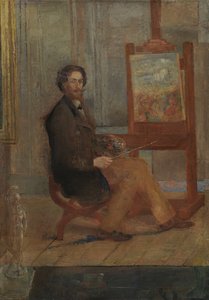
जेम्स एन्सर
1860 - 1949 , बेल्जियम
संक्षिप्त जानकारी
- Artistic Movement Or Style: अभिव्यक्तिवाद और अतिवास्तववाद
- Artists Who Influenced This Artist:
- पीटर पॉल रुबेन्स
- फ्रांसिस्को गोया
- विथ्सलर
- Date Of Birth: अप्रैल 13, 1860
- Date Of Death: नवंबर 19, 1949
- Full Name: James Sidney Edouard Ensor
- Nationality: बेल्जियम
- Notable Artworks:
- क्राइस्ट का ब्रुसेल्स में प्रवेश
- संकेतित मुखौटे
- सेंट एंथोनी के दुखों का चित्रण
- Place Of Birth: ओस्टेंड, बेल्जियम
संबंधित लेखों की सूची

Expressionism Explained: A Professional Guide to Using Bold Color and Raw Emotion in High-End Hospitality Design
Master the use of Expressionism in hospitality design. Learn how bold colors and raw emotion drive guest engagement through professional art procurement, custom oil reproductions, and large-scale multi-panel installations for high-end hotel interiors.

Expressionism Explained: A Professional Guide to Bold Colors and Emotional Depth for Interior Designers
Master the use of Expressionism in hospitality design. Learn how bold colors and distorted forms create emotional impact in hotel interiors through expert guidance on sourcing high-quality, hand-painted reproductions and large-format custom commissions for professional decorators.


