


 पूर्वावलोकन देखें
 साझा करें
 साझा करें
 विस्तृत विवरण
 मार्गदर्शिका

 डाउनलोड करें
 समान वस्तुएं
 एक्स-रे
 स्लाइड शो देखें
 प्रश्न और उत्तर
 आंकड़े
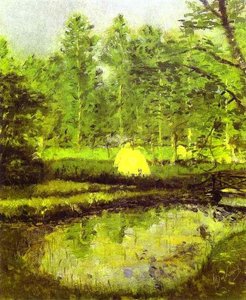
Man sitting beside a window


 पूरा देखें
इस पृष्ठ पर प्रदर्शित कलाकृति कॉपीराइट कानून द्वारा संरक्षित है, जिसका अर्थ है कि हम कानूनी रूप से इसकी हूबहू प्रतिलिपि बनाने या बेचने का अधिकार नहीं रखते हैं। यह संरक्षण अंतर्राष्ट्रीय समझौतों के तहत लागू किया जाता है, जैसे कि बर्न कन्वेंशन और राष्ट्रीय कानूनों द्वारा, जिनमें % द्वारा निर्धारित कानून भी शामिल हैं। अमेरिकी कॉपीराइट कानून - शीर्षक 17।
यह विधि कॉपीराइट नियमों का पूरी तरह से पालन करती है क्योंकि इसमें संरक्षित कलाकृति की नकल या प्रतिलिपि बनाना शामिल नहीं है। इसके बजाय, यह एक रचनात्मक पुनर्व्याख्या है - एक ऐसी नई पेंटिंग जो मूल कृति से प्रेरित तो है, लेकिन उसके समान नहीं है।
गिक्ली / आर्ट प्रिंट
तेज़ उत्पादन और विभिन्न फिनिश विकल्पों के साथ म्यूजियम-क्वालिटी गिकली (giclée) या कैनवस प्रिंट। ( इस संग्रहणीय वस्तु की हाथ से बनी प्रतिकृति मंगवाएं डिजिटल इमेज पर स्विच करें)




P118B ₹10

P118H ₹10

P118W ₹10

P438Z ₹10

P508JH ₹12

P508YH ₹12

P805H ₹10

P805Z ₹10

P919BZ ₹10

P919G ₹10

P919XJ ₹10

P959ZH ₹10

P968JZ ₹12

W106C ₹8

W218G ₹10

W218JH ₹8

W218Y ₹10

W307PJ ₹10

W316G ₹10

W316PJ ₹8

W316Y ₹10

W398PJ ₹8

W4111J ₹10

W500HY ₹15

W500JH ₹15

W692G ₹12

W849H ₹8

W940BG ₹15

W953PJ ₹8




कलाकृति के मूल अनुपात से मेल खाने वाले हमारे पूर्व निर्धारित आकारों में से चुनें।

अपने फ्रेम या अपनी दीवार के अनुसार आवश्यक चौड़ाई और ऊंचाई दर्ज करें। प्रिंट को केवल काटा जा सकता है, चित्र से बड़ा कभी नहीं बनाया जा सकता, इसलिए अलग आकार का साइज चित्र का एक हिस्सा खो देता है। किसी भी चीज़ को प्रिंट करने से पहले हम आपकी स्वीकृति के लिए आपको एक डिजिटल मॉकअप भेजते हैं। इस पृष्ठ पर दिखाया गया चित्र वास्तविक कटिंग नहीं दिखाता है — केवल मॉकअप ही इसे दर्शाता है।
विश्वव्यापी डिलीवरी (), मानक 4/5 सप्ताह के बजाय मात्र 2 सप्ताह में। (7 नवमबर)

दुनिया भर में मुफ़्त एक्सप्रेस शिपिंग

उच्च गुणवत्ता वाला लिनेन कैनवास

पूर्ण शिपिंग बीमा

सीमा शुल्क और आयात कर वापसी की गारंटी

सटीक रंग मिलान की गारंटी

100 दिनों की वापसी नीति (केवल दोष होने पर)

100% पैसे वापसी की गारंटी

थोक छूट का अवसर
 ग्लास का विकल्प केवल 110 सेमी से कम आकार में ही उपलब्ध है।

Man sitting beside a window
गिक्ली / आर्ट प्रिंट
प्रतिकृति का आकार
-


कुल देय राशि
₹ 6296
A Moment of Quietude: The Soul of Duchamp’s Early Mastery
In the vast, often turbulent history of modern art, there exists a rare, fleeting moment where the revolutionary spirit of Marcel Duchamp was still anchored in the serene beauty of the visible world. Man Seated by a Window, painted in 1907, captures this exquisite tension. Before he became the iconoclast who would dismantle the very definition of art through Dada and Readymades, Duchamp was a painter deeply engaged with the sensory delights of his surroundings. This piece invites the viewer into a private sanctuary, presenting a solitary figure lost in thought, framed by the soft light of a window and the vibrant life of blossoming flora. It is not merely a depiction of a man at rest; it is an invitation to pause, to breathe, and to find resonance in the quiet intervals of existence.
The composition functions as a delicate dialogue between the interior and the exterior worlds. As the eye wanders across the canvas, one encounters a masterful use of Post-Impressionist techniques that prioritize emotional atmosphere over rigid anatomical precision. The artist employs loose, gestural brushstrokes that imbue the scene with a sense of living movement—the gentle sway of leaves, the dappled light filtering through the glass, and the soft texture of the man's clothing. This stylistic choice creates a luminous quality, where the muted blues and greens of the background harmonize with warmer, sun-drenched hues from the garden outside, establishing a visual equilibrium that is both soothing and intellectually stimulating.
Technique and the Art of Atmosphere
Executed in oil on canvas, the painting showcases Duchamp’s formidable command over medium and light. The texture of the oil paint allows for a rich layering of color, which lends depth to the shadows within the room and brilliance to the petals of the flowers. For the discerning collector or interior designer, this work offers a sophisticated interplay of tones that can anchor a room with its tranquil energy. Unlike the starker, more clinical works of later modernism, this painting possesses a tactile warmth; it feels inhabited, as if the scent of the garden could drift through the frame. The way the light interacts with the subject suggests a daytime setting filled with the gentle vitality of spring or summer, making it an ideal centerpiece for spaces designed for contemplation and repose.
Beyond its aesthetic charm, the painting serves as a profound historical document. It captures a period of transition in art history, where the boundaries between Impressionism and the burgeoning movements of Cubism were still being negotiated. In this work, we see the seeds of Duchamp’s later philosophical inquiries—the way he uses the window not just as a physical object, but as a metaphorical lens through which we perceive reality. To possess a reproduction of this masterpiece is to hold a piece of the very foundation of modern thought, wrapped in the beautiful, accessible language of classical beauty.
An Inspiration for the Modern Interior
For those looking to curate an environment of elegance and intellectual depth, Man Seated by a Window offers unparalleled versatility. Its palette—a sophisticated blend of organic greens, deep blues, and soft floral accents—complements a wide array of interior styles, from contemporary minimalism to classic European aesthetics. The painting’s ability to evoke a sense of peace makes it a transformative element in a study, a library, or a quiet corner of a living space. It does not demand attention through noise, but rather commands respect through its profound stillness, acting as a window into a more thoughtful and reflective way of being.
प्रश्न और उत्तर
मार्सेल डुशाँ द्वारा "Man sitting beside a window" में क्या दर्शाया गया है, और इसका भाव कैसा है?
"Man sitting beside a window" में window, flowers, reading, interior, calmness, leisure, observation को दर्शाया गया है, और इसका भाव Serene है।
मार्सेल डुशाँ द्वारा "Man sitting beside a window" की रंग संरचना (color composition) कैसे तैयार की गई है?
"Man sitting beside a window" में, एक Bold विरोधाभास को Softly Mixed Palette सामंजस्य के साथ जोड़ा गया है।
"Man sitting beside a window" किस काल का है?
मार्सेल डुशाँ द्वारा "Man sitting beside a window" का संबंध Modern काल से है। यह काल इस कृति के ऐतिहासिक संदर्भ को दर्शाता है।
समान कलाकृतियाँ




कलाकार की जीवनी
मार्सेल डुशांप: कला के पारंपरिक विचारों को चुनौती देने वाला एक क्रांतिकारी
मार्सेल डुशांप, जिनका जन्म हेनरी-रॉबर्ट-मार्सेल डुशांप 1887 में ब्लैनविले-सुर-मर्, नॉर्मंडी, फ्रांस में हुआ था, सिर्फ एक कलाकार ही नहीं थे; वे एक दार्शनिक उत्तेजक थे जिन्होंने आधुनिक कला के पाठ्यक्रम को मौलिक रूप से बदल दिया। उनका प्रारंभिक जीवन, जो प्रतीत होता है कि पारंपरिक है - उनकी दोनों भाइयों ने सफल कलाकारों के रूप में करियर बनाया - आने वाले विध्वंस का संकेत देता था। डुशांप ने शुरू में औपचारिक प्रशिक्षण लिया, पारंपरिक तकनीकों में महारत हासिल की और पोस्ट-इंप्रेशनिस्ट शैलियों के साथ प्रयोग किया। हालाँकि, यह अकादमिक नींव अपने आप में एक अंत नहीं थी, बल्कि कला की प्रकृति, इसके उद्देश्य और इसकी परिभाषा पर सवाल उठाने के लिए एक शुरुआती बिंदु थी। वह दुनिया को चित्रित करने से संतुष्ट नहीं थे; उन्होंने चुनौती दी कि हम इसे कैसे देखते हैं, और कलात्मक मूल्य क्या है। उनकी यह बेचैन बौद्धिक जिज्ञासा उनके विपुल करियर की परिभाषित विशेषता बन जाएगी।क्यूबिज्म से दादावाद: परंपरा का त्याग
डुशांप की कलात्मक यात्रा निरंतर विकास के साथ चिह्नित थी, स्थापित मानदंडों को जानबूझकर त्यागने के साथ। क्यूबिज्म के साथ उनका प्रारंभिक जुड़ाव, *चेस प्लेयर्स का चित्र* (1911) में स्पष्ट है, जो खंडित रूपों और कई दृष्टिकोणों में रुचि दर्शाता है - पारंपरिक प्रतिनिधित्व से एक प्रस्थान। हालाँकि, उन्होंने जल्द ही विशुद्ध रूप से सौंदर्य संबंधी चिंताओं से आगे बढ़ गए, यह महसूस करते हुए कि केवल दृश्य तत्वों को पुनर्व्यवस्थित करना गहरे सवालों का समाधान करने के लिए पर्याप्त नहीं था। प्रथम विश्व युद्ध की भयावहता ने इस असंतोष को बढ़ावा दिया, जिससे डुशांप दादावाद को अपनाने के लिए प्रेरित हुआ, एक आंदोलन जो निराशा और तर्क, कारण और पारंपरिक कलात्मक मूल्यों के अस्वीकरण से पैदा हुआ था। दादावादी ढांचे के भीतर ही डुशांप ने वास्तव में कला की पारंपरिक धारणाओं को ध्वस्त करना शुरू कर दिया। वह सुंदर वस्तुओं का निर्माण करने में रुचि नहीं रखते थे; वे विचारोत्तेजक करना चाहते थे, मान्यताओं को चुनौती देना चाहते थे और सौंदर्य संबंधी निर्णय की मनमानी को उजागर करना चाहते थे। इस अवधि ने उनका सबसे कट्टरपंथी नवाचार देखा: 'रेडीमेड'।रेडीमेड्स और कला के विघटन
रेडीमेड्स - चयनित और कला के रूप में प्रस्तुत साधारण निर्मित वस्तुएं - 20वीं सदी में डुशांप का सबसे महत्वपूर्ण योगदान था। ये केवल पाई गई वस्तुएँ नहीं थीं; वे कलात्मक विघटन के जानबूझकर किए गए कार्य थे। एक रोजमर्रा की वस्तु, जैसे कि एक मूत्रालय (*फౌंटेन*, 1917), को "आर. मट" नाम से हस्ताक्षर करके और इसे कला प्रदर्शनी में प्रस्तुत करके, डुशांप कलात्मक कौशल और लेखकत्व की बहुत परिभाषा को चुनौती दी। क्या काम कलाकार के हाथ का निर्माण था, या कलाकार का *विचार*? यह सवाल उनके अभ्यास के केंद्र में आ गया और इसने अवधारणात्मक कला के लिए मार्ग प्रशस्त किया। अन्य उल्लेखनीय रेडीमेड्स जैसे कि *एल.एच.ओ.ओ.क्यू.* (1919), मोना लिसा की एक पोस्टकार्ड प्रतिकृति जिसे मूंछ और दाढ़ी से विकृत किया गया था, कला इतिहास और स्थापित सांस्कृतिक प्रतीकों की चंचल लेकिन तीखी आलोचना थी। ये काम अपनी सौंदर्य गुणवत्ता के लिए सराहनीय होने का इरादा नहीं था; वे दर्शकों को उनके पूर्वकल्पित विचारों पर पुनर्विचार करने के लिए प्रेरित करने के उद्देश्य से थे कि क्या कला है। डुशांप का मानना था कि कला मन में होनी चाहिए, केवल आँख में नहीं।विरासत और स्थायी प्रभाव
मार्सेल डुशांप का बाद की पीढ़ियों के कलाकारों पर प्रभाव असीम है। उन्होंने हमारी कला की समझ को मौलिक रूप से बदल दिया, अवधारणात्मक कला, न्यूनतमवाद, पॉप आर्ट और अनगिनत अन्य जैसे आंदोलनों के लिए मार्ग प्रशस्त किया। कलाकार के विचार - काम के पीछे की अवधारणा - उसकी सौंदर्य गुणवत्ता से अधिक पर जोर देना आज भी कलाकारों को प्रेरित करता रहता है।- क्यूबिज्म: खंडित रूपों और स्थानिक प्रतिनिधित्व की प्रारंभिक खोज।
- दादावाद: प्रथम विश्व युद्ध के जवाब में तर्क, कारण और पारंपरिक कलात्मक मूल्यों का अस्वीकरण।
- अवधारणात्मक कला: कलाकृति की सौंदर्य गुणवत्ता के बजाय इसके पीछे के विचार पर जोर।
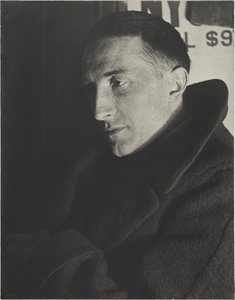
मार्सेल डुशाँ
1887 - 1968 , फ्रांस
प्रमुख तथ्य
- कलात्मक शैली:
- घनवाद
- डाडाइज़्म
- संकल्पनात्मक कला
- जन्म तिथि: 28 जुलाई 1887
- जन्म स्थान: ब्लेनविले-सुर-मर्, फ्रांस
- पूरा नाम: मार्सल डुशाम्प
- प्रभावित आंदोलन:
- संकल्पनात्मक कला
- पॉप आर्ट
- न्यूनतमवाद
- प्रमुख कृतियाँ:
- फव्वारा
- एल.एच.ओ.ओ.क्यू.
- द लार्ज ग्लास
- बोइट-एन-वेलिस
- मृत्यु तिथि: 2 अक्टूबर 1968
- राष्ट्रीयता: फ्रांसीसी-अमेरिकी
संबंधित लेख

Post-Impressionism Guide: Bold Colors and Expressive Masterpieces for Professional Hotel Decorators
Elevate hospitality interiors with Post-Impressionist masterpieces. A professional guide for hotel designers on selecting bold, expressive oil reproductions and large-scale murals to create impactful, high-end guest experiences through expert art procurement.

Beyond Impressionism: Exploring the Emotional Depth and Vibrant Mastery of Post-Impressionist Art
Discover the profound evolution of art beyond Impressionism. Explore the emotional depth, vibrant colors, and revolutionary techniques of Post-Impressionist masters like Van Gogh and Cézanne in this expert guide to art history's most expressive movement.


