


 पूर्वावलोकन देखें
 भेजें
भेजें साझा करें
 विवरण देखें
 मार्गदर्शिका

 डाउनलोड करें
 समान वस्तुएं
 एक्स-रे
 स्लाइड शो देखें
 आंकड़े
Se ruega tocar


 और पढ़ें
इस पृष्ठ पर प्रदर्शित कलाकृति कॉपीराइट कानून द्वारा संरक्षित है, जिसका अर्थ है कि हम कानूनी रूप से इसकी हूबहू प्रतिलिपि बनाने या बेचने का अधिकार नहीं रखते हैं। यह संरक्षण अंतर्राष्ट्रीय समझौतों के तहत लागू किया जाता है, जैसे कि बर्न कन्वेंशन और राष्ट्रीय कानूनों द्वारा, जिनमें % द्वारा निर्धारित कानून भी शामिल हैं। अमेरिकी कॉपीराइट कानून - शीर्षक 17।
यह विधि कॉपीराइट नियमों का पूरी तरह से पालन करती है क्योंकि इसमें संरक्षित कलाकृति की नकल या प्रतिलिपि बनाना शामिल नहीं है। इसके बजाय, यह एक रचनात्मक पुनर्व्याख्या है - एक ऐसी नई पेंटिंग जो मूल कृति से प्रेरित तो है, लेकिन उसके समान नहीं है।
गिक्ली / आर्ट प्रिंट
तेज़ उत्पादन और विभिन्न फिनिश विकल्पों के साथ म्यूजियम-क्वालिटी गिकली (giclée) या कैनवस प्रिंट। ( हाथ से बनी पेंटिंग खरीदें डिजिटल इमेज पर जाएँ)




P118B ₹10

P118H ₹10

P118W ₹10

P438Z ₹10

P508JH ₹12

P508YH ₹12

P805H ₹10

P805Z ₹10

P919BZ ₹10

P919G ₹10

P919XJ ₹10

P959ZH ₹10

P968JZ ₹12

W106C ₹8

W218G ₹10

W218JH ₹8

W218Y ₹10

W307PJ ₹10

W316G ₹10

W316PJ ₹8

W316Y ₹10

W398PJ ₹8

W4111J ₹10

W500HY ₹15

W500JH ₹15

W692G ₹12

W849H ₹8

W940BG ₹15

W953PJ ₹8




कलाकृति के मूल अनुपात से मेल खाने वाले हमारे पूर्व निर्धारित आकारों में से चुनें।

अपने फ्रेम या अपनी दीवार के अनुसार आवश्यक चौड़ाई और ऊंचाई दर्ज करें। प्रिंट को केवल काटा जा सकता है, चित्र से बड़ा कभी नहीं बनाया जा सकता, इसलिए अलग आकार का साइज चित्र का एक हिस्सा खो देता है। किसी भी चीज़ को प्रिंट करने से पहले हम आपकी स्वीकृति के लिए आपको एक डिजिटल मॉकअप भेजते हैं। इस पृष्ठ पर दिखाया गया चित्र वास्तविक कटिंग नहीं दिखाता है — केवल मॉकअप ही इसे दर्शाता है।
विश्वव्यापी डिलीवरी (), मानक 4/5 सप्ताह के बजाय मात्र 2 सप्ताह में। (24 अक्टूबर)

दुनिया भर में मुफ़्त एक्सप्रेस शिपिंग

प्रीमियम ग्रेड लिनेन कैनवास

पूर्ण शिपिंग बीमा

सीमा शुल्क और आयात कर वापसी की गारंटी

सटीक रंग मिलान की गारंटी

100 दिनों की वापसी नीति (केवल निर्माण दोष होने पर)

100% पैसे वापसी की गारंटी

थोक छूट का अवसर
 ग्लास का विकल्प केवल 110 सेमी से कम आकार में ही उपलब्ध है।

Se ruega tocar
गिक्ली / आर्ट प्रिंट
प्रतिकृति का आकार
-


कुल मूल्य
₹ 6139
A Surreal Encounter: Deconstructing Reality in Duchamp’s ‘Se ruega tocar’
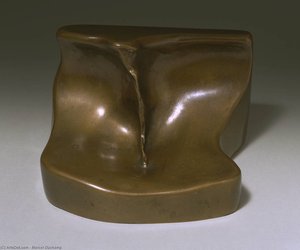
Marcel Duchamp's *Se ruega tocar* (“Please Touch”) is a pivotal work embodying the revolutionary spirit of Dadaism, a movement born from disillusionment with the horrors of World War I. More than just a painting, it’s a conceptual gesture—a deliberate provocation challenging conventional notions of art and inviting active participation from the viewer. This piece isn't about aesthetic beauty in the traditional sense; it’s about *ideas*, questioning what constitutes art itself.Deciphering the Composition: Objects and Illusions
The artwork presents a meticulously rendered, yet unsettling still life. A textured orange dominates the foreground, seemingly sculpted from light and shadow. It rests against a backdrop of sharply defined geometric shapes – cardboard forms creating an almost architectural space. Crucially, a book is integrated into this composition, partially obscured but undeniably present. The phrase “Se ruega tocar” is inscribed, directly addressing the audience with an unusual invitation to *touch* the artwork—a radical departure from the customary reverence afforded art objects.Dadaism and the Rejection of Tradition
*Se ruega tocar* exemplifies core Dadaist principles. The movement rejected logic, reason, and aestheticism in favor of irrationality, nonsense, and anti-art sentiments. Duchamp’s use of everyday objects – the orange, the book, cardboard – elevated to artistic status is a prime example of his “readymades.” This challenged the established art world's emphasis on skill and craftsmanship, suggesting that an artist’s *choice* of object could be as significant as its creation. The deliberate ambiguity and playful disruption are hallmarks of Dadaism’s rebellious spirit.Symbolism and Interpretation
The symbolism within *Se ruega tocar* is open to interpretation, a characteristic Duchamp intentionally cultivated.- The Orange: Often associated with sensuality and vitality, here it feels strangely isolated and almost artificial in its hyper-real depiction.
- The Book: Represents knowledge, culture, and tradition – yet is partially hidden, suggesting a questioning of established systems of thought.
- Geometric Forms: Imply order and structure, but their starkness creates a sense of unease and confinement.
- The Inscription: The invitation to touch is perhaps the most provocative element. It breaks down the barrier between artwork and viewer, demanding engagement beyond passive observation.
Technique and Artistic Significance
While appearing deceptively simple, *Se ruega tocar* demonstrates Duchamp’s mastery of technique. The use of oil paint allows for rich textures and subtle gradations of light and shadow, enhancing the three-dimensionality of the objects. However, it's not the technical skill that defines this work; it’s the conceptual framework behind it. Duchamp’s influence extends far beyond Dadaism, paving the way for Conceptual Art, Pop Art, and countless other movements that prioritize ideas over traditional aesthetics. His willingness to challenge conventions continues to inspire artists today.Emotional Impact and Interior Design Considerations
*Se ruega tocar* evokes a sense of mystery, intellectual curiosity, and perhaps even slight discomfort. It’s not an artwork designed to provide easy answers or immediate gratification. A reproduction of this piece would serve as a striking focal point in a modern or contemporary interior, particularly one that values intellectual stimulation and unconventional design. Its muted color palette and geometric forms lend themselves well to minimalist spaces, while its conceptual depth adds layers of meaning to any environment. It’s a conversation starter—a work that invites contemplation and challenges perceptions.प्रश्न और उत्तर
मैं मार्सेल डुशाँ द्वारा "Se ruega tocar" के समान अन्य कलाकृतियाँ कैसे खोज सकता हूँ?
मार्सेल डुशाँ द्वारा "Se ruega tocar" के समान कलाकृतियाँ इस कलाकृति के समान कलाकृतियाँ पृष्ठ पर एकत्रित हैं।
मुझे अपने कमरे के लिए "Se ruega tocar" का कौन सा आकार प्रिंट करना चाहिए?
एक Living Room में, "Se ruega tocar" के लिए Medium प्रिंट आकार का सुझाव दिया जाता है।
मैं मार्सेल डुशाँ द्वारा "Se ruega tocar" कहाँ से डाउनलोड कर सकता हूँ?
मार्सेल डुशाँ द्वारा "Se ruega tocar" की छवि को कलाकृति के डाउनलोड करें पेज से डाउनलोड किया जा सकता है: एक उच्च-रिज़ॉल्यूशन वाली डिजिटल इमेज डाउनलोड।
समान कलाकृतियाँ



कलाकार का परिचय
मार्सेल डुशांप: कला के पारंपरिक विचारों को चुनौती देने वाला एक क्रांतिकारी
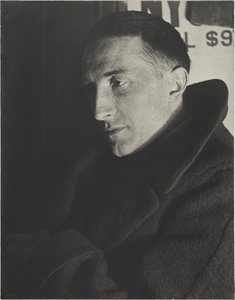
मार्सेल डुशांप, जिनका जन्म हेनरी-रॉबर्ट-मार्सेल डुशांप 1887 में ब्लैनविले-सुर-मर्, नॉर्मंडी, फ्रांस में हुआ था, सिर्फ एक कलाकार ही नहीं थे; वे एक दार्शनिक उत्तेजक थे जिन्होंने आधुनिक कला के पाठ्यक्रम को मौलिक रूप से बदल दिया। उनका प्रारंभिक जीवन, जो प्रतीत होता है कि पारंपरिक है - उनकी दोनों भाइयों ने सफल कलाकारों के रूप में करियर बनाया - आने वाले विध्वंस का संकेत देता था। डुशांप ने शुरू में औपचारिक प्रशिक्षण लिया, पारंपरिक तकनीकों में महारत हासिल की और पोस्ट-इंप्रेशनिस्ट शैलियों के साथ प्रयोग किया। हालाँकि, यह अकादमिक नींव अपने आप में एक अंत नहीं थी, बल्कि कला की प्रकृति, इसके उद्देश्य और इसकी परिभाषा पर सवाल उठाने के लिए एक शुरुआती बिंदु थी। वह दुनिया को चित्रित करने से संतुष्ट नहीं थे; उन्होंने चुनौती दी कि हम इसे कैसे देखते हैं, और कलात्मक मूल्य क्या है। उनकी यह बेचैन बौद्धिक जिज्ञासा उनके विपुल करियर की परिभाषित विशेषता बन जाएगी।क्यूबिज्म से दादावाद: परंपरा का त्याग
डुशांप की कलात्मक यात्रा निरंतर विकास के साथ चिह्नित थी, स्थापित मानदंडों को जानबूझकर त्यागने के साथ। क्यूबिज्म के साथ उनका प्रारंभिक जुड़ाव, *चेस प्लेयर्स का चित्र* (1911) में स्पष्ट है, जो खंडित रूपों और कई दृष्टिकोणों में रुचि दर्शाता है - पारंपरिक प्रतिनिधित्व से एक प्रस्थान। हालाँकि, उन्होंने जल्द ही विशुद्ध रूप से सौंदर्य संबंधी चिंताओं से आगे बढ़ गए, यह महसूस करते हुए कि केवल दृश्य तत्वों को पुनर्व्यवस्थित करना गहरे सवालों का समाधान करने के लिए पर्याप्त नहीं था। प्रथम विश्व युद्ध की भयावहता ने इस असंतोष को बढ़ावा दिया, जिससे डुशांप दादावाद को अपनाने के लिए प्रेरित हुआ, एक आंदोलन जो निराशा और तर्क, कारण और पारंपरिक कलात्मक मूल्यों के अस्वीकरण से पैदा हुआ था। दादावादी ढांचे के भीतर ही डुशांप ने वास्तव में कला की पारंपरिक धारणाओं को ध्वस्त करना शुरू कर दिया। वह सुंदर वस्तुओं का निर्माण करने में रुचि नहीं रखते थे; वे विचारोत्तेजक करना चाहते थे, मान्यताओं को चुनौती देना चाहते थे और सौंदर्य संबंधी निर्णय की मनमानी को उजागर करना चाहते थे। इस अवधि ने उनका सबसे कट्टरपंथी नवाचार देखा: 'रेडीमेड'।रेडीमेड्स और कला के विघटन
रेडीमेड्स - चयनित और कला के रूप में प्रस्तुत साधारण निर्मित वस्तुएं - 20वीं सदी में डुशांप का सबसे महत्वपूर्ण योगदान था। ये केवल पाई गई वस्तुएँ नहीं थीं; वे कलात्मक विघटन के जानबूझकर किए गए कार्य थे। एक रोजमर्रा की वस्तु, जैसे कि एक मूत्रालय (*फౌंटेन*, 1917), को "आर. मट" नाम से हस्ताक्षर करके और इसे कला प्रदर्शनी में प्रस्तुत करके, डुशांप कलात्मक कौशल और लेखकत्व की बहुत परिभाषा को चुनौती दी। क्या काम कलाकार के हाथ का निर्माण था, या कलाकार का *विचार*? यह सवाल उनके अभ्यास के केंद्र में आ गया और इसने अवधारणात्मक कला के लिए मार्ग प्रशस्त किया। अन्य उल्लेखनीय रेडीमेड्स जैसे कि *एल.एच.ओ.ओ.क्यू.* (1919), मोना लिसा की एक पोस्टकार्ड प्रतिकृति जिसे मूंछ और दाढ़ी से विकृत किया गया था, कला इतिहास और स्थापित सांस्कृतिक प्रतीकों की चंचल लेकिन तीखी आलोचना थी। ये काम अपनी सौंदर्य गुणवत्ता के लिए सराहनीय होने का इरादा नहीं था; वे दर्शकों को उनके पूर्वकल्पित विचारों पर पुनर्विचार करने के लिए प्रेरित करने के उद्देश्य से थे कि क्या कला है। डुशांप का मानना था कि कला मन में होनी चाहिए, केवल आँख में नहीं।विरासत और स्थायी प्रभाव
मार्सेल डुशांप का बाद की पीढ़ियों के कलाकारों पर प्रभाव असीम है। उन्होंने हमारी कला की समझ को मौलिक रूप से बदल दिया, अवधारणात्मक कला, न्यूनतमवाद, पॉप आर्ट और अनगिनत अन्य जैसे आंदोलनों के लिए मार्ग प्रशस्त किया। कलाकार के विचार - काम के पीछे की अवधारणा - उसकी सौंदर्य गुणवत्ता से अधिक पर जोर देना आज भी कलाकारों को प्रेरित करता रहता है।- क्यूबिज्म: खंडित रूपों और स्थानिक प्रतिनिधित्व की प्रारंभिक खोज।
- दादावाद: प्रथम विश्व युद्ध के जवाब में तर्क, कारण और पारंपरिक कलात्मक मूल्यों का अस्वीकरण।
- अवधारणात्मक कला: कलाकृति की सौंदर्य गुणवत्ता के बजाय इसके पीछे के विचार पर जोर।
मार्सेल डुशाँ
1887 - 1968 , फ्रांस
संक्षिप्त जानकारी
- कलात्मक शैली:
- घनवाद
- डाडाइज़्म
- संकल्पनात्मक कला
- जन्म तिथि: 28 जुलाई 1887
- जन्म स्थान: ब्लेनविले-सुर-मर्, फ्रांस
- पूरा नाम: मार्सल डुशाम्प
- प्रभावित आंदोलन:
- संकल्पनात्मक कला
- पॉप आर्ट
- न्यूनतमवाद
- प्रमुख कृतियाँ:
- फव्वारा
- एल.एच.ओ.ओ.क्यू.
- द लार्ज ग्लास
- बोइट-एन-वेलिस
- मृत्यु तिथि: 2 अक्टूबर 1968
- राष्ट्रीयता: फ्रांसीसी-अमेरिकी
संबंधित लेखों की सूची
पॉल सेज़ान की शीर्ष 25 उत्कृष्ट कृतियाँ: कला और सजावट का अद्भुत संग्रह | AllPaintingsStore
पॉल सेज़ान की शीर्ष 25 उत्कृष्ट कृतियों का अन्वेषण करें! प्रभाववाद और आधुनिक कला के जनक सेज़ान के जीवन, शैली और प्रसिद्ध चित्रों को जानें। AllPaintingsStore पर उच्च गुणवत्ता वाले कैनवास प्रिंट और दीवार सजावट खरीदें।

ज्यामितीय अमूर्तता: शीर्ष 10 उत्कृष्ट कृतियाँ जो कला को नया आकार देती हैं | AllPaintingsStore.com
ज्यामितीय अमूर्तता की शीर्ष 10 उत्कृष्ट कृतियों का अन्वेषण करें! पिकासो, मोंड्रियन और अन्य कलाकारों के प्रेरणादायक कार्यों से कला इतिहास जानें। AllPaintingsStore.com पर उच्च गुणवत्ता वाली कला प्रिंट और कैनवास खरीदें।

Silent Narratives: Exploring the Enduring Appeal of Still Life Painting Across Centuries
Explore the rich history of still life painting with AllPaintingsStore. Discover Dutch Masters, decode vanitas symbolism & learn about collecting timeless art. Expert insights and museum-quality reproductions.

Marcel Duchamp: Challenging Conventions & Redefining Art in the 20th Century
Explore the revolutionary art of Marcel Duchamp! Discover how his Dadaist readymades challenged artistic conventions & redefined modern art. A deep dive into 'Fountain', conceptual shifts, and his lasting impact.

Surrealist Painting Masterpieces: 10 Artworks That Redefined Reality | AllPaintingsStore
Journey into the dreamlike world of Surrealism! Explore 10 masterpieces by Dali, Magritte & Miró that redefined art. Discover their stories & find museum-quality reproductions to elevate your home decor on AllPaintingsStore.com.


