


 पूर्वावलोकन देखें
 भेजें
भेजें साझा करें
 विवरण देखें
 मार्गदर्शिका

 डाउनलोड करें
 समान वस्तुएं
 एक्स-रे
 स्लाइड शो देखें
 आंकड़े
Composition number 1

 और पढ़ें
गिक्ली / आर्ट प्रिंट
तेज़ उत्पादन और विभिन्न फिनिश विकल्पों के साथ म्यूजियम-क्वालिटी गिकली (giclée) या कैनवस प्रिंट। ( हाथ से बनी पेंटिंग खरीदें डिजिटल इमेज पर जाएँ)




P118B ₹10

P118H ₹10

P118W ₹10

P438Z ₹10

P508JH ₹12

P508YH ₹12

P805H ₹10

P805Z ₹10

P919BZ ₹10

P919G ₹10

P919XJ ₹10

P959ZH ₹10

P968JZ ₹12

W106C ₹8

W218G ₹10

W218JH ₹8

W218Y ₹10

W307PJ ₹10

W316G ₹10

W316PJ ₹8

W316Y ₹10

W398PJ ₹8

W4111J ₹10

W500HY ₹15

W500JH ₹15

W692G ₹12

W849H ₹8

W940BG ₹15

W953PJ ₹8




कलाकृति के मूल अनुपात से मेल खाने वाले हमारे पूर्व निर्धारित आकारों में से चुनें।

अपने फ्रेम या अपनी दीवार के अनुसार आवश्यक चौड़ाई और ऊंचाई दर्ज करें। प्रिंट को केवल काटा जा सकता है, चित्र से बड़ा कभी नहीं बनाया जा सकता, इसलिए अलग आकार का साइज चित्र का एक हिस्सा खो देता है। किसी भी चीज़ को प्रिंट करने से पहले हम आपकी स्वीकृति के लिए आपको एक डिजिटल मॉकअप भेजते हैं। इस पृष्ठ पर दिखाया गया चित्र वास्तविक कटिंग नहीं दिखाता है — केवल मॉकअप ही इसे दर्शाता है।
विश्वव्यापी डिलीवरी (), मानक 4/5 सप्ताह के बजाय मात्र 2 सप्ताह में। (25 अक्टूबर)

दुनिया भर में मुफ़्त एक्सप्रेस शिपिंग

प्रीमियम ग्रेड लिनेन कैनवास

पूर्ण शिपिंग बीमा

सीमा शुल्क और आयात कर वापसी की गारंटी

सटीक रंग मिलान की गारंटी

100 दिनों की वापसी नीति (केवल निर्माण दोष होने पर)

100% पैसे वापसी की गारंटी

थोक छूट का अवसर
 ग्लास का विकल्प केवल 110 सेमी से कम आकार में ही उपलब्ध है।

Composition number 1
गिक्ली / आर्ट प्रिंट
प्रतिकृति का आकार
-


कुल मूल्य
₹ 6136
A Symphony of Color and Texture: Exploring Paul Jackson Pollock’s Composition Number 1
Paul Jackson Pollock's *Composition Number 1* stands as a cornerstone of Abstract Expressionism, embodying the movement’s radical departure from traditional artistic conventions. Born in Cody, Wyoming, in 1912, Pollock’s formative years instilled within him an appreciation for expansive landscapes and cultural diversity—influences subtly woven into his artistic sensibility. His formal training at the Art Students League under Thomas Hart Benton solidified his understanding of rhythmic composition and narrative storytelling, albeit Benton's Regionalist approach differed significantly from Pollock’s burgeoning vision.The Technique of Dripping: A Revolutionary Approach
Pollock’s groundbreaking technique—often referred to as “dripping” or “pouring”—represents a pivotal moment in art history. Rejecting easel painting altogether, he laid canvases on the floor and employed brushes, sticks, and even syringes to fling paint onto the surface. This method created an astonishingly textured surface, where pigment dripped, splattered, and pooled, resulting in intricate patterns that defied linear perspective. The sheer physicality of this process mirrored the artist’s emotional state—a deliberate attempt to liberate painting from representational constraints and tap into primal forces. It wasn't merely about applying paint; it was about channeling energy onto the canvas, generating an almost chaotic yet undeniably harmonious visual experience.Historical Context: Challenging Artistic Boundaries
Created in 1947, *Composition Number 1* emerged during a period of intense artistic experimentation following World War II. The postwar era witnessed a fervent desire to redefine art’s role in society and explore new avenues for emotional expression. Pollock's work aligned perfectly with this zeitgeist, mirroring the anxieties and uncertainties of the time while simultaneously asserting an unwavering belief in artistic freedom. He was part of a larger cohort of artists—including Willem de Kooning and Jackson Pollock—who actively questioned established norms and pushed boundaries, establishing Abstract Expressionism as a dominant force in American art.Symbolic Resonance: Layers of Meaning Beyond Surface Appearance
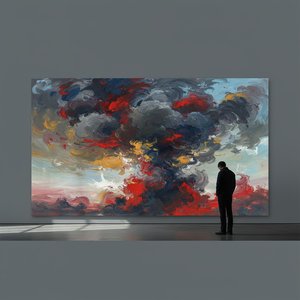
While seemingly devoid of recognizable imagery, *Composition Number 1* is rich in symbolic resonance. The dominant red hue evokes passion, energy, and perhaps even danger—reflecting the turbulent emotional landscape of the postwar era. However, beyond this immediate association, the interwoven patterns and textures suggest a deeper exploration of subconscious thought and instinct. Critics have interpreted the circular forms as representing wholeness and unity, juxtaposed against the fragmented splashes that symbolize disruption and transformation. Pollock himself acknowledged that he wasn’t consciously striving for specific meanings; rather, he sought to capture the essence of feeling itself—a testament to the power of abstract art to communicate emotion without resorting to literal depiction.Emotional Impact: An Invitation to Contemplate
Ultimately, *Composition Number 1* compels viewers to engage in a contemplative dialogue with the artwork. Its dynamic composition and vibrant color palette stimulate sensory perception, inviting contemplation on themes of spontaneity, process, and emotional intensity. The textured surface encourages tactile engagement—a reminder that art is not merely seen but felt. Reproductions of this iconic painting offer collectors and interior designers alike an opportunity to bring a piece of groundbreaking artistic history into their homes, fostering appreciation for Pollock’s revolutionary contribution to the canon of modern art.प्रश्न और उत्तर
क्या "Composition number 1" के लिए डाउनलोड उपलब्ध है?
"Composition number 1" के लिए डाउनलोड उपलब्ध है: कलाकृति का डाउनलोड करें पेज एक उच्च-रिज़ॉल्यूशन वाली डिजिटल इमेज डाउनलोड की सुविधा देता है।
"Composition number 1" को प्रिंट करने के लिए क्या सुझाव दिया जाता है - कौन सा आकार और कौन सा ओरिएंटेशन (orientation) सबसे अच्छा रहेगा?
Large आकार, Portrait ओरिएंटेशन: यह पॉल जैक्सन पोलक द्वारा "Composition number 1" के लिए सुझाई गई प्रिंट सेटिंग है।
पॉल जैक्सन पोलक द्वारा "Composition number 1" में क्या दर्शाया गया है?
पॉल जैक्सन पोलक द्वारा "Composition number 1" में मौजूद विषयों में color field painting, texture, dynamic composition, geometric shapes, red dominance, organic feel, experimental art शामिल हैं। ये मिलकर कलाकृति के विषय वस्तु का सार प्रस्तुत करते हैं।
समान कलाकृतियाँ


कलाकार का परिचय
प्रारंभिक जीवन और नवाचार के बीज
पॉल जैक्सन पोलक, जिनका जन्म 1912 में कोडी, व्योमिंग में हुआ था, शुरुआत से ही एक बेचैन आत्मा थे। उनका प्रारंभिक जीवन बार-बार होने वाले प्रवासों से चिह्नित था, क्योंकि उनके पिता अमेरिकी पश्चिम के विशाल परिदृश्यों में एक भूमि सर्वेक्षक के रूप में कार्य करते थे। इस घुमंतू जीवन ने युवा पोलक के भीतर प्राकृतिक दुनिया के साथ एक गहरा संबंध और विविध संस्कृतियों के प्रति संवेदनशीलता विकसित की, विशेष रूप से उन सर्वेक्षण यात्राओं के दौरान मूल अमेरिकी कला के साथ हुए अनुभवों के माध्यम से—ये वे प्रभाव थे जो जीवन के उत्तरार्ध में उनकी कलात्मक दृष्टि में सूक्ष्मता से समा गए। हालाँकि उन्होंने कभी भी स्पष्ट रूप से स्वदेशी शैलियों की नकल नहीं की, लेकिन इन प्रारंभिक अनुभवों की कच्ची ऊर्जा और आध्यात्मिक प्रतिध्वनि ने निस्संदेह अपनी छाप छोड़ी।
पोलक का औपचारिक कला प्रशिक्षण लॉस एंजिल्स के मैनुअल आर्ट्स हाई स्कूल में शुरू हुआ, जिसके बाद थॉमस हार्ट बेंटन के संरक्षण में न्यूयॉर्क की आर्ट स्टूडेंट्स लीग में अध्ययन हुआ। क्षेत्रीयतावादी (Regionalist) आंदोलन के एक प्रमुख व्यक्तित्व, बेंटन ने लयबद्ध संरचना और अमेरिकी जीवन में निहित कथात्मक विषयों पर जोर दिया। हालाँकि पोलक ने शुरुआत में इन पाठों को आत्मसात किया, लेकिन उनका स्वाभाविक झुकाव अधिक अमूर्त अन्वेशनों की ओर था। वे जोस क्लेमेंटे ओरोज्को जैसे मैक्सिकन भित्ति चित्रकारों से भी गहराई से प्रभावित थे, जिनके सामाजिक संघर्ष के शक्तिशाली चित्रण ने उन्हें भीतर तक झकझोर दिया था। इन प्रारंभिक प्रभावों ने एक आधार तैयार किया, लेकिन यह अतियथार्थवाद (Surrealism) की उभरती दुनिया ही थी जिसने वास्तव में पोलक की कलात्मक क्षमता के द्वार खोल दिए।
एक्शन पेंटिंग का जन्म और एक क्रांतिकारी तकनीक
1930 के दशक में पोलक ने पारंपरिक ब्रशवर्क के विकल्पों की तलाश में विभिन्न तकनीकों के साथ प्रयोग किए। उन्होंने पेंट को कैनवास पर उंडेलना शुरू किया, इसकी तरलता और अप्रत्याशित प्रकृति की खोज की। हालाँकि, यह लगभग 1947 की बात है जब उनके कलात्मक प्रक्षेपवक्र में एक क्रांतिकारी परिवर्तन आया। ईज़ल (easel) को पूरी तरह से त्यागकर, पोलक ने कैनवास को सीधे फर्श पर बिछा दिया, जिससे उस तकनीक की शुरुआत हुई जिसे बाद में उनकी "ड्रिप तकनीक" के रूप में जाना गया। इसके बाद वे ऊपर से कैनवास पर पेंट टपकाने, छिड़कने और फेंकने लगे, जिससे कलाकार, माध्यम और सतह के बीच एक गतिशील नृत्य का आयोजन हुआ।
यह केवल पेंट लगाने के बारे में नहीं था; यह सृजन की प्रक्रिया को जीवंत करने के बारे में था। पोलक के कैनवास शारीरिक अभिव्यक्ति के अखाड़े बन गए, जो उनके हाव-भाव और भावनाओं की तात्कालिकता को कैद करते थे। इसके परिणामस्वरूप बनी पेंटिंग्स अपनी "ऑल-ओवर" संरचना के लिए जानी जाती हैं—एक ऐसा केंद्रीय फोकस का अभाव जो दर्शक को ऊर्जा के एक एकीकृत क्षेत्र के रूप में पूरी सतह का अन्वेषण करने के लिए आमंत्रित करता है। रेखाओं और रंगों के जटिल जाल आपस में गुंथे हुए हैं, जो एक ऐसी दृश्य जटिलता पैदा करते हैं जो मंत्रमुग्ध करने वाली और चुनौतीपूर्ण दोनों है। उन्होंने पेंट को अप्रत्याशित तरीकों से नियंत्रित करने के लिए छड़ियों, चाकू और यहाँ तक कि सिरिंज जैसे अपरंपरागत उपकरणों का उपयोग किया, जिससे उनकी प्रक्रिया की सहज प्रकृति और भी स्पष्ट हो गई।
इस अभिनव दृष्टिकोण ने पोलक को उभरते हुए अमूर्त अभिव्यक्तिवाद (Abstract Expressionist) आंदोलन के एक केंद्रीय पात्र के रूप में स्थापित किया, जो द्वितीय विश्व युद्ध के बाद न्यूयॉर्क शहर में उभरा था। अमूर्त अभिव्यक्तिवाद ने सहज हाव-भाव, बड़े पैमाने और गैर-प्रतिनिधित्ववादी चित्रण को प्राथमिकता दी, जो पारंपरिक कलात्मक परंपराओं से दूर एक व्यापक सांस्कृतिक बदलाव को दर्शाता था। साथी कलाकार ली क्रास्नर के साथ उनका विवाह भी अत्यंत महत्वपूर्ण था; उन्होंने अटूट भावनात्मक समर्थन प्रदान किया और उनके कार्य की क्रांतिकारी प्रकृति को पहचानते हुए उनके कलात्मक विकास को सक्रिय रूप से प्रोत्साहित किया।
प्रतिष्ठित कृतियाँ और स्थायी विरासत
पोलक की सबसे प्रसिद्ध कृतियाँ—जैसे कि Number 1, 1950 (Lavender Mist), One: Number 31, 1950, Blue Poles: Number 11, 1952, और Convergence—उनकी क्रांतिकारी तकनीक के प्रमाण हैं। ये पेंटिंग्स केवल चित्र नहीं हैं; वे एक प्रदर्शन के रिकॉर्ड हैं, जो कलाकार की शारीरिक उपस्थिति और भावनात्मक तीव्रता से ओतप्रोत हैं। इन कैनवासों से निकलने वाली गतिशील ऊर्जा स्पष्ट रूप से महसूस की जा सकती है, जो दर्शकों को शुद्ध अमूर्तता की दुनिया में खींच लेती है।
उनकी शैली केवल सौंदर्यशास्त्र से परे है; यह उत्पाद के बजाय प्रक्रिया का एक अन्वेषण है। पोलक ने संरचना और प्रतिनिधित्व की पारंपरिक धारणाओं को खारिज करते हुए कैनवास पर अपने कार्यों और भावनाओं की तात्कालिकता को पकड़ने का प्रयास किया। उन्होंने जुंगियन मनोविज्ञान में गहराई से उतरते हुए, अपनी कला में आदिप्रारूपों (archetypes) और अवचेतन की खोज की, ताकि सार्वभौमिक प्रतीकों और आदिम ऊर्जाओं तक पहुँचा जा सके।
कला के इतिहास पर पोलक का प्रभाव अथाह है। उन्होंने मौलिक रूप से कलाकारों के पेंटिंग करने के तरीके को बदल दिया, ईज़ल-आधारित विधियों से मुक्त होकर एक अधिक प्रदर्शनकारी दृष्टिकोण को अपनाया। उनके कार्य ने आधुनिक कला के वैश्विक केंद्र के रूप में न्यूयॉर्क शहर की स्थिति को मजबूत करने में मदद की, जिससे ध्यान यूरोपीय प्रभुत्व से हटकर अमेरिका की ओर स्थानांतरित हुआ। उनका प्रभाव उन अनगिनत कलाकारों के काम में देखा जा सकता है जो उनके बाद आए, जिनमें कलर फील्ड पेंटिंग और अमूर्त अभिव्यक्तिवाद के बाद के रूपों से जुड़े कलाकार भी शामिल हैं।
हालाँकि शुरुआत में उन्हें मिश्रित प्रतिक्रियाओं का सामना करना पड़ा—कुछ आलोचकों ने उनके काम को अराजक या कौशल की कमी वाला कहकर खारिज कर दिया—लेकिन 1956 में 44 वर्ष की आयु में असामयिक मृत्यु के बाद पोलक की प्रतिष्ठा लगातार बढ़ती गई। आज, उन्हें 20वीं सदी के सबसे महत्वपूर्ण और प्रभावशाली कलाकारों में से एक के रूपता से सार्वभौमिक रूप से मान्यता प्राप्त है, एक ऐसे दूरदर्शी के रूप में जिन्होंने परंपराओं को चुनौती देने और कलात्मक अभिव्यक्ति की सीमाओं को फिर से परिभाषित करने का साहस किया। उनकी अभिनव तकनीकें और अभिव्यंजक शैली आज भी प्रेरित और उत्तेजित करती रहती हैं, जो आने वाली पीढ़ियों के लिए उनकी स्थायी विरासत सुनिश्चित करती हैं।

पॉल जैक्सन पोलक
1912 - 1956 , संयुक्त राज्य अमेरिका
संक्षिप्त जानकारी
- कला आंदोलन/शैली: अमूर्त अभिव्यंजनावाद
- किसके द्वारा प्रभावित: ['कलर फील्ड पेंटिंग']
- जन्म तिथि: 28 जनवरी 1912
- जन्म स्थान: कोडी, संयुक्त राज्य अमेरिका
- पूरा नाम: पॉल जैक्सन पोलॉक
- प्रभावित कलाकार:
- जोसे क्लेमेंटे ओरोस्को
- थॉमस हार्ट बेंटन
- प्रमुख कलाकृतियाँ:
- नंबर 1, 1950 (लैवेंडर मिस्ट)
- वन: नंबर 31, 1950
- मृत्यु तिथि: 11 अगस्त 1956
- राष्ट्रीयता: अमेरिकी
संबंधित लेखों की सूची

Kandinsky's Masterpieces: 25 Paintings That Define Abstract Art | AllPaintingsStore
Journey through Wassily Kandinsky's 25 most iconic abstract paintings. Explore his revolutionary use of color, form & spiritual expressionism. Find museum-quality Kandinsky reproductions and elevate your home decor with AllPaintingsStore.com. Discover all masterpieces on AllPaintingsStore.com!
Beyond Representation: Exploring the Emotional Landscape of Abstract Expressionism
Explore the profound emotional world of Abstract Expressionism with AllPaintingsStore. Discover key artists like Pollock & Rothko, learn about collecting, and find museum-quality reproductions to inspire your space.

मार्क रोथको की शीर्ष 25 कलाकृतियाँ: रंग, भावना और अमूर्तता का सफर | AllPaintingsStore
मार्क रोथको की शीर्ष 25 कलाकृतियों का अन्वेषण करें! अमूर्त अभिव्यक्तिवाद, रंग और भावना से भरी इन पेंटिंग्स के पीछे की कहानियाँ जानें। AllPaintingsStore.com पर उच्च-गुणवत्ता वाले कला प्रिंट और सजावट विचार खोजें।

Beyond the Lines: Mastering the High-Impact World of Contemporary Abstraction
Master the high-impact world of contemporary abstraction. Discover how bold colors, textures, and modern movements like Abstract Expressionism can transform your space with premium, high-energy art curated for the design-conscious professional.

अमूर्त अभिव्यंजनावाद: शीर्ष 10 कलाकृतियाँ जिन्होंने परिभाषित किया कला की दुनिया
अमूर्त अभिव्यंजनावाद की 10 उत्कृष्ट कृतियाँ जानें! पोलक, रोथको जैसे कलाकारों के अनूठे रंगों और भावनाओं का अनुभव करें। AllPaintingsStore.com पर कला इतिहास की गहराई में जाएँ और अपने घर के लिए अद्वितीय सजावट खोजें। ऑनलाइन संग्रह देखें!


