


 पूर्वावलोकन देखें
 साझा करें
 साझा करें
 विस्तृत विवरण
 मार्गदर्शिका

 डाउनलोड करें
 समान वस्तुएं
 एक्स-रे
 स्लाइड शो देखें
 प्रश्न और उत्तर
 आंकड़े
Fire at Full Moon


 पूरा देखें
गिक्ली / आर्ट प्रिंट
तेज़ उत्पादन और विभिन्न फिनिश विकल्पों के साथ म्यूजियम-क्वालिटी गिकली (giclée) या कैनवस प्रिंट। ( इस संग्रहणीय वस्तु की हाथ से बनी प्रतिकृति मंगवाएं डिजिटल इमेज पर स्विच करें)




P118B ₹10

P118H ₹10

P118W ₹10

P438Z ₹10

P508JH ₹12

P508YH ₹12

P805H ₹10

P805Z ₹10

P919BZ ₹10

P919G ₹10

P919XJ ₹10

P959ZH ₹10

P968JZ ₹12

W106C ₹8

W218G ₹10

W218JH ₹8

W218Y ₹10

W307PJ ₹10

W316G ₹10

W316PJ ₹8

W316Y ₹10

W398PJ ₹8

W4111J ₹10

W500HY ₹15

W500JH ₹15

W692G ₹12

W849H ₹8

W940BG ₹15

W953PJ ₹8




कलाकृति के मूल अनुपात से मेल खाने वाले हमारे पूर्व निर्धारित आकारों में से चुनें।

अपने फ्रेम या अपनी दीवार के अनुसार आवश्यक चौड़ाई और ऊंचाई दर्ज करें। प्रिंट को केवल काटा जा सकता है, चित्र से बड़ा कभी नहीं बनाया जा सकता, इसलिए अलग आकार का साइज चित्र का एक हिस्सा खो देता है। किसी भी चीज़ को प्रिंट करने से पहले हम आपकी स्वीकृति के लिए आपको एक डिजिटल मॉकअप भेजते हैं। इस पृष्ठ पर दिखाया गया चित्र वास्तविक कटिंग नहीं दिखाता है — केवल मॉकअप ही इसे दर्शाता है।
विश्वव्यापी डिलीवरी (), मानक 4/5 सप्ताह के बजाय मात्र 2 सप्ताह में। (6 नवमबर)

दुनिया भर में मुफ़्त एक्सप्रेस शिपिंग

उच्च गुणवत्ता वाला लिनेन कैनवास

पूर्ण शिपिंग बीमा

सीमा शुल्क और आयात कर वापसी की गारंटी

सटीक रंग मिलान की गारंटी

100 दिनों की वापसी नीति (केवल दोष होने पर)

100% पैसे वापसी की गारंटी

थोक छूट का अवसर
 ग्लास का विकल्प केवल 110 सेमी से कम आकार में ही उपलब्ध है।

Fire at Full Moon
गिक्ली / आर्ट प्रिंट
प्रतिकृति का आकार
-


कुल देय राशि
₹ 6297
A Night Ablaze: Decoding Paul Klee’s ‘Fire at Full Moon’
Paul Klee's 'Fire at Full Moon' is a captivating exploration of nocturnal energy and symbolic resonance, rendered in his signature geometric abstraction. This work, created sometime between 1879-1940, exemplifies Klee’s unique ability to blend influences from Expressionism, Cubism, and Surrealism into a deeply personal visual language.Subject & Style: A Fragmented Landscape of the Mind
The artwork presents a stylized night scene dominated by a large, radiant yellow circle – the full moon – juxtaposed with a striking red cross-like shape that suggests both flame and a symbolic marker. However, ‘Fire at Full Moon’ isn't a literal depiction; it’s a *constructed* reality. Klee employs a fragmented approach, building the image from numerous overlapping, angular blocks of varying sizes and shades. This geometric abstraction, reminiscent of Cubism, flattens perspective and creates a sense of visual tension. The style also echoes elements of Constructivism in its emphasis on structured forms and deliberate arrangement.Technique & Materials: Precision and Subtlety
Likely executed in oil on canvas, the painting showcases Klee’s masterful control of color and form. The smooth surface suggests a careful application of paint, with subtle blending that enhances the interplay between light and shadow. While seemingly random, the arrangement of shapes feels deliberate, guiding the viewer's eye across the composition. The dramatic contrast between the dark tones and bursts of bright color – particularly the moon’s yellow and the fire-like red – creates a powerful visual impact.Historical Context & Artistic Influences
Paul Klee was a pivotal figure in early 20th-century art. His time teaching at the Bauhaus school alongside Wassily Kandinsky profoundly shaped his artistic philosophy and approach to color theory, documented extensively in his influential *Paul Klee Notebooks*. ‘Fire at Full Moon’ reflects this intellectual rigor combined with a deeply intuitive sensibility. The work emerged during a period of significant social and political upheaval, which may have contributed to the sense of unease and fragmentation present in the composition.Symbolism & Interpretation: Layers of Meaning
The symbolism within ‘Fire at Full Moon’ is open to interpretation. The moon often represents intuition, dreams, and the subconscious, while fire can symbolize passion, destruction, or transformation. The cross-like shape could allude to spirituality, sacrifice, or even a distorted representation of human form. The fragmented nature of the artwork might reflect a sense of isolation, anxiety, or the breakdown of traditional structures. Ultimately, Klee invites viewers to engage with the work on a personal level and construct their own meaning.Emotional Impact & Aesthetic Appeal
‘Fire at Full Moon’ evokes a mood of quiet contemplation and melancholy. The dark palette and solitary elements create a sense of mystery and introspection. Despite its abstract nature, the painting possesses a compelling visual rhythm that draws the viewer in.- Its dynamic composition and striking color contrasts make it a captivating focal point for any space.
- The artwork’s intellectual depth and emotional resonance appeal to art lovers seeking more than just decorative beauty.
- For interior designers, ‘Fire at Full Moon’ offers a sophisticated and thought-provoking element that complements modern and contemporary aesthetics.
प्रश्न और उत्तर
पॉल क्ले द्वारा "Fire at Full Moon" के कलर पैलेट का वर्णन किस प्रकार किया गया है?
पॉल क्ले द्वारा "Fire at Full Moon" के रंग पैलेट का वर्णन Earthy के रूप में किया गया है। यह इस कृति के रंगों का एक संक्षिप्त विवरण है।
क्या पॉल क्ले द्वारा "Fire at Full Moon" एक पोर्ट्रेट, लैंडस्केप या वर्गाकार रचना है?
पॉल क्ले द्वारा "Fire at Full Moon" एक Landscape रचना है। प्रिंट का आकार चुनने से पहले इसके अनुपात की जांच करना उचित होगा।
मुझे पॉल क्ले द्वारा "Fire at Full Moon" के समान अन्य कलाकृतियाँ कहाँ मिल सकती हैं?
पॉल क्ले द्वारा "Fire at Full Moon" के समान कलाकृतियाँ इस कलाकृति के समान कलाकृतियाँ पृष्ठ पर उपलब्ध हैं।
समान कलाकृतियाँ


कलाकार की जीवनी
पॉल क्ले: रंग और कल्पना का एक जीवन
पॉल क्ले, जिनका नाम 20वीं सदी के कला जगत में एक अद्वितीय स्थान रखता है, एक ऐसे कलाकार थे जिन्होंने अपनी रचनाओं में खेल-भावना और गहन भावनात्मक गहराई का अद्भुत मिश्रण प्रस्तुत किया। 18 दिसंबर, 1879 को स्विट्जरलैंड के मुनचेनबुचसी में जन्मे, उनका कलात्मक सफर निरंतर खोज का रहा, जिसने अभिव्यक्तिवाद, घनत्ववाद (Cubism) और अतियथार्थवाद (Surrealism) से प्रभावित होकर एक विशिष्ट दृश्य भाषा बनाई। क्ले के पालन-पोषण ने कला के प्रति शुरुआती प्रशंसा को बढ़ावा दिया; उनके पिता, जो जर्मन संगीत शिक्षक थे, और उनकी मां, एक स्विस गायिका, ने उन्हें ध्वनिक और दृश्य सद्भाव दोनों के प्रति संवेदनशीलता प्रदान की। यह मूलभूत संबंध संगीत और चित्रकला के बीच एक परिभाषित विशेषता बन गया, न केवल उनकी रचना संबंधी दृष्टिकोण बल्कि कला को संगीत व्यवस्था के समान अमूर्त अभिव्यक्ति के रूप में समझने के उनके सैद्धांतिक दृष्टिकोण को भी आकार दिया। शुरुआत में रेखाचित्रों की ओर आकर्षित होने के बाद, क्ले ने यथार्थवादी प्रतिनिधित्व का पीछा छोड़ दिया, यह महसूस करते हुए कि यह भावनाओं और विचारों की आंतरिक दुनिया को व्यक्त करने में सीमित है जो उन्होंने व्यक्त करना चाहा था। 1898 से 1901 तक उन्होंने म्यूनिख के फाइन आर्ट्स अकादमी में दाखिला लिया, जो एक ऐसा दौर था जिसमें प्रयोग और उनकी अनूठी कलात्मक आवाज के विकास का प्रतीक था।कलात्मक दृष्टिकोण का निर्माण
क्ले के शुरुआती कार्यों में आर्ट नोव्यू और प्रतीकात्मकता (Symbolism) का प्रभाव दिखाई देता है, फिर भी इन ढांचों के भीतर भी, उनके भविष्य की शैली के संकेत उभरने लगे थे। उनके कलात्मक विकास का एक महत्वपूर्ण क्षण 1914 में ट्यूनीशिया की यात्रा था। उत्तरी अफ्रीका के तीव्र प्रकाश और जीवंत वातावरण ने उनके रंग के उपयोग को गहराई से प्रभावित किया, जिससे उन्हें सुस्त स्वरों से आगे बढ़कर बोल्डर, अधिक अभिव्यंजक पैलेट की ओर प्रेरित किया। इस अनुभव ने एक निर्णायक मोड़ चिह्नित किया, अमूर्तता के प्रति उनकी प्रतिबद्धता को मजबूत किया क्योंकि यह धारणा के सार को पकड़ने का साधन था, न कि केवल इसकी सतह के रूप में। वे ट्यूनीशिया को बस *देख* नहीं रहे थे; वे अपनी भावनात्मक प्रतिध्वनि को दृश्य रूप में अनुवाद कर रहे थे। इस दौरान, क्ले ने विभिन्न कलात्मक आंदोलनों के साथ संपर्क किया, उनके सिद्धांतों को आत्मसात करते हुए, फिर भी किसी भी एकल विचारधारा के पूर्ण पालन का विरोध करते हुए। संगीत में उनकी रुचि सर्वोपरि रही, और उन्होंने अक्सर पेंटिंग को एक संगीत रचना के समान प्रक्रिया के रूप में वर्णित किया - सामंजस्यपूर्ण संपूर्ण बनाने के लिए तत्वों की सावधानीपूर्वक व्यवस्था। यह संवेदी दृष्टिकोण उनकी रेखाओं की लयबद्ध गुणवत्ता, रंगों के नाजुक संतुलन और कई कार्यों में व्याप्त गति की समग्र भावना में स्पष्ट है।बाउहाउस और उससे आगे: समृद्धि का दौर
1931 से 1933 तक, क्ले ने वाल्टर ग्रोपियस द्वारा आमंत्रित किए जाने पर प्रभावशाली बाउहाउस स्कूल ऑफ आर्ट, डिजाइन और आर्किटेक्चर में एक शिक्षण पद स्वीकार किया। यह अवधि उनके कलात्मक विकास के लिए असाधारण रूप से फलदायी साबित हुई। नवोन्मेषी विचारकों और साथी कलाकारों से घिरे, उन्होंने एक ऐसे वातावरण में पनपा, जिसने प्रयोग और सैद्धांतिक जांच को प्रोत्साहित किया। इन वर्षों के दौरान उनके काम ने रंग सिद्धांत और औपचारिक संबंधों में गहराई से उतरते हुए, अमूर्त रूपों और भावनात्मक अभिव्यक्ति के बीच परस्पर क्रिया का पता लगाया। हालाँकि, यह रचनात्मक अभयारण्य नाजीवाद के उदय के साथ टूट गया। 1933 में, नाजियों द्वारा उनकी कला को "विकृत" घोषित किए जाने के कारण क्ले को बाउहाउस से निकाल दिया गया - राजनीतिक विचारधारा द्वारा कलात्मक स्वतंत्रता को दबाने के खतरों का एक भयावह प्रमाण। अपने स्वदेश स्विट्जरलैंड लौटने पर, उन्होंने पेंटिंग जारी रखी, लेकिन बढ़ते राजनीतिक उथल-पुथल और व्यक्तिगत कठिनाई की छाया में उनका स्वास्थ्य बिगड़ गया। इन चुनौतियों के बावजूद, क्ले अपनी कलात्मक दृष्टि के प्रति प्रतिबद्ध रहे, ऐसे कार्य तैयार करते हुए जो युग की चिंताओं को दर्शाते हैं और प्रतिकूलता से ऊपर उठने की कला में उनकी अटूट विश्वास का प्रमाण देते हैं।विषय, शैली और स्थायी विरासत
पॉल क्ले के काम को खेल-भावना और गहन चिंतन के मिश्रण से चिह्नित किया गया है। उन्होंने अक्सर बच्चों जैसी छवियों और सनकी रचनाओं का उपयोग किया, उन्हें प्रतीकात्मक अर्थ की कई परतों से भर दिया। उनके कला में बार-बार आने वाले विषयों में उद्यान, परिदृश्य, चित्र और अमूर्त व्यवस्थाएं शामिल हैं - प्रत्येक मानव अनुभव की जटिलताओं का पता लगाने के लिए एक माध्यम के रूप में काम कर रहा है। उनकी "पॉल क्ले नोटबुक," उनकी मृत्यु के बाद प्रकाशित हुईं, रंग और डिजाइन पर उनके व्यापक सैद्धांतिक जांचों में अमूल्य अंतर्दृष्टि प्रदान करती हैं, जो कलात्मक निर्माण के प्रति एक सावधान और बौद्धिक दृष्टिकोण को प्रकट करती हैं। वे बस पेंटिंग नहीं कर रहे थे; वे सद्भाव, संतुलन और भावनात्मक प्रतिध्वनि के सिद्धांतों पर आधारित एक दृश्य भाषा का निर्माण कर रहे थे। हममत, भाई-बहन, और एन ला कोरिएंट छह उंब्रेल्स उनके रंग और रूप में महारत का प्रदर्शन करने वाले कुछ उदाहरण हैं। पॉल क्ले की विरासत आज भी कलाकारों को प्रेरित करती है और दुनिया भर के दर्शकों को मोहित करती है। उन्हें 20वीं सदी के सबसे महत्वपूर्ण आंकड़ों में से एक माना जाता है, जो आकृतियों और अमूर्त अभिव्यक्ति के बीच की खाई को पाटते हैं और कला के दृश्य संस्कृति में अपने शाश्वत प्रासंगिकता को मजबूत करते हैं।संग्रहालय और आगे की खोज
- ज़ेंट्रम पॉल क्ले (बर्न): क्ले के कार्यों का दुनिया का सबसे बड़ा संग्रह है, जो उनके कलात्मक यात्रा का एक व्यापक अवलोकन प्रदान करता है।
- बर्न फाइन आर्ट्स संग्रहालय: पिकासो और होडलर जैसे अन्य आधुनिक स्वामी के साथ-साथ क्ले के महत्वपूर्ण टुकड़े प्रदर्शित करता है।
- कुन्स्टम्यूजियम बर्न: स्विट्जरलैंड का सबसे पुराना कला संग्रहालय, जिसमें क्ले और अन्य आधुनिक स्वामी के कार्यों सहित विविध संग्रह शामिल हैं।
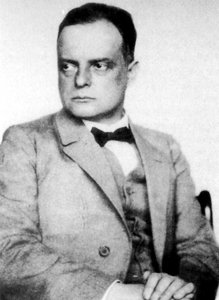
पॉल क्ले
1879 - 1940 , स्विट्जरलैंड
प्रमुख तथ्य
- कलात्मक शैली: अभिव्यक्तिवाद, घनवाद, अतियथार्थवाद
- जन्म तिथि: 18 दिसंबर 1879
- जन्म स्थान: म्यूनखेनबुचसी, स्विट्जरलैंड
- पूरा नाम: पॉल क्ले
- प्रभावित आंदोलन: ['आधुनिक कला']
- प्रभावित कलाकार: ['वासिली कैंडिंस्की']
- प्रमुख कलाकृतियाँ:
- हमामेट
- भाई-बहन
- एन ला कोरिएंट छह थ्रेसहोल्ड
- मृत्यु तिथि: 29 जून 1940
- राष्ट्रीयता: स्विस-जर्मन
संबंधित लेख

Cubism Explained: A Professional Guide to Geometric Abstraction for Modern Interior Design
Master the impact of Cubism in modern design. Our expert guide explores geometric abstraction, Picasso's legacy, and professional solutions for sourcing high-quality Cubist reproductions for hotels, corporate spaces, and luxury interiors.


