


 पूर्वावलोकन देखें
 साझा करें
 साझा करें
 विस्तृत विवरण
 मार्गदर्शिका

 डाउनलोड करें
 समान कलाकृतियाँ
 एक्स-रे
 स्लाइड शो देखें
 आंकड़े
Soldiers at Rest
 Acrylic On Canvas
- WallArt
- Northern Renaissance
 1556
1556- Renaissance
 33.0 x 44.0 cm
 पूरा देखें
हाथ से बनी ऑयल रिप्रोडक्शन
आपके आकार और फ्रेम के अनुसार कैनवास पर हाथ से बनी ऑयल पेंटिंग, हमारे कलाकारों द्वारा विशेष रूप से ऑर्डर पर तैयार। ( प्रिंट पर स्विच करें डिजिटल इमेज पर स्विच करें)




P118B $10

P118H $10

P118W $10

P438Z $10

P508JH $12

P508YH $12

P805H $10

P805Z $10

P919BZ $10

P919G $10

P919XJ $10

P959ZH $10

P968JZ $12

W106C $8

W218G $10

W218JH $8

W218Y $10

W307PJ $10

W316G $10

W316PJ $8

W316Y $10

W398PJ $8

W4111J $10

W500HY $15

W500JH $15

W692G $12

W849H $8

W940BG $15

W953PJ $8




कलाकृति के मूल अनुपात से मेल खाने वाले हमारे पूर्व निर्धारित आकारों में से चुनें।

आप किसी विशिष्ट फ्रेम या स्थान के अनुसार अपने स्वयं के आयाम (dimensions) दर्ज कर सकते हैं। यदि आपके द्वारा चुना गया आकार मूल छवि के अनुपात से मेल नहीं खाता है, तो हम कलाकृति को क्रॉप करेंगे या पेंटिंग में अतिरिक्त हाथ से चित्रित तत्व जोड़कर उसका विस्तार करेंगे। उत्पादन शुरू होने से पहले आपकी स्वीकृति के लिए एक डिजिटल मॉकअप भेजा जाएगा।
कृपया ध्यान दें कि स्क्रीन पर दिखने वाला पूर्वावलोकन वास्तविक क्रॉपिंग या विस्तार को नहीं दर्शाता है। केवल मॉकअप ही अंतिम रचना को सटीक रूप से दिखाएगा।
यद्यपि कस्टम आकार उपलब्ध हैं, फिर भी हम मूल अनुपात बनाए रखने के लिए पूर्व-निर्धारित सूची से आयाम चुनने की सलाह देते हैं।
ऑर्डर देने के बाद, AllPaintingsStore.com टीम निर्देशों के लिए क्लाइंट को ईमेल करेगी और एक मॉकअप प्रीव्यू प्रदान करेगी
विश्वव्यापी वितरण () मानक 5 सप्ताह के बजाय मात्र 3/4 सप्ताह में। (21 सितमबर)। गुणवत्ता से कोई समझौता नहीं।

दुनिया भर में मुफ़्त एक्सप्रेस शिपिंग

उच्च गुणवत्ता वाला लिनेन कैनवास

पूर्ण शिपिंग बीमा

सीमा शुल्क और आयात कर वापसी की गारंटी

सटीक रंग मिलान की गारंटी

100-दिन की वापसी नीति (केवल दोषपूर्ण होने पर)

100% पैसे वापसी की गारंटी

थोक छूट का लाभ
 ग्लास का विकल्प केवल 110 सेमी से कम आकार में ही उपलब्ध है।

Soldiers at Rest
प्रतिकृति की विधि
प्रतिकृति का आकार
-


कुल देय राशि
$ 283
A Window into 16th-Century Anxiety: Pieter Bruegel the Elder’s ‘Soldiers at Rest’
‘Soldiers at Rest’ (1556) by Pieter Bruegel the Elder is not a celebration of martial prowess, but rather a deeply contemplative and unsettling exploration of human existence amidst turmoil. This meticulously crafted engraving offers a poignant glimpse into the anxieties of 16th-century Europe, rendered with the masterful detail characteristic of the Northern Renaissance. Measuring 33 x 44 cm, this work is a testament to Bruegel’s ability to imbue even seemingly mundane scenes with profound symbolic weight.Subject and Composition: A Landscape of Weariness
The scene unfolds within a desolate landscape dominated by a large, gnarled tree – a recurring motif in Bruegel's work often symbolizing resilience but also decay. Beneath its branches, a group of soldiers are depicted not in heroic action, but in states of exhaustion and quiet desperation. Some appear lost in thought, others attend to basic tasks with a weary resignation. The background reveals rolling hills, distant mountains, and a small village, offering a sense of vastness that simultaneously emphasizes the isolation of the figures. The composition is deliberately complex and layered, drawing the viewer’s eye through multiple focal points and creating a feeling of unease.Style and Technique: Echoes of Bosch and Bruegel's Innovation
Bruegel’s style in ‘Soldiers at Rest’ clearly demonstrates his debt to earlier masters like Hieronymus Bosch and Pieter Bruegel the Elder, particularly in its detailed realism and fantastical elements. However, he moves beyond mere imitation, forging a unique artistic voice. The engraving technique itself is remarkable: lines are incised with incredible precision into the copperplate, creating sharp edges, intricate textures, and a rich tonal range. Hatching and cross-hatching skillfully simulate wood grain, stone, and foliage, adding depth and realism to the scene. While perspective is employed, it’s not entirely consistent, contributing to the slightly unsettling atmosphere.Historical Context: A Time of Conflict
Created in 1556, ‘Soldiers at Rest’ reflects a period of significant upheaval in the Netherlands. The region was embroiled in religious and political conflict under Spanish rule. While not explicitly depicting a specific battle or event, the engraving captures the pervasive sense of anxiety and uncertainty that characterized the era. Bruegel often subtly commented on the social and political issues of his time, and this work can be seen as a reflection of the human cost of war and unrest.Symbolism and Emotional Impact: Mortality and Transience
The symbolism within ‘Soldiers at Rest’ is layered and open to interpretation. The desolate landscape, the weary soldiers, and the gnarled tree all contribute to a sense of mortality and decay. The scene evokes themes of human suffering, the transience of life, and the inevitability of death. It's not a glorification of war but a stark portrayal of its psychological toll. The overall emotional impact is one of melancholy and quiet contemplation – a powerful reminder of the fragility of existence.For Collectors & Designers: A Timeless Masterpiece
‘Soldiers at Rest’ offers a compelling subject matter for both art collectors and interior designers. Its somber palette and intricate detail lend themselves well to a variety of settings, adding depth and intellectual weight to any space. A high-quality reproduction of this engraving would serve as a striking focal point, sparking conversation and inviting viewers to contemplate its enduring themes. The work’s historical significance and artistic merit ensure its continued relevance for generations to come.संबद्ध कलाकृतियाँ




कलाकार का जीवन परिचय
Pieter Bruegel the Elder: Renaissance Master of Landscapes and Peasant Life
Pieter Bruegel the Elder stands as a towering figure in Flemish Renaissance art, recognized globally for his groundbreaking landscapes and vivid depictions of rural life—a realm where humor mingled with solemn reflection. Born around 1525/1530, likely in Breda (now Netherlands), amidst the turbulent religious landscape of Brabant, Bruegel’s formative years instilled within him a profound appreciation for observation and an unwavering commitment to portraying the human experience with startling honesty. His artistic journey commenced approximately 1545 as an apprentice under Pieter Coecke van Aelst, a celebrated Antwerp painter distinguished not only by his artistic prowess but also by his inventive designs for tapestries—a collaboration that profoundly shaped Bruegel’s artistic sensibilities and exposed him to the humanist currents reshaping intellectual circles.Early Influences and Artistic Training
Coecke van Aelst's workshop served as a crucible where traditional techniques confronted emerging ideas, fostering Bruegel’s burgeoning talent in oil painting and drawing. While Coecke’s style leaned toward Italianate grandeur—characterized by opulent colors and idealized forms—Bruegel absorbed these influences while simultaneously cultivating his own distinctive artistic voice. This formative period instilled within him a meticulous attention to detail and an understanding of compositional principles that would underpin his later masterpieces. Notably, Bruegel's apprenticeship coincided with the burgeoning humanist movement, which championed reason and empirical observation as pathways to knowledge—values that resonated deeply with Bruegel’s intellectual curiosity and fueled his artistic explorations.Wanderings Through Italy and Beyond: Expanding Horizons
Following his apprenticeship, Bruegel embarked on extensive travels throughout Europe between 1551 and 1553, traversing France, Switzerland, and Italy—a journey that irrevocably broadened his artistic horizons. During his time in Italy, he encountered the monumental works of Renaissance titans like Leonardo da Vinci and Michelangelo, absorbing their stylistic innovations and grappling with their philosophical concepts. However, Bruegel’s artistic temperament remained firmly rooted in Northern European tradition—he didn't merely emulate Italian styles but rather transformed them through a lens of personal vision. The Alps captivated his imagination, influencing the dramatic vistas and atmospheric perspective found in numerous landscapes—a testament to his ability to synthesize disparate influences into a cohesive aesthetic expression.The Birth of a Unique Artistic Vision: Landscapes and Peasant Life
Bruegel’s true genius resided in his subject matter—he boldly departed from the conventions of Renaissance painting, which often prioritized religious iconography or classical mythology. Instead, he turned his gaze toward the everyday lives of ordinary people—peasants laboring diligently in fields, villagers celebrating festive occasions with exuberant abandon, and hunters traversing snowy landscapes with unwavering determination. This wasn’t a rejection of established artistic traditions but rather an elevation of the mundane to the level of sublime art—a daring assertion that challenged prevailing aesthetic norms and cemented Bruegel's reputation as a pioneer of realism. His landscapes weren’t merely scenic backgrounds; they were active participants in narrative unfolding, imbued with symbolic resonance and reflecting a profound understanding of nature’s power and beauty.A Legacy Enduring Through Centuries: Influence and Recognition
Pieter Bruegel the Elder’s influence on subsequent generations of artists is undeniable—he served as an inspiration for painters like Isaac van Ostade and Adriaen Brouwer, who embraced his distinctive style and championed his portrayal of peasant life with unwavering conviction. Furthermore, Bruegel's innovative approach to landscape painting paved the way for developments in genre art throughout the Low Countries and beyond—demonstrating his enduring legacy as a visionary artist whose work continues to captivate audiences worldwide. His masterful use of chiaroscuro—the dramatic interplay of light and shadow—created depth, realism, and emotional intensity within his compositions—a technique that would become synonymous with Northern Renaissance painting. Bruegel’s artistic output spanned decades, culminating in a prolific oeuvre encompassing over 150 paintings—a testament to his unwavering dedication to craft and his profound engagement with the human condition. He died peacefully in Brussels in 1569 at the relatively young age of forty-three, leaving behind an indelible mark on art history as one of its most innovative and celebrated figures—a painter whose vision continues to resonate across time periods.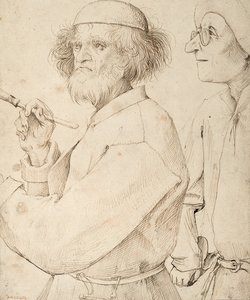
पीटर ब्रुएगेल द एल्डर
1525 - 1569 , नीदरलैंड
मुख्य तथ्य
- Artistic Movement Or Style: पुरातन कला
- Artists Who Influenced This Artist:
- इसाक वान ओस्टाडे
- हेरोनिमस बोश
- Date Of Birth: c. 1525
- Date Of Death: 1569
- Full Name: Pieter Bruegel the Elder
- Nationality: फlemish
- Notable Artworks:
- भूमिगत चित्र
- मृत्यु का विजय
- paysans का विवाह
- Place Of Birth: Breda, Netherlands
संबंधित लेख

उत्तरी पुनर्जागरण के शीर्ष 10 कलाकृतियाँ: सुंदरता और नवीनता का संगम | AllPaintingsStore
उत्तरी पुनर्जागरण की 10 उत्कृष्ट कलाकृतियाँ! वान आइक, ड्यूरर जैसे महान कलाकारों के अद्भुत कार्यों का अन्वेषण करें। कला इतिहास और सौंदर्य का अनुभव करें। AllPaintingsStore.com पर संग्रहालय-गुणवत्ता वाले प्रिंट खोजें!

वियना के कुन्स्टहिस्टोरिश्ेस संग्रहालय की 25 उत्कृष्ट कलाकृतियाँ | AllPaintingsStore
वियना के कुन्स्टहिस्टोरिश्ेस संग्रहालय की 25 सर्वश्रेष्ठ कलाकृतियों का अन्वेषण करें! रेफ़ेल, रिमब्रांद्ट और वर्मीर जैसे कलाकारों की उत्कृष्ट कृतियाँ देखें। घर के लिए प्रेरणादायक कला प्रिंट और प्रतिकृतियां खोजें। AllPaintingsStore.com पर संपूर्ण संग्रह देखें।

रोमांटिक कला: 10 उत्कृष्ट लैंडस्केप कृतियाँ जो परिभाषित करती हैं | AllPaintingsStore
रोमांटिक लैंडस्केप पेंटिंग की 10 उत्कृष्ट कृतियाँ! जानें कैस्पर डेविड फ्रेडरिक, टर्नर जैसे कलाकारों के बारे में और कला के इतिहास को समझें। AllPaintingsStore.com पर उच्च गुणवत्ता वाले आर्ट रिप्रोडक्शन और सजावट के विचार खोजें।

Engraving's Golden Age: 10 Masterpieces That Redefined Art | AllPaintingsStore
Journey through art history with our Top 10 Legendary Engravings! Explore masterpieces by Dürer, Rembrandt & Goya. Discover the stories behind these iconic prints and find museum-quality reproductions for your home at AllPaintingsStore.com.

Pieter Bruegel the Elder: A Master of Genre, Landscape & Social Commentary
Explore the life & art of Pieter Bruegel the Elder, a pivotal figure of the Renaissance. Discover his groundbreaking genre scenes, symbolic landscapes, and lasting influence on art history. Learn more at AllPaintingsStore.


