![Stanze Vaticane - The School Of Athens (detail) [03] — राफेल](/media-resize/960/artworks/images-full/a2/d5/a2d52a9b442273ed77ac0316978acb21.jpg.webp)
 पूर्वावलोकन देखें
 साझा करें
 साझा करें
 विस्तृत विवरण
 मार्गदर्शिका

 डाउनलोड करें
 समान कलाकृतियाँ
 एक्स-रे
 स्लाइड शो देखें
 आंकड़े
Stanze Vaticane - The School of Athens (detail) [03]


 पूरा देखें
हाथ से बनी ऑयल रिप्रोडक्शन
आपके आकार और फ्रेम के अनुसार कैनवास पर हाथ से बनी ऑयल पेंटिंग, हमारे कलाकारों द्वारा विशेष रूप से ऑर्डर पर तैयार। ( प्रिंट पर स्विच करें डिजिटल इमेज पर स्विच करें)




P118B $10

P118H $10

P118W $10

P438Z $10

P508JH $12

P508YH $12

P805H $10

P805Z $10

P919BZ $10

P919G $10

P919XJ $10

P959ZH $10

P968JZ $12

W106C $8

W218G $10

W218JH $8

W218Y $10

W307PJ $10

W316G $10

W316PJ $8

W316Y $10

W398PJ $8

W4111J $10

W500HY $15

W500JH $15

W692G $12

W849H $8

W940BG $15

W953PJ $8




कलाकृति के मूल अनुपात से मेल खाने वाले हमारे पूर्व निर्धारित आकारों में से चुनें।

आप किसी विशिष्ट फ्रेम या स्थान के अनुसार अपने स्वयं के आयाम (dimensions) दर्ज कर सकते हैं। यदि आपके द्वारा चुना गया आकार मूल छवि के अनुपात से मेल नहीं खाता है, तो हम कलाकृति को क्रॉप करेंगे या पेंटिंग में अतिरिक्त हाथ से चित्रित तत्व जोड़कर उसका विस्तार करेंगे। उत्पादन शुरू होने से पहले आपकी स्वीकृति के लिए एक डिजिटल मॉकअप भेजा जाएगा।
कृपया ध्यान दें कि स्क्रीन पर दिखने वाला पूर्वावलोकन वास्तविक क्रॉपिंग या विस्तार को नहीं दर्शाता है। केवल मॉकअप ही अंतिम रचना को सटीक रूप से दिखाएगा।
यद्यपि कस्टम आकार उपलब्ध हैं, फिर भी हम मूल अनुपात बनाए रखने के लिए पूर्व-निर्धारित सूची से आयाम चुनने की सलाह देते हैं।
ऑर्डर देने के बाद, AllPaintingsStore.com टीम निर्देशों के लिए क्लाइंट को ईमेल करेगी और एक मॉकअप प्रीव्यू प्रदान करेगी
विश्वव्यापी वितरण () मानक 5 सप्ताह के बजाय मात्र 3/4 सप्ताह में। (21 सितमबर)। गुणवत्ता से कोई समझौता नहीं।

दुनिया भर में मुफ़्त एक्सप्रेस शिपिंग

उच्च गुणवत्ता वाला लिनेन कैनवास

पूर्ण शिपिंग बीमा

सीमा शुल्क और आयात कर वापसी की गारंटी

सटीक रंग मिलान की गारंटी

100-दिन की वापसी नीति (केवल दोषपूर्ण होने पर)

100% पैसे वापसी की गारंटी

थोक छूट का लाभ
 ग्लास का विकल्प केवल 110 सेमी से कम आकार में ही उपलब्ध है।

Stanze Vaticane - The School of Athens (detail) [03]
प्रतिकृति की विधि
प्रतिकृति का आकार
-


कुल देय राशि
$ 258
A Celebration of Human Reason: Exploring Raphael's "The School of Athens"
Within the Vatican Palace’s Stanze di Raffaello, amidst frescoes that redefine Renaissance grandeur, lies “The School of Athens,” a work not merely painted but envisioned—a testament to human intellect and the enduring quest for knowledge. Created by Raphael (Raffaello Sanzio da Urbino) between 1509 and 1511, this fresco isn't just a depiction; it’s an embodiment of the High Renaissance ideal: a harmonious blend of classical philosophy, artistic innovation, and papal patronage. Commissioned by Pope Julius II for the Stanza della Segnatura (the Room of Signature), it served as a visual representation of the room’s purpose—a space dedicated to receiving dignitaries and conducting important state affairs, reflecting the power and wisdom of the papacy. The very act of placing this celebration of ancient thought within the Vatican underscored a deliberate embrace of classical learning alongside Christian faith, a hallmark of Renaissance humanism.A Gathering of Giants: Philosophers and Their Ideas
The fresco’s composition is breathtaking in its ambition. Imagine stepping into a vast, imagined architectural space—a harmonious blend of Roman arches, Corinthian columns, and vaulted ceilings that seem to stretch endlessly upward. Within this grand setting, Raphael has meticulously arranged a gathering of the most influential philosophers, mathematicians, and scientists from antiquity. At the very center stand Plato and Aristotle, figures whose philosophies shaped Western thought for millennia. Plato, gesturing upwards towards the realm of ideal forms, embodies abstract reasoning and theoretical inquiry. Beside him, Aristotle, with his hand extended downwards toward the earth, represents empirical observation and a focus on the tangible world—a visual embodiment of their differing approaches to understanding reality. Surrounding them are other luminaries: Pythagoras, absorbed in mathematical calculations; Euclid, demonstrating geometric principles; Heraclitus, lost in contemplative thought; and countless others, each rendered with distinct personalities and postures that hint at their individual contributions to human knowledge. It’s a vibrant tableau of intellectual discourse, capturing the dynamism of philosophical debate and the shared pursuit of truth. Raphael cleverly incorporated contemporary figures into this classical scene—himself is believed to be among the onlookers, alongside Leonardo da Vinci as Heraclitus, adding another layer of intrigue and self-awareness to the composition.Mastery of Perspective and Artistic Technique
Raphael’s technical skill elevates “The School of Athens” beyond a mere historical depiction. The fresco's architectural setting is a marvel of perspective, creating an illusion of depth and spaciousness that draws the viewer into the scene. His masterful use of light and shadow sculpts the figures, lending them volume and realism while simultaneously enhancing the grandeur of the surrounding architecture. Raphael’s color palette—rich blues, warm golds, and earthy tones—creates a sense of harmony and balance, reflecting the Renaissance ideal of classical beauty. The fresco technique itself, painting directly onto wet plaster, demanded incredible precision and speed; Raphael's ability to execute such a complex composition with this demanding medium is a testament to his extraordinary talent. He drew inspiration from earlier masters like Leonardo da Vinci and Michelangelo, but ultimately forged his own distinct style—characterized by clarity, grace, and an unparalleled understanding of human anatomy and expression.Symbolism and Enduring Legacy
Beyond its aesthetic beauty, “The School of Athens” is rich in symbolism. The very act of bringing together these great thinkers represents the Renaissance’s rediscovery and celebration of classical learning. The architectural setting—a fusion of Roman and Greek elements—symbolizes the continuity between antiquity and the Renaissance. The central figures of Plato and Aristotle embody the fundamental tension between theory and practice, idealism and realism—a philosophical debate that continues to resonate today. The fresco's enduring legacy lies in its ability to inspire awe and contemplation. It serves as a powerful reminder of humanity’s capacity for reason, creativity, and intellectual exploration. “The School of Athens” isn’t just a painting; it is an invitation to engage with the great ideas that have shaped our world—a timeless celebration of human potential.संबद्ध कलाकृतियाँ


![Stanze Vaticane - The School Of Athens (detail) [08] — राफेल, Renaissance](/media/artworks/images-thumb/6c/b3/6cb3f1285155086a03ef9e38aadda04f.jpg)


![Stanze Vaticane - The School Of Athens (detail) [05] — राफेल, Renaissance](/media/artworks/images-thumb/ca/a9/caa9f9be8f76fbc617e906bfcb543fad.jpg)

कलाकार का जीवन परिचय
राफेल: पुनर्जागरण के सौंदर्य का प्रतीक
रफाएल, जिनका असली नाम राफेल सान्ज़ियो दा उरबीनो था, इतालवी कला इतिहास में एक अद्वितीय स्थान रखते हैं। 1483 में उरबीनो शहर में जन्मे राफेल ने अपनी कम उम्र में ही कला की दुनिया में क्रांति ला दी। उरबीनो, उस समय कला और संस्कृति का केंद्र था, जहाँ ड्यूक फेडरिको दा मोंटेफेल्ट्रो के संरक्षण में कलाकारों को फलने-फूलने का अवसर मिला था। उनके पिता जियोवानी सान्ती भी एक चित्रकार थे और उन्होंने राफेल को शुरुआती प्रशिक्षण दिया। बचपन से ही राफेल की प्रतिभा स्पष्ट थी, लेकिन उनके जीवन में एक महत्वपूर्ण मोड़ तब आया जब 11 साल की उम्र में उनके पिता की मृत्यु हो गई। इस घटना ने उन्हें परिवार के व्यवसाय को संभालने और अपनी कलात्मक कौशल को विकसित करने के लिए प्रेरित किया।
पिएत्रो पेरुगिनो से फ्लोरेंस तक: कलात्मक विकास
अपनी प्रारंभिक शिक्षा के बाद, राफेल पिएत्रो पेरुगिनो के अधीन प्रशिक्षु बने। पेरुगिनो के मार्गदर्शन में, उन्होंने उम्ब्रिया शैली की बारीकियों को सीखा, जो अपनी कोमल मॉडलिंग, सामंजस्यपूर्ण रचनाओं और शांत धार्मिक दृश्यों के लिए जानी जाती है। हालांकि, राफेल की जिज्ञासा उन्हें नई चुनौतियों की तलाश करने और अपने कलात्मक क्षितिज का विस्तार करने के लिए प्रेरित करती रही। 1504 में, उन्होंने फ्लोरेंस की यात्रा की, जो उस समय कलात्मक नवाचारों से भरा हुआ था। वहाँ, उन्होंने लियोनार्डो दा विंची और माइकल एंजेलो जैसे महान कलाकारों के कार्यों को देखा और उनसे प्रेरणा ली। लियोनार्डो की स्फुमाटो तकनीक, जिसमें प्रकाश और छाया के सूक्ष्म ग्रेडेशन का उपयोग किया जाता है, और माइकल एंजेलो की शक्तिशाली शारीरिक सटीकता और नाटकीय रचनाएँ राफेल के कलात्मक विकास में महत्वपूर्ण भूमिका निभाते हैं। फ्लोरेंस में बिताया गया समय राफेल के लिए एक परिवर्तनकारी अनुभव था, जिसने उन्हें अपनी अनूठी शैली विकसित करने में मदद की।
रोम में विजय: कमीशन और उत्कृष्ट कृतियाँ
1508 में, पोप जूलियस द्वितीय ने राफेल को रोम बुला लिया, जो उनके करियर का एक महत्वपूर्ण मोड़ साबित हुआ। रोम में, उन्हें कला के भव्य कार्यों को करने का अवसर मिला, जिससे उन्होंने वैटिकन के पैलेस की दीवारों को शानदार भित्ति चित्रों से सजाया। "स्कूल ऑफ एथेंस", उनकी सबसे प्रसिद्ध कृतियों में से एक है, जो मानव तर्क और ज्ञान की खोज का जश्न मनाता है। इस भित्ति चित्र में, राफेल ने प्लेटो, अरस्तू, पाइथागोरस और यूक्लिड जैसे प्राचीन काल के महान दार्शनिकों को एक साथ चित्रित किया है। उन्होंने बाद में पोप लियो एक्स के लिए भी कई महत्वपूर्ण परियोजनाएँ कीं, जिनमें स्टैंजा डेला सेग्नाटुरा और स्टैंजा डी'एलियोडोरो का अलंकरण शामिल था। राफेल के रोम के भित्ति चित्र न केवल सजावटी हैं, बल्कि वे पोप शक्ति, धार्मिक विश्वासों और पुनर्जागरण के आदर्शों पर गहन विचार व्यक्त करते हैं।
सौंदर्य और भव्यता का संश्लेषण: राफेल की कलात्मक शैली
राफेल की कलात्मक शैली को अक्सर सौंदर्य, स्पष्टता और आदर्शित सुंदरता के सामंजस्यपूर्ण मिश्रण के रूप में वर्णित किया जाता है। उनके पास रचनाओं की योजना बनाने की असाधारण क्षमता थी, जो पुनर्जागरण सिद्धांतों की गहरी समझ को दर्शाती है। उनकी आकृतियाँ शांत गरिमा और भावनात्मक अभिव्यक्ति का संचार करती हैं, जो मानव पूर्णता के मानवतावादी आदर्श को मूर्त रूप देती हैं। वे एक कुशल रंगज्ञ भी थे, जिन्होंने समृद्ध, चमकदार रंगों का उपयोग करके ऐसे कार्य बनाए जो न केवल नेत्रहीन आकर्षक हैं बल्कि बौद्धिक रूप से उत्तेजक भी हैं। माइकल एंजेलो की अक्सर नाटकीय और अशांत शैली के विपरीत, राफेल के कार्यों में शांति और सद्भाव की भावना है - एक ऐसी गुणवत्ता जिसने सदियों से दर्शकों को मोहित किया है।
विरासत और स्थायी प्रभाव
राफेल की असामयिक मृत्यु 1520 में मात्र 37 वर्ष की आयु में हुई, लेकिन उनकी विरासत कला इतिहास के सबसे महत्वपूर्ण आंकड़ों में से एक के रूप में जीवित रही। उनके कार्यों ने उच्च पुनर्जागरण सौंदर्यशास्त्र का आधार बनाया, जो पीढ़ियों के कलाकारों के लिए एक मॉडल बन गए। राफेल का प्रभाव अनगिनत कार्यों में देखा जा सकता है, जिससे पश्चिमी कला पर उनका स्थायी प्रभाव स्थापित हो गया है। उनकी कृतियाँ आज भी दर्शकों को आश्चर्य और प्रशंसा से भर देती हैं, अपनी तकनीकी प्रतिभा, भावनात्मक गहराई और चिरस्थायी अपील के साथ। वे वास्तव में पुनर्जागरण के एक महान स्वामी थे - एक चित्रकार जिन्होंने न केवल अपने विषयों की शारीरिक समानता को कैद किया बल्कि मानव गरिमा और सौंदर्य का सार भी दर्शाया।

राफेल
1483 - 1520 , इटली
मुख्य तथ्य
- कलात्मक शैली: उच्च पुनर्जागरण
- जन्म तिथि: 28 मार्च 1483
- जन्म स्थान: उर्बाइनो, इटली
- पूरा नाम: रफ़ेल (राffaएलो सांजियो)
- प्रभावित आंदोलन: ['नवशास्त्रीय चित्रकला']
- प्रभावित कलाकार:
- लियोनार्डो दा विंची
- मिकेलेंजो
- प्रमुख कलाकृतियाँ:
- एथेंस का विद्यालय
- सिस्टिन मैडोना
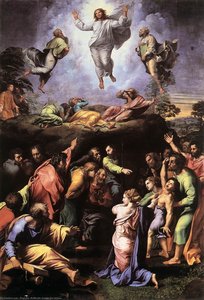
- द ट्रांसफिग्रेशन
- मृत्यु तिथि: 6 अप्रैल 1520
- राष्ट्रीयता: इतालवी
संबंधित लेख

Fresco Art Guide: Mastering the Timeless Technique of Wall Painting for Luxury Interior Design
Master the art of fresco for luxury hospitality design. Explore technical insights into historical wall painting and discover how professional-grade, large-scale reproductions can elevate hotel interiors with timeless Renaissance elegance.

The Barbizon School: A Professional Guide to Naturalism and Landscape Mastery for Interior Designers
Explore the Barbizon School's mastery of naturalism. An expert guide for hotel designers and procurement managers on sourcing high-quality landscape reproductions to elevate hospitality and corporate interiors with authentic, large-scale fine art solutions.