- होमपेज

- कैनवस पर प्रिंट हेतु
- सैंड्रो बोतिचेली
- Purgatory

 पूर्वावलोकन देखें
 साझा करें
 साझा करें
 विस्तृत विवरण

 डाउनलोड करें
 समान कलाकृतियाँ
 एक्स-रे
 स्लाइड शो देखें
Purgatory

 पूरा देखें
गिक्ली / आर्ट प्रिंट
तेज़ उत्पादन और विभिन्न फिनिश विकल्पों के साथ म्यूजियम-क्वालिटी गिकली (giclée) या कैनवस प्रिंट। ( हाथ से बनी पेंटिंग पर स्विच करें इमेज पर बदलें)




































कलाकृति के मूल अनुपात से मेल खाने वाले हमारे पूर्व निर्धारित आकारों में से चुनें।

आप किसी विशिष्ट फ्रेम या स्थान के अनुसार अपने स्वयं के आयाम (dimensions) दर्ज कर सकते हैं। यदि आपके द्वारा चुना गया आकार मूल छवि के अनुपात से मेल नहीं खाता है, तो हम कलाकृति को क्रॉप कर देंगे या मिरर किए गए या सॉलिड-फिल किनारे के साथ छवि का विस्तार करेंगे। उत्पादन शुरू होने से पहले आपकी स्वीकृति के लिए एक डिजिटल मॉकअप भेजा जाएगा।
कृपया ध्यान दें कि स्क्रीन पर दिखने वाला प्रीव्यू वास्तविक क्रॉपिंग या विस्तार को नहीं दर्शाता है। केवल मॉकअप ही अंतिम संरचना को सटीक रूप से दिखाएगा।
हालाँकि कस्टम आकार उपलब्ध हैं, फिर भी हम मूल अनुपात बनाए रखने के लिए पूर्व-निर्धारित सूची में से एक आयाम चुनने की सलाह देते हैं।
विश्वव्यापी डिलीवरी (), मानक 4/5 सप्ताह के बजाय मात्र 2 सप्ताह में। (3 अगस्त)

दुनिया भर में मुफ़्त एक्सप्रेस शिपिंग

उच्च गुणवत्ता वाला लिनेन कैनवास

पूर्ण शिपिंग बीमा

सीमा शुल्क और आयात कर वापसी की गारंटी

सटीक रंग मिलान की गारंटी

60-दिन की वापसी नीति (केवल दोषों के लिए)

100% पैसे वापसी की गारंटी

थोक छूट का लाभ
 ग्लास का विकल्प केवल 110 सेमी से कम आकार में ही उपलब्ध है।

Purgatory
गिक्ली / आर्ट प्रिंट
प्रतिकृति का आकार
-


कुल देय राशि
$ 64
संग्रहणीय वस्तु का विवरण
Botticelli's Vision of Purgatory: A Detailed Study
The preparatory drawing for Botticelli’s depiction of Purgatory stands as a remarkable testament to the artist’s meticulous observation and masterful execution—a window into the creative process behind one of Renaissance art’s most iconic images. Executed in pen and ink on paper, this study transcends mere technical demonstration; it embodies Botticelli's signature style, infused with humanist ideals and steeped in theological contemplation. It offers invaluable insight into how he envisioned Dante Alighieri’s harrowing journey through the afterlife, capturing not just the visual elements but also the profound spiritual atmosphere of purgatorial torment.Composition and Spatial Arrangement
Botticelli’s compositional strategy prioritizes conveying a sense of hierarchy and movement within the confines of a relatively small surface area. The drawing depicts Purgatory as a layered landscape—a tiered structure ascending towards heaven—populated by figures engaged in various stages of purification. At the uppermost level, a group of saints observes the scene below, symbolizing divine judgment and guiding souls toward salvation. Central to the composition is a monumental edifice adorned with intricate architectural details, representing purgatorial purgatories where penitents confront their sins and strive for redemption. Below this dominant structure sprawl undulating plains populated by tormented souls—a chaotic yet purposeful arrangement designed to communicate the arduous process of spiritual cleansing. The artist skillfully utilizes perspective to create depth and convey the overwhelming scale of purgatory’s expanse.Technique: Linearity and Shading – Botticelli's Signature Style
Botticelli’s technique is characterized by an unwavering commitment to linear precision—a hallmark of Florentine disegno, or drawing—combined with subtle shading to achieve remarkable realism. The artist employs hatching and cross-hatching extensively to render form and volume, capturing the textures of drapery, stone, and flesh with astonishing accuracy. Fine lines delineate anatomical features and clothing folds, demonstrating Botticelli’s profound understanding of human anatomy gleaned from his studies at Vesuvian Medical School. Furthermore, he skillfully manipulates tonal variations—ranging from pale grey to darker shades—to simulate light and shadow, creating a palpable sense of atmosphere and conveying the emotional intensity of the scene. The meticulous attention to detail reflects Botticelli's belief in disegno as the foundation for painting, ensuring that any subsequent fresco would possess an unparalleled level of expressive power.Historical Context: Dante’s Inferno and Renaissance Theology
Botticelli’s drawing emerged from a fervent intellectual climate dominated by Dante Alighieri’s *Inferno*, published in 1308—a seminal work of medieval literature that profoundly influenced artistic sensibilities. Dante's depiction of Hell captivated the imagination of artists and intellectuals alike, prompting them to explore themes of morality, sin, and divine retribution. Botticelli’s commission to depict Purgatory for Lorenzo de Medici—the Magnificent—underscored the importance of humanist ideals within Florentine culture. The Renaissance preoccupation with classical antiquity fueled a renewed interest in human anatomy and proportion, informing Botticelli's artistic endeavors. Moreover, theological considerations shaped his interpretation of purgatorial torment—representing not merely physical suffering but also spiritual purification through repentance and contrition.Symbolism: Flames, Architecture, and Divine Guidance
The drawing is replete with symbolic imagery reflecting Dante’s theological framework. The dominant presence of flames symbolizes the purifying fire that consumes sins and expels impurities from souls destined for heaven. These flames are depicted as swirling vortices—a visual metaphor for the turbulent process of spiritual transformation. Architectural elements—particularly the edifice at the center—represent purgatorial purgatories governed by divine justice, where penitents confront their transgressions and strive to attain redemption. The saints observing the scene embody divine compassion and guidance—representing God’s benevolent intervention in humanity's struggle for salvation. Botticelli’s masterful use of symbolism elevates his drawing beyond mere visual representation, transforming it into a profound meditation on faith, morality, and the ultimate destiny of humankind.Emotional Impact: A Momentary Glimpse Into Dante’s Journey
Ultimately, Botticelli’s preparatory study succeeds in capturing the emotional core of Dante’s *Divine Comedy*. The drawing conveys a palpable sense of solemnity—reflecting the gravity of purgatorial torment and the seriousness of spiritual contemplation. Yet, amidst the depiction of suffering, there exists an underlying current of hope—expressed through the luminous saints and the upward trajectory of the architectural structure—affirming the belief in divine mercy and the possibility of eternal salvation. This drawing serves as a poignant reminder that Botticelli’s artistic vision transcended mere technical skill; it embodied a deep engagement with humanist ideals and theological convictions—resulting in an enduring masterpiece that continues to inspire awe and contemplation centuries later.संबद्ध कलाकृतियाँ


कलाकार का जीवन परिचय
सैंड्रो बोटीicelli: पुनर्जागरण के सौंदर्य का प्रतीक
सैंड्रो बोटीicelli, जिनका असली नाम एलेसांद्रो डि मारियानो डि वान्नी फिलिपेपी था, १४४५ में फ्लोरेंस में जन्मे और १५१० में वहीं पर उनका निधन हुआ। वे प्रारंभिक पुनर्जागरण काल के सबसे महान चित्रकारों में से एक थे। उनकी कला ने फ्लोरेंस की सांस्कृतिक समृद्धि को दर्शाया, जो सौंदर्य और सद्गुणों का प्रतीक थी। बोटीicelli का जीवन फ्लोरेंस के कलात्मक और सामाजिक ताने-बाने में गहराई से जुड़ा हुआ था; उन्होंने कभी भी अपने पड़ोस ओगनिसांती से दूर नहीं गए, जो पारिवारिक बंधनों और उस जीवंत रचनात्मक पारिस्थितिकी तंत्र का प्रमाण है जिसने उन्हें पोषित किया। उनके पिता, मारियानो फिलिपेपी, शुरू में एक सुनार और बाद में एक चमड़ा बनाने वाले ने उन्हें शिल्प कौशल और सावधानीपूर्वक विवरण के प्रति प्रारंभिक प्रदर्शन प्रदान किया - ये गुण बोटीicelli की कलात्मक दृष्टिकोण को गहराई से प्रभावित करेंगे। शुरुआती रिपोर्टों से पता चलता है कि उन्होंने स्वर्णकार के रूप में प्रशिक्षण लिया था, लेकिन जल्द ही उन्होंने फ्रा फिलिप्पो लिपी के संरक्षण में अपना करियर खोज लिया, जो उस समय के एक प्रमुख चित्रकार थे। इस प्रशिक्षुता ने उन्हें फ्लोरेंटाइन स्कूल की तकनीकों और सौंदर्यशास्त्र में डुबो दिया, साथ ही मेडिसी परिवार जैसे प्रभावशाली संरक्षकों से भी जोड़ा।शैली और पौराणिक कथाओं का संगम
बोटीicelli की कलात्मक शैली अपनी मधुर सुंदरता के लिए तुरंत पहचानने योग्य है, जो सुरुचिपूर्ण रेखीयता, बहने वाले कंटूर और रंग के कोमल उपयोग द्वारा चिह्नित है। उन्होंने देर से गोथिक परंपराओं और उभरते हुए पुनर्जागरण सौंदर्यशास्त्र के बीच का अंतर कुशलता से पाटने में महारत हासिल की, फ्रा एंजेलिको और पाओलो उक्सेलो जैसे мастеров से प्रभाव ग्रहण किया, फिर भी एक अद्वितीय व्यक्तिगत दृष्टि बनाई। उनके आंकड़ों में एक अलौकिक गुणवत्ता होती है, अक्सर लम्बे अनुपात और सुंदर मुद्राओं के साथ चित्रित किए जाते हैं जो शांति और सूक्ष्म उदासी दोनों को व्यक्त करते हैं। उनकी रचना की एक परिभाषित विशेषता शास्त्रीय पौराणिक कथाओं का बार-बार समावेश है - फ्लोरेंटाइन पुनर्जागरण से गुजरती मानवतावादी रुचियों का प्रतिबिंब। उन्होंने इन प्राचीन कहानियों को केवल चित्रित नहीं किया; उन्होंने उन्हें नए अर्थों के स्तरों से भर दिया, प्रेम, सौंदर्य और आध्यात्मिक लालसा जैसे विषयों का पता लगाया। बोटीcelli की तकनीक अपने समय के लिए नवीन थी। उन्होंने अक्सर अपनी कैनवस पर सिल्वरपॉइंट ड्राइंग विधि का उपयोग किया, जिससे उनके तैयार कार्यों में देखी जाने वाली चमक और नाजुक विवरण में योगदान मिला। टेम्पेरा पेंट का उनका उपयोग सटीक प्रतिपादन और जीवंत रंगों की अनुमति देता है, जबकि तेल पेंट्स के साथ उनके बाद के प्रयोगों ने उनकी अभिव्यंजक संभावनाओं को व्यापक बनाया।प्रमुख कृतियाँ: सौंदर्य का प्रतीक
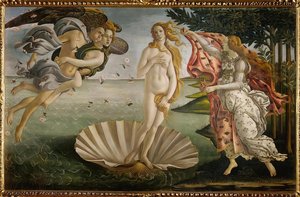
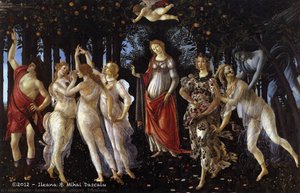
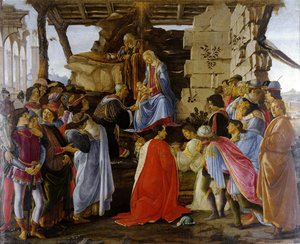
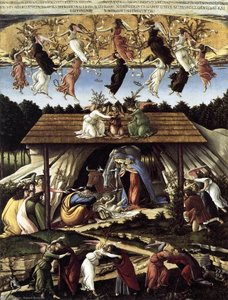
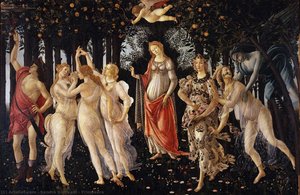
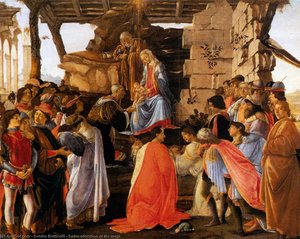
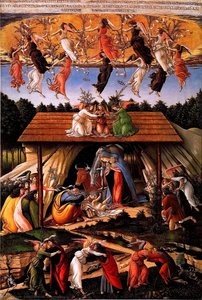
बोटीicelli की विरासत कुछ प्रतिष्ठित चित्रों पर टिकी हुई है जो सदियों से दर्शकों को मोहित करते रहते हैं। लगभग १४८६ में पूरा किया गया जन्म ऑफ वीनस, शायद उनकी सबसे प्रसिद्ध कृति के रूप में खड़ा है - सौंदर्य के पुनर्जागरण आदर्शों का एक प्रतीकात्मक चित्रण। इसकी सुंदर रचना, नाजुक रंग पैलेट और मार्मिक प्रतीकवाद ने इसे युग के एक स्थायी प्रतीक बना दिया है। समान रूप से प्रसिद्ध प्राइमावेरा है, लगभग १४८२ में बनाया गया, जो वसंत और प्रेम का जश्न मनाने वाला एक जटिल और रहस्यमय चित्र है, जिसमें शास्त्रीय पौराणिक कथाओं से खींचे गए प्रतीकात्मक आंकड़े हैं। ये कार्य बोटीicelli की रचना, वायुमंडलीय गहराई बनाने की क्षमता और मानव भावनाओं की गहरी समझ का प्रदर्शन करते हैं। उनकी शुरुआती कृतियों में एडोरेशन ऑफ द मैगी भी शामिल है, जो रचना और परिप्रेक्ष्य के प्रारंभिक कौशल को दर्शाता है। बाद के वर्षों में, उन्होंने मिस्टिक नेटीविटी जैसे अधिक आध्यात्मिक विषयों पर ध्यान केंद्रित किया, जो उनके करियर में एक बदलाव को दर्शाते हैं।प्रभाव और पुन: खोज
उनकी मृत्यु के बाद, बोटीicelli की प्रतिष्ठा धीरे-धीरे अस्पष्टता में डूब गई। लगभग तीन शताब्दियों तक, उनकी कला मुख्य रूप से भुला दी गई थी, लियोनार्डो दा विंची और माइकल एंजेलो जैसे उच्च पुनर्जागरण мастеров की उपलब्धियों से overshadowed। हालांकि, 19वीं शताब्दी के अंत में प्री-रफाएलाइट ब्रदरहुड के उदय के साथ एक उल्लेखनीय पुन: खोज हुई - अंग्रेजी कलाकारों का एक समूह जिन्होंने अकादमिक सम्मेलनों को खारिज कर दिया और प्रारंभिक इतालवी पुनर्जागरण की कला से प्रेरणा मांगी। उन्हें बोटीicelli की रेखीय कृपा, जीवंत रंगों और काव्यात्मक संवेदनशीलता से मोहित किया गया, उन्हें एक समान आत्मा के रूप में पहचानते हुए। इस नवीनीकृत प्रशंसा ने उनकी कार्य का व्यापक पुनर्मूल्यांकन शुरू किया, जिससे उन्हें प्रारंभिक पुनर्जागरण के सबसे महत्वपूर्ण कलाकारों में से एक के रूप में स्थापित किया गया। आज, बोटीicelli को अपनी अनूठी कलात्मक दृष्टि, अपने कुशल कौशल और सौंदर्य, भावना और आध्यात्मिक चिंतन की समान भावना को जगाने की स्थायी क्षमता के लिए मनाया जाता है। उनकी प्रभाव बाद की पीढ़ियों के कलाकारों में देखा जा सकता है जिन्होंने अपनी खुद की रचनाओं में उसी कृपा और लालित्य को पकड़ने का प्रयास किया है। वे फ्लोरेंटाइन कलात्मक उपलब्धि के प्रतीक और पुनर्जागरण मानवतावाद की शक्ति के प्रमाण बने हुए हैं।- जन्म ऑफ वीनस: सौंदर्य के आदर्शों को मूर्त रूप देने वाला एक प्रतिष्ठित चित्रण।
- प्राइमावेरा: वसंत और प्रेम का जश्न मनाने वाला एक जटिल प्रतीकात्मक चित्र।
- एडोरेशन ऑफ द मैगी: रचना और परिप्रेक्ष्य के प्रारंभिक कौशल को दर्शाता है।
- मिस्टिक नेटीविटी: उनके करियर में आध्यात्मिक विषयों की ओर बदलाव को दर्शाता है।
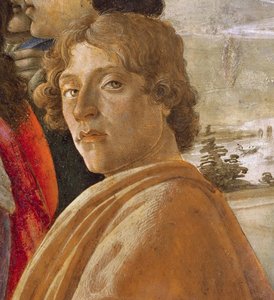
सैंड्रो बोतिचेली
1445 - 1510 , इटली
मुख्य तथ्य
- कलात्मक शैली: प्रारंभिक पुनर्जागरण
- जन्म तिथि: लगभग 1445
- जन्म स्थान: फ्लोरेंस, इटली
- पूरा नाम: सैंड्रो बोटीicelli (एलेसेंड्रो फिलीपेपी)
- प्रभावित आंदोलन: ['प्री-रफाएलाइट्स']
- प्रभावित कलाकार:
- फ्रा एंजेलिको
- पाओलो उकेलो
- प्रमुख कलाकृतियाँ:
- वीनस का जन्म
- प्राइमावेरा
- मैगी का आराधना
- मृत्यु तिथि: 17 मई 1510
- राष्ट्रीयता: इतालवी
संबंधित लेख

Andrea del Sarto: Florentine Grace, Technical Mastery & Artistic Ambition
Explore the life & art of Andrea del Sarto, a Florentine Renaissance master renowned for harmonious compositions & technical brilliance. Discover his frescoes, portraits, and lasting influence on art history.

Echoes of Isolation: Solitude in Western Art from Renaissance to Modernism
Explore the profound representation of solitude in Western art from the Renaissance to Modernism. Discover iconic paintings & artists like Goya, Friedrich, and Rossetti. Handmade oil reproductions available at AllPaintingsStore.

Piero della Francesca: Renaissance Perspective, Divine Proportion & the Pursuit of Ideal Form
Explore the revolutionary art of Piero della Francesca – master of perspective, divine proportion & Renaissance humanism. Discover his iconic paintings & lasting influence on art history.
फ्लोरेंस के उफीजी गैलरी की 25 उत्कृष्ट कलाकृतियाँ: इतिहास, कलाकार और सौंदर्य
फ्लोरेंस के उफीजी गैलरी की 25 उत्कृष्ट कलाकृतियों का अन्वेषण करें! लियोनार्डो दा विंची, माइकल एंजेलो और राफेल जैसे कलाकारों की कहानियाँ जानें। पुनर्जागरण कला से प्रेरित घर की सजावट के लिए उच्च गुणवत्ता वाली कला प्रतिकृतियाँ खोजें। AllPaintingsStore.com पर संपूर्ण संग्रह देखें।
डैंटे गेब्रियल रॉसेटी की 25 उत्कृष्ट कृतियाँ: कला और सौंदर्य का अद्भुत संग्रह | AllPaintingsStore
डैंटे गेब्रियल रॉसेटी की 25 सर्वश्रेष्ठ पेंटिंग! प्री-राफेलिट कला, विक्टोरियन सौंदर्य और प्रतीकात्मकता का अनुभव करें। उच्च गुणवत्ता वाले कला पुनरुत्पादन और घर सजावट के लिए AllPaintingsStore.com पर खोजें।