


 पूर्वावलोकन देखें
 साझा करें
 साझा करें
 विस्तृत विवरण
 मार्गदर्शिका

 डाउनलोड करें
 समान कलाकृतियाँ
 एक्स-रे
 स्लाइड शो देखें
 आंकड़े
Portrait of a Nobleman, possibly Adriaan van der Borcht, Anthony van Dyck, 1634 - c. 1635
 Oil On Canvas
- WallArt
- Baroque
 1635
1635- Early Modern
 201.0 x 138.0 cm
 पूरा देखें
हाथ से बनी ऑयल रिप्रोडक्शन
आपके आकार और फ्रेम के अनुसार कैनवास पर हाथ से बनी ऑयल पेंटिंग, हमारे कलाकारों द्वारा विशेष रूप से ऑर्डर पर तैयार। ( प्रिंट पर स्विच करें डिजिटल इमेज पर स्विच करें)




P118B $10

P118H $10

P118W $10

P438Z $10

P508JH $12

P508YH $12

P805H $10

P805Z $10

P919BZ $10

P919G $10

P919XJ $10

P959ZH $10

P968JZ $12

W106C $8

W218G $10

W218JH $8

W218Y $10

W307PJ $10

W316G $10

W316PJ $8

W316Y $10

W398PJ $8

W4111J $10

W500HY $15

W500JH $15

W692G $12

W849H $8

W940BG $15

W953PJ $8




कलाकृति के मूल अनुपात से मेल खाने वाले हमारे पूर्व निर्धारित आकारों में से चुनें।

आप किसी विशिष्ट फ्रेम या स्थान के अनुसार अपने स्वयं के आयाम (dimensions) दर्ज कर सकते हैं। यदि आपके द्वारा चुना गया आकार मूल छवि के अनुपात से मेल नहीं खाता है, तो हम कलाकृति को क्रॉप करेंगे या पेंटिंग में अतिरिक्त हाथ से चित्रित तत्व जोड़कर उसका विस्तार करेंगे। उत्पादन शुरू होने से पहले आपकी स्वीकृति के लिए एक डिजिटल मॉकअप भेजा जाएगा।
कृपया ध्यान दें कि स्क्रीन पर दिखने वाला पूर्वावलोकन वास्तविक क्रॉपिंग या विस्तार को नहीं दर्शाता है। केवल मॉकअप ही अंतिम रचना को सटीक रूप से दिखाएगा।
यद्यपि कस्टम आकार उपलब्ध हैं, फिर भी हम मूल अनुपात बनाए रखने के लिए पूर्व-निर्धारित सूची से आयाम चुनने की सलाह देते हैं।
ऑर्डर देने के बाद, AllPaintingsStore.com टीम निर्देशों के लिए क्लाइंट को ईमेल करेगी और एक मॉकअप प्रीव्यू प्रदान करेगी
विश्वव्यापी वितरण () मानक 5 सप्ताह के बजाय मात्र 3/4 सप्ताह में। (21 सितमबर)। गुणवत्ता से कोई समझौता नहीं।

दुनिया भर में मुफ़्त एक्सप्रेस शिपिंग

उच्च गुणवत्ता वाला लिनेन कैनवास

पूर्ण शिपिंग बीमा

सीमा शुल्क और आयात कर वापसी की गारंटी

सटीक रंग मिलान की गारंटी

100-दिन की वापसी नीति (केवल दोषपूर्ण होने पर)

100% पैसे वापसी की गारंटी

थोक छूट का लाभ
 ग्लास का विकल्प केवल 110 सेमी से कम आकार में ही उपलब्ध है।

Portrait of a Nobleman, possibly Adriaan van der Borcht, Anthony van Dyck, 1634 - c. 1635
प्रतिकृति की विधि
प्रतिकृति का आकार
-


कुल देय राशि
$ 258
A Glimpse into Baroque Grandeur
In the sweeping landscape of the seventeenth century, few artists possessed the ability to capture the very essence of nobility as Sir Anthony van Dyck did. His Portrait of a Nobleman, painted around 1635, stands as a breathtaking testament to this mastery. At first glance, the viewer is met with the commanding presence of a gentleman, his figure draped in the somber yet luxurious black of a high-status coat, contrasted sharply by the crisp, luminous white of a ruffled shirt and collar. There is an undeniable magnetism in his gaze and posture; as he gestures toward a distant horizon, he does not merely point, but invites us to witness a world of maritime significance and unfolding history. The composition, set against a backdrop of tranquil waters dotted with vessels, creates a profound sense of depth that draws the eye through the frame, much like a window into a lost era of European prestige.
The technical brilliance of Van Dyck is on full display in the way light dances across different textures. One can almost feel the weight of the heavy fabric and the delicate, airy quality of the lace. This was an artist who had refined the muscular energy of his mentor, Peter Paul Rubens, into a more sophisticated, ethereal elegance. Through his brush, the skin of the sitter possesses a lifelike warmth, while the subtle play of shadow—the chiaroscuro technique—adds a layer of psychological complexity to the man's expression. For the discerning collector or interior designer, this painting offers more than just visual beauty; it provides a focal point of intellectual and aesthetic depth, capable of anchoring a room with its quiet authority and historical resonance.
The Enigma of Identity and Heritage
Beyond the surface beauty lies a fascinating historical mystery that continues to intrigue scholars. While various museum catalogues have historically identified the sitter as Nicolaes van der Borcht, recent investigations into the heraldry present within the work suggest a different lineage. The coat of arms, prominently displayed, appears to belong to Adriaan van der Borch, a man whose life was intertwined with the shifting political tides of the Spanish Netherlands and the glory of the Spanish crown. This layer of uncertainty adds a romantic, almost detective-like quality to the viewing experience. Is he a merchant prince, a knight, or a figure of maritime importance? The painting refuses to yield its secrets easily, instead offering a tantalizing glimpse into the complex social hierarchies of the 1630s.
The symbolism embedded in the scene further enriches the narrative. The presence of boats on the water and the man's directed gesture suggest themes of commerce, exploration, and perhaps even the turbulent naval conflicts of the era. Even the subtle inclusion of birds within the composition serves to breathe life into the atmosphere, grounding the aristocratic portrait in a naturalistic, living world. For those looking to adorn a space with art that tells a story, this piece offers an endless loop of discovery. It is a work that celebrates not just a single man, but the entire spirit of an age defined by movement, trade, and the pursuit of distinction.
An Inspiration for the Modern Interior
Integrating a high-quality reproduction of such a masterpiece into a contemporary setting allows for a sophisticated dialogue between the past and the present. The dark, rich tones of the portrait lend themselves beautifully to classical, traditional decor, providing a sense of permanence and heritage. However, its dramatic lighting and commanding subject matter also make it a striking choice for modern, minimalist interiors, where it can serve as a bold, conversational centerpiece that breaks the monotony of clean lines with historical texture.
To possess such a work is to invite the elegance of the Baroque era into one's daily life. It is an investment in atmosphere—a way to surround oneself with the sprezzatura, or effortless grace, that Van Dyck so famously imbued in his subjects. Whether placed in a grand library, a formal dining room, or a curated gallery wall, this portrait remains a timeless symbol of prestige, inviting every viewer to pause, reflect, and be transported by the enduring power of fine art.
संबद्ध कलाकृतियाँ


कलाकार का जीवन परिचय
एंथनी वैन डाइक: यूरोपीय दरबारों के एक फ्लेमिश स्वामी
एंथनी वैन डाइक, 1599 में एंटवर्प में जन्मे, बारोक युग के सबसे प्रसिद्ध और प्रभावशाली चित्रकारों में से एक के रूप में उभरे। उनका जीवन, भले ही केवल 42 वर्ष की कम उम्र में दुखद रूप से समाप्त हो गया, कलात्मक अन्वेषण और प्रतिष्ठित कमीशनों का एक भंवर था जिसने उन्हें उनके स्वदेशी फ़लैंडर्स से लेकर इटली और अंततः अंग्रेजी दरबार के दिल तक ले गया। बचपन से ही, वैन डाइक ने असाधारण प्रतिभा का प्रदर्शन किया, हेन्ड्रिक वैन बालन की कार्यशाला में एक युवा प्रशिक्षु के रूप में प्रवेश किया और जल्दी ही उस समय की प्रचलित शैलियों को आत्मसात कर लिया। हालाँकि, पीटर पॉल रूबेन्स के साथ उनका जुड़ाव - न केवल एक छात्र के रूप में बल्कि एक सहयोगी के रूप में भी - ने वास्तव में उनके कलात्मक आधार को आकार दिया। उन्होंने रूबेन्स के गतिशील रचनाओं, समृद्ध रंग पैलेट और प्रकाश और छाया के कुशल प्रबंधन से सीखा, फिर भी वैन डाइक जल्द ही अपना विशिष्ट मार्ग बनाना शुरू कर दिया, जो लालित्य और परिष्कार द्वारा चिह्नित था जो उनकी हस्ताक्षर विशेषता बन जाएगी।इटली में प्रवास और एक शैली का जन्म
1621 के आसपास शुरू होकर इटली में वैन डाइक के वर्षों ने उनके कलात्मक विकास में महत्वपूर्ण भूमिका निभाई। उन्होंने मुख्य रूप से जेनोआ में निवास किया, जहाँ उन्हें शहर के अभिजात परिवारों के बीच समर्थन मिला। यहीं पर उन्होंने उस परिष्कृत शैली को विकसित करना शुरू कर दिया जिसके लिए उन्हें प्रसिद्ध माना जाएगा - एक शैली जो सुंदर मुद्राओं, शानदार कपड़ों और लगभग मूर्त भव्यता की भावना द्वारा चिह्नित है। रूबेन्स के काम में अक्सर पाए जाने वाले मजबूत ऊर्जा के विपरीत, वैन डाइक के इतालवी चित्र एक परिष्कृत संयम का उत्सर्जन करते हैं, न केवल शारीरिक समानता को पकड़ते हैं बल्कि उनके बैठे लोगों के आंतरिक चरित्र और सामाजिक स्थिति को भी दर्शाते हैं। इस अवधि के दौरान, उन्होंने अपने *आइकोग्राफी* पर भी शुरुआत की, जो सावधानीपूर्वक प्रस्तुत पोर्ट्रेट उत्कीर्णनों की एक श्रृंखला है जिसमें उस समय के प्रमुख आंकड़े शामिल हैं - कलाकार, विद्वान और शासक समान रूप से। इस परियोजना ने उनके असाधारण तकनीकी कौशल का प्रदर्शन किया और उन्हें एक अग्रणी प्रिंटमेकर के रूप में स्थापित किया। ये उत्कीर्णन केवल रिकॉर्ड नहीं थे; वे सावधानीपूर्वक निर्मित छवियां थीं जिन्हें विषयों को अमर बनाने और उनकी स्थिति और बुद्धि को व्यक्त करने के लिए डिज़ाइन किया गया था।राजा के चित्रकार: इंग्लैंड में वैन डाइक
1632 में, वैन डाइक को एक निमंत्रण प्राप्त हुआ जिसने हमेशा के लिए उनके करियर की दिशा बदल दी - अंग्रेजी अदालत के चित्रकार बनने के लिए चार्ल्स प्रथम द्वारा एक आह्वान। इस नियुक्ति ने न केवल वैन डाइक के लिए बल्कि अंग्रेजी चित्रकला के लिए भी एक महत्वपूर्ण मोड़ चिह्नित किया। वह काफी प्रतिष्ठा के साथ लंदन पहुंचे और जल्दी ही राजा के लिए अपरिहार्य हो गए, जिन्हें शक्ति, भव्यता और दैवीय अधिकार का आभा पैदा करने वाली छवियों को बनाने का काम सौंपा गया था। चार्ल्स प्रथम के वैन डाइक के चित्र विशेष रूप से उल्लेखनीय हैं; उन्होंने पहले कलाकारों द्वारा पसंद किए जाने वाले कठोर, औपचारिक निरूपण से दूर हटकर राजा को एक गतिशील, करिश्माई नेता के रूप में चित्रित किया। उन्होंने नाटकीय प्रकाश व्यवस्था, व्यापक इशारों और सावधानीपूर्वक चुने गए पृष्ठभूमि जैसी नवीन तकनीकों का उपयोग करके ऐसी छवियां बनाईं जो न केवल नेत्रहीन आश्चर्यजनक थीं बल्कि राजनीतिक रूप से भी आवेशित थीं। उनका प्रभाव शाही परिवार से परे फैला, पीढ़ियों के लिए अंग्रेजी अभिजात वर्ग की दृश्य संस्कृति को आकार दिया। उन्होंने सिर्फ चित्र नहीं बनाए; उन्होंने राजशाही की एक छवि तैयार की, जिसने सदियों तक राजशाही के बारे में धारणाओं को प्रभावित किया।विरासत और स्थायी प्रभाव
1641 में वैन डाइक की समय से पहले मृत्यु ने कला जगत से एक असाधारण प्रतिभा को छीन लिया, लेकिन उनकी विरासत आज भी कायम है। अंग्रेजी चित्रकला पर उनका प्रभाव अकल्पनीय है; उन्होंने लालित्य और परिष्कार का एक मानक स्थापित किया जिसे बाद के कलाकारों द्वारा अनुकरण करने का प्रयास किया जाएगा।- तकनीकी नवाचार: वह तेल चित्रकला और उत्कीर्णन दोनों में महारानी थे, लगातार नई तकनीकों के साथ प्रयोग करते हुए।
- शैलीगत परिशोधन: उनके चित्रों को उनकी सुंदर मुद्राओं, शानदार कपड़ों और सूक्ष्म मनोवैज्ञानिक अंतर्दृष्टि द्वारा चिह्नित किया जाता है।
- दरबारी प्रभाव: उन्होंने अंग्रेजी राजशाही की छवि को बदल दिया, शक्ति और प्रतिष्ठा का एक दृश्य भाषा बनाई।
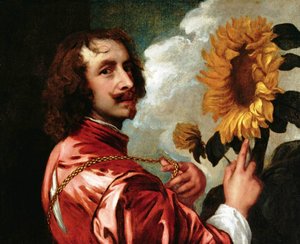
एंथनी वैन डाइक
1599 - 1641 , बेल्जियम
मुख्य तथ्य
- Artistic Movement Or Style: बरोक कला
- Artists Or Movements Influenced By This Artist: ['अंग्रेजी चित्रकला']
- Artists Who Influenced This Artist: ['पीटर पॉल रूबेन्स']
- Date Of Birth: 22 मार्च 1599
- Date Of Death: 9 दिसंबर 1641
- Full Name: सर एंथोनी वैन डाइक
- Nationality: फ़्लैमिश
- Notable Artworks:
- पोर्ट्रेट ऑफ़ अ वुमन एंड चाइल्ड
- चार्ल्स I का घुड़सवारी चित्र
- लॉर्ड जॉन स्टुअर्ट और भाई
- दया
- तीन स्थितियों में चार्ल्स I
- रिनाल्डो और आर्मिडा
- Place Of Birth: एंटवर्प, बेल्जियम
संबंधित लेख

Masterpieces of the 17th Century: Art, History & Decor Inspiration | AllPaintingsStore
Journey through 17th century art with masterpieces by Rembrandt, Vermeer & Caravaggio. Explore Baroque paintings, Dutch Golden Age techniques & timeless beauty. Find museum-quality reproductions and elevate your home decor on AllPaintingsStore.com.
रेम्ब्रांद्ट की शीर्ष 25 कलाकृतियाँ: इतिहास, कहानी और दृश्य वैभव | AllPaintingsStore
रेम्ब्रांद्ट की शीर्ष 25 कलाकृतियों का अन्वेषण करें! डच गोल्डन एज के इस महान चित्रकार की कहानियाँ, तकनीक और दृश्य वैभव जानें। घर की सजावट के लिए उच्च गुणवत्ता वाले कला प्रिंट खरीदें - AllPaintingsStore.com पर संपूर्ण संग्रह देखें।
Dutch Baroque Masters: 10 Paintings That Shaped an Era | AllPaintingsStore
Journey through the Golden Age with our guide to the Top 10 Dutch Baroque masterpieces! Explore iconic paintings by Rembrandt, Vermeer & Frans Hals. Find museum-quality art reproductions and elevate your home decor at AllPaintingsStore.com.

Sir Anthony van Dyck: Courtly Portraiture & the Shaping of Baroque Identity
Explore the life & legacy of Sir Anthony van Dyck, the leading court painter of his era. Discover his innovative portraiture, Baroque masterpieces, and investment potential for discerning collectors. Learn more at AllPaintingsStore.

The Grandeur of Baroque Portraiture: Power, Emotion & Artistic Innovation
Explore the grandeur of Baroque portraiture! Discover Rubens, Van Dyck & the masters of 17th-century art. Uncover symbolism, techniques & lasting influence. Expert insights for collectors and enthusiasts.


