- होमपेज

- ऑयल पेंटिंग रिप्रोडक्शन
- एंथनी वैन डाइक
- The Lomellini Family

 प्रिंट खरीदें छवि खरीदें
 साझा करें
 साझा करें
 विस्तृत विवरण
 पसंदीदा में जोड़ें

 डाउनलोड करें
 समान कलाकृतियाँ
 एक्स-रे
 स्लाइड शो देखें
The Lomellini Family


 पूरा देखें
हाथ से बनी ऑयल रिप्रोडक्शन
आपके आकार और फ्रेम के अनुसार कैनवास पर हाथ से बनी ऑयल पेंटिंग, हमारे कलाकारों द्वारा विशेष रूप से ऑर्डर पर तैयार।




P118B $10

P118H $10

P118W $10

P438Z $10

P508JH $12

P508YH $12

P805H $10

P805Z $10

P919BZ $10

P919G $10

P919XJ $10

P959ZH $10

P968JZ $12

W106C $8

W218G $10

W218JH $8

W218Y $10

W307PJ $10

W316G $10

W316PJ $8

W316Y $10

W398PJ $8

W4111J $10

W500HY $15

W500JH $15

W692G $12

W849H $8

W940BG $15

W953PJ $8




कलाकृति के मूल अनुपात से मेल खाने वाले हमारे पूर्व निर्धारित आकारों में से चुनें।

आप किसी विशिष्ट फ्रेम या स्थान के अनुसार अपने स्वयं के आयाम (dimensions) दर्ज कर सकते हैं। यदि आपके द्वारा चुना गया आकार मूल छवि के अनुपात से मेल नहीं खाता है, तो हम कलाकृति को क्रॉप करेंगे या पेंटिंग में अतिरिक्त हाथ से चित्रित तत्व जोड़कर उसका विस्तार करेंगे। उत्पादन शुरू होने से पहले आपकी स्वीकृति के लिए एक डिजिटल मॉकअप भेजा जाएगा।
कृपया ध्यान दें कि स्क्रीन पर दिखने वाला पूर्वावलोकन वास्तविक क्रॉपिंग या विस्तार को नहीं दर्शाता है। केवल मॉकअप ही अंतिम रचना को सटीक रूप से दिखाएगा।
यद्यपि कस्टम आकार उपलब्ध हैं, फिर भी हम मूल अनुपात बनाए रखने के लिए पूर्व-निर्धारित सूची से आयाम चुनने की सलाह देते हैं।
ऑर्डर देने के बाद, AllPaintingsStore.com टीम निर्देशों के लिए क्लाइंट को ईमेल करेगी और एक मॉकअप प्रीव्यू प्रदान करेगी
विश्वव्यापी वितरण () मानक 5 सप्ताह के बजाय मात्र 3/4 सप्ताह में। (16 जुलाई)। गुणवत्ता से कोई समझौता नहीं।

दुनिया भर में मुफ़्त एक्सप्रेस शिपिंग

उच्च गुणवत्ता वाला लिनेन कैनवास

पूर्ण शिपिंग बीमा

सीमा शुल्क और आयात कर वापसी की गारंटी

सटीक रंग मिलान की गारंटी

60-दिन की वापसी नीति (केवल दोषों के लिए)

100% पैसे वापसी की गारंटी

थोक छूट का लाभ
 ग्लास का विकल्प केवल 110 सेमी से कम आकार में ही उपलब्ध है।

The Lomellini Family
प्रतिकृति की विधि
प्रतिकृति का आकार
-


कुल देय राशि
-
कलाकृति का विवरण
A Glimpse into Genoese Grandeur: Sir Anthony van Dyck’s “The Lomellini Family”
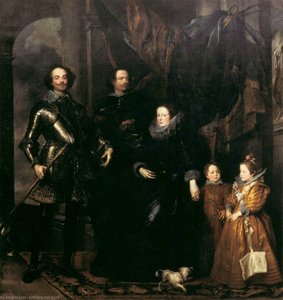
Sir Anthony van Dyck's "The Lomellini Family," painted in 1627, is more than a simple portrait; it’s a meticulously crafted window into the opulent world of late Renaissance Genoa. Commissioned by Giacomo Lomellini, Doge of Genoa, this oil-on-canvas masterpiece captures not just the likenesses of his family but also the very essence of their status and wealth within the complex political landscape of the time. Van Dyck’s skill lies in transforming a formal group portrait into a vibrant tableau vivant – a scene brimming with life, luxury, and subtle social commentary.
The painting immediately draws the eye to the central figures: a woman radiating aristocratic grace, flanked by her husband and two young children. The man, likely Giacomo Lomellini himself, is depicted in armor, a symbol of his military prowess and civic duty – crucial elements within Genoese society. His posture exudes authority and confidence, while the woman’s elaborate black gown, adorned with a towering ruff, speaks volumes about her social standing and access to wealth. The children, dressed in equally lavish attire, represent the continuation of the family lineage and its future prospects. Van Dyck masterfully uses light and shadow to sculpt their forms, creating a sense of depth and realism that was revolutionary for portraiture of the era.
Baroque Elegance: Van Dyck’s Technique and Style
Van Dyck's signature style is evident in every brushstroke. He employed a technique known as “stiacciato,” where he built up color through multiple thin layers, creating a luminous and velvety surface. This method, combined with his masterful use of chiaroscuro – the dramatic contrast between light and dark – imbues the painting with an incredible sense of volume and atmosphere. Notice how the folds of fabric appear to ripple and flow, and how the light catches on the armor, highlighting its intricate details. The artist’s attention to detail is astonishing; from the delicate embroidery on the woman's gown to the texture of the dog’s fur, every element contributes to the overall sense of realism and luxury.
The composition itself is carefully balanced, reflecting the importance of family unity and social hierarchy. The arrangement of figures creates a visual pyramid, with the central couple at its apex, emphasizing their prominence within the Lomellini clan. Van Dyck’s use of color is equally sophisticated – rich reds, deep blues, and shimmering golds dominate the palette, creating a sense of opulence and grandeur. He skillfully employs atmospheric perspective, subtly blurring the background to draw attention to the foreground figures.
Historical Context: Genoa and the Doge
Understanding the historical context is crucial to appreciating “The Lomellini Family.” Genoa in the 17th century was a powerful maritime republic, a center of trade, finance, and political intrigue. The Doge, or Duke of Genoa, held immense power and influence, representing the city’s authority both domestically and abroad. However, there were strict rules governing the depiction of the Doge – he could not be portrayed as being in a position of subservience, nor could he appear to be aging or vulnerable. This constraint is cleverly circumvented here; Giacomo Lomellini is depicted in full armor, projecting an image of strength and leadership despite the unspoken limitations.
The painting offers a glimpse into the lifestyle of Genoese nobility – their wealth, their social status, and their commitment to family values. The presence of the dog, a symbol of loyalty and companionship, further reinforces this theme. It’s important to note that such portraits were not merely decorative; they served as powerful tools for asserting lineage, demonstrating wealth, and reinforcing social standing within a highly stratified society.
Symbolism and Emotional Impact
Beyond its surface beauty, “The Lomellini Family” is rich in symbolism. The armor represents military power and civic duty, while the elaborate clothing signifies wealth and status. The children symbolize the continuation of the family line and the hope for a prosperous future. Even the dog’s presence carries symbolic weight – representing loyalty, protection, and domesticity.
Van Dyck's ability to capture not just physical likenesses but also the personalities and emotions of his subjects is remarkable. The painting evokes a sense of warmth, intimacy, and familial connection. It’s a testament to Van Dyck’s skill as a portraitist – he created an image that is both visually stunning and emotionally resonant, offering a timeless glimpse into the lives of a prominent Genoese family.
संबद्ध कलाकृतियाँ




कलाकार का जीवन परिचय
एंथनी वैन डाइक: यूरोपीय दरबारों के एक फ्लेमिश स्वामी
एंथनी वैन डाइक, 1599 में एंटवर्प में जन्मे, बारोक युग के सबसे प्रसिद्ध और प्रभावशाली चित्रकारों में से एक के रूप में उभरे। उनका जीवन, भले ही केवल 42 वर्ष की कम उम्र में दुखद रूप से समाप्त हो गया, कलात्मक अन्वेषण और प्रतिष्ठित कमीशनों का एक भंवर था जिसने उन्हें उनके स्वदेशी फ़लैंडर्स से लेकर इटली और अंततः अंग्रेजी दरबार के दिल तक ले गया। बचपन से ही, वैन डाइक ने असाधारण प्रतिभा का प्रदर्शन किया, हेन्ड्रिक वैन बालन की कार्यशाला में एक युवा प्रशिक्षु के रूप में प्रवेश किया और जल्दी ही उस समय की प्रचलित शैलियों को आत्मसात कर लिया। हालाँकि, पीटर पॉल रूबेन्स के साथ उनका जुड़ाव - न केवल एक छात्र के रूप में बल्कि एक सहयोगी के रूप में भी - ने वास्तव में उनके कलात्मक आधार को आकार दिया। उन्होंने रूबेन्स के गतिशील रचनाओं, समृद्ध रंग पैलेट और प्रकाश और छाया के कुशल प्रबंधन से सीखा, फिर भी वैन डाइक जल्द ही अपना विशिष्ट मार्ग बनाना शुरू कर दिया, जो लालित्य और परिष्कार द्वारा चिह्नित था जो उनकी हस्ताक्षर विशेषता बन जाएगी।इटली में प्रवास और एक शैली का जन्म
1621 के आसपास शुरू होकर इटली में वैन डाइक के वर्षों ने उनके कलात्मक विकास में महत्वपूर्ण भूमिका निभाई। उन्होंने मुख्य रूप से जेनोआ में निवास किया, जहाँ उन्हें शहर के अभिजात परिवारों के बीच समर्थन मिला। यहीं पर उन्होंने उस परिष्कृत शैली को विकसित करना शुरू कर दिया जिसके लिए उन्हें प्रसिद्ध माना जाएगा - एक शैली जो सुंदर मुद्राओं, शानदार कपड़ों और लगभग मूर्त भव्यता की भावना द्वारा चिह्नित है। रूबेन्स के काम में अक्सर पाए जाने वाले मजबूत ऊर्जा के विपरीत, वैन डाइक के इतालवी चित्र एक परिष्कृत संयम का उत्सर्जन करते हैं, न केवल शारीरिक समानता को पकड़ते हैं बल्कि उनके बैठे लोगों के आंतरिक चरित्र और सामाजिक स्थिति को भी दर्शाते हैं। इस अवधि के दौरान, उन्होंने अपने *आइकोग्राफी* पर भी शुरुआत की, जो सावधानीपूर्वक प्रस्तुत पोर्ट्रेट उत्कीर्णनों की एक श्रृंखला है जिसमें उस समय के प्रमुख आंकड़े शामिल हैं - कलाकार, विद्वान और शासक समान रूप से। इस परियोजना ने उनके असाधारण तकनीकी कौशल का प्रदर्शन किया और उन्हें एक अग्रणी प्रिंटमेकर के रूप में स्थापित किया। ये उत्कीर्णन केवल रिकॉर्ड नहीं थे; वे सावधानीपूर्वक निर्मित छवियां थीं जिन्हें विषयों को अमर बनाने और उनकी स्थिति और बुद्धि को व्यक्त करने के लिए डिज़ाइन किया गया था।राजा के चित्रकार: इंग्लैंड में वैन डाइक
1632 में, वैन डाइक को एक निमंत्रण प्राप्त हुआ जिसने हमेशा के लिए उनके करियर की दिशा बदल दी - अंग्रेजी अदालत के चित्रकार बनने के लिए चार्ल्स प्रथम द्वारा एक आह्वान। इस नियुक्ति ने न केवल वैन डाइक के लिए बल्कि अंग्रेजी चित्रकला के लिए भी एक महत्वपूर्ण मोड़ चिह्नित किया। वह काफी प्रतिष्ठा के साथ लंदन पहुंचे और जल्दी ही राजा के लिए अपरिहार्य हो गए, जिन्हें शक्ति, भव्यता और दैवीय अधिकार का आभा पैदा करने वाली छवियों को बनाने का काम सौंपा गया था। चार्ल्स प्रथम के वैन डाइक के चित्र विशेष रूप से उल्लेखनीय हैं; उन्होंने पहले कलाकारों द्वारा पसंद किए जाने वाले कठोर, औपचारिक निरूपण से दूर हटकर राजा को एक गतिशील, करिश्माई नेता के रूप में चित्रित किया। उन्होंने नाटकीय प्रकाश व्यवस्था, व्यापक इशारों और सावधानीपूर्वक चुने गए पृष्ठभूमि जैसी नवीन तकनीकों का उपयोग करके ऐसी छवियां बनाईं जो न केवल नेत्रहीन आश्चर्यजनक थीं बल्कि राजनीतिक रूप से भी आवेशित थीं। उनका प्रभाव शाही परिवार से परे फैला, पीढ़ियों के लिए अंग्रेजी अभिजात वर्ग की दृश्य संस्कृति को आकार दिया। उन्होंने सिर्फ चित्र नहीं बनाए; उन्होंने राजशाही की एक छवि तैयार की, जिसने सदियों तक राजशाही के बारे में धारणाओं को प्रभावित किया।विरासत और स्थायी प्रभाव
1641 में वैन डाइक की समय से पहले मृत्यु ने कला जगत से एक असाधारण प्रतिभा को छीन लिया, लेकिन उनकी विरासत आज भी कायम है। अंग्रेजी चित्रकला पर उनका प्रभाव अकल्पनीय है; उन्होंने लालित्य और परिष्कार का एक मानक स्थापित किया जिसे बाद के कलाकारों द्वारा अनुकरण करने का प्रयास किया जाएगा।- तकनीकी नवाचार: वह तेल चित्रकला और उत्कीर्णन दोनों में महारानी थे, लगातार नई तकनीकों के साथ प्रयोग करते हुए।
- शैलीगत परिशोधन: उनके चित्रों को उनकी सुंदर मुद्राओं, शानदार कपड़ों और सूक्ष्म मनोवैज्ञानिक अंतर्दृष्टि द्वारा चिह्नित किया जाता है।
- दरबारी प्रभाव: उन्होंने अंग्रेजी राजशाही की छवि को बदल दिया, शक्ति और प्रतिष्ठा का एक दृश्य भाषा बनाई।
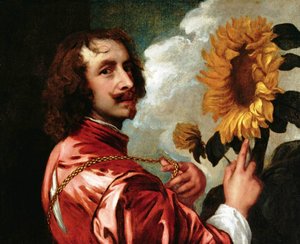
एंथनी वैन डाइक
1599 - 1641 , बेल्जियम
मुख्य तथ्य
- Artistic Movement Or Style: बरोक कला
- Artists Or Movements Influenced By This Artist: ['अंग्रेजी चित्रकला']
- Artists Who Influenced This Artist: ['पीटर पॉल रूबेन्स']
- Date Of Birth: 22 मार्च 1599
- Date Of Death: 9 दिसंबर 1641
- Full Name: सर एंथोनी वैन डाइक
- Nationality: फ़्लैमिश
- Notable Artworks:
- पोर्ट्रेट ऑफ़ अ वुमन एंड चाइल्ड
- चार्ल्स I का घुड़सवारी चित्र
- लॉर्ड जॉन स्टुअर्ट और भाई
- दया
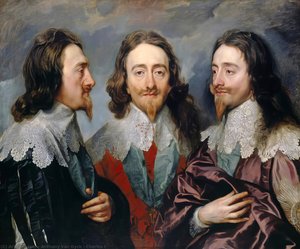
- तीन स्थितियों में चार्ल्स I
- रिनाल्डो और आर्मिडा
- Place Of Birth: एंटवर्प, बेल्जियम
संबंधित लेख
Jan van Kessel the Elder: A Baroque Master of Floral Still Life & Miniature Portraiture
Discover the exquisite detail of Jan van Kessel the Elder's Baroque floral still lifes & captivating miniatures. Explore his artistic legacy, scientific precision, and lasting influence on 17th-century Flemish painting.

परिवार चित्रकला: वहु आर्ट के माध्यम से पारिवारिक विरासत का संरक्षण – एक विवेचनात्मक अध्ययन | AllPaintingsStore.com F.A.Q.
वहु आर्ट के साथ अपनी पारिवारिक विरासत को सहेजें। हस्तनिर्मित पोर्ट्रेट, कस्टम कमीशन और विशेषज्ञ कला परामर्श सेवाएं। राजा रवि वर्मा की शैली में अद्वितीय कृतियाँ। आज ही संपर्क करें!

The Grandeur of Baroque Portraiture: Power, Emotion & Artistic Innovation
Explore the grandeur of Baroque portraiture! Discover Rubens, Van Dyck & the masters of 17th-century art. Uncover symbolism, techniques & lasting influence. Expert insights for collectors and enthusiasts.

हर चेहरे की कहानी: पारिवारिक पोर्ट्रेट कला के माध्यम से पीढ़ीगत विरासत का निर्माण करें
AllPaintingsStore.com के साथ अपने परिवार की अनमोल यादों को कलात्मक विरासत में बदलें। उच्च गुणवत्ता वाले, हाथ से पेंट किए हुए पोर्ट्रेट बनवाएं और पीढ़ीगत मूल्यों को अमर करें। आज ही ऑर्डर करें!

Sir Anthony van Dyck: Courtly Portraiture & the Shaping of Baroque Identity
Explore the life & legacy of Sir Anthony van Dyck, the leading court painter of his era. Discover his innovative portraiture, Baroque masterpieces, and investment potential for discerning collectors. Learn more at AllPaintingsStore.