


 Pregledaj u stvarnoj veličini
 Pošalji
 Podijeli
 Detalji o umjetničkom djelu

 Preuzmi
 Slični predmeti
 Rentgenska snimka
 Automatska prezentacija
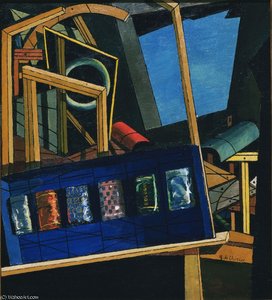
Philosopher
 Surrealism
 1939
1939 515.0 x 457.0 cm
 National Gallery of Australia
 Prikaži više
Ručno rađena uljana reprodukcija
Ručno oslikano uljanim bojama na platnu u dimenzijama i okviru po vašem izboru, izrađeno po narudžbi od strane naših umjetnika. ( Pređi na tisak Prebacite na sliku)




































Odaberite jednu od naših unaprijed definiranih veličina koje odgovaraju izvornim proporcijama umjetničkog djela.

Možete unijeti vlastite dimenzije kako bi odgovarale određenom okviru ili prostoru. Ako odabrana veličina ne odgovara proporcijama izvorne slike, izrezat ćemo umjetničko djelo ili proširiti sliku dodatnim ručno oslikanim elementima. Digitalni nacrt bit će vam poslan na odobrenje prije početka proizvodnje.
Imajte na umu da pregled na ekranu ne prikazuje stvarno izrezivanje ili proširivanje. Samo će nacrt točno prikazati konačni sastav.
Iako su dostupne prilagođene veličine, preporučujemo odabir dimenzije s preddefiniranog popisa kako bismo očuvali izvorne proporcije.
Nakon narudžbe, tim AllPaintingsStore.com kontaktirat će klijenta putem e-pošte radi dobivanja uputa te dostaviti probni prikaz (mockup).
Isporuka širom svijeta () u roku od 3-4 tjedna umjesto standardnih 5 tjedana. (11 Kolovoz). Bez kompromisa u kvaliteti.

Besplatna ekspresna dostava širom svijeta

Visokokvalitetno laneno platno

Potpuno osiguranje dostave

Jamstvo povrata carine i uvoznih poreza

Garancija vjernog podudaranja boja

Politika povrata u roku od 60 dana (samo u slučaju nedostataka)

Jamstvo povrata 100% novca

Popust na više proizvoda
 Opcija stakla dostupna je samo za dimenzije manje od 110 cm

Philosopher
Tehnika reprodukcije
Veličina reprodukcije
-


Ukupna cijena
$ 258
Srodna umjetnička djela



Biografija umjetnika
Albert Tucker: A Life Bridging Mathematics and Art
- Born: Oshawa, Canada (1905)
- Died: 1995
Albert William Tucker was a remarkable figure whose life defied easy categorization. While primarily recognized as a distinguished Canadian mathematician, his legacy extends into the realm of art and intellectual history. He is celebrated for significant contributions to topology, game theory (particularly for popularizing the "Prisoner's Dilemma"), and non-linear programming, while also leaving behind a body of artistic work that reflects themes of alienation, morality, and social commentary.
Early Life and Education: A Foundation in Mathematics
Tucker’s journey began in Oshawa, Ontario. His upbringing emphasized education, fostering an early aptitude for mathematics. He pursued his undergraduate studies at the University of Toronto, earning a B.A. in 1928 and an M.A. in 1929. His pursuit of advanced knowledge led him to Princeton University where he earned his Ph.D. under the guidance of Solomon Lefschetz in 1932 with a dissertation titled *An Abstract Approach to Manifolds*. This period laid the groundwork for his future contributions, establishing a strong foundation in abstract mathematics.
Mathematical Contributions and Legacy
- The Prisoner's Dilemma: Tucker is widely known for giving name and interpretation to Merrill M. Flood and Melvin Dresher’s model of cooperation and conflict, solidifying its place as a cornerstone of game theory.
- Karush-Kuhn-Tucker Conditions: His work on the Karush-Kuhn-Tucker conditions significantly advanced non-linear programming.
- Mathematical Education: Tucker was deeply committed to mathematics education, serving as chair of the AP Calculus committee for the College Board (1960-1963) and actively participating with the Committee on the Undergraduate Program in Mathematics (CUPM). He also served as president of the Mathematical Association of America (MAA) from 1961-1962.
- Mentorship: Tucker’s influence extended through his mentorship of numerous prominent figures, including Nobel Prize winners John Nash and Lloyd Shapley, and Turing Award winner Marvin Minsky. His collaborations with Harold W. Kuhn further enriched the mathematical landscape.
Tucker's legacy is not solely confined to his direct contributions; it also encompasses his role as a vital source for oral histories within the mathematics community, solidifying his position as a respected and influential figure.
Artistic Expression: Themes of Isolation and Social Commentary
While primarily known for his mathematical achievements, Tucker was also an artist. His paintings, often characterized by expressive figurative styles, explored themes of alienation, morality, and the complexities of human existence. His artistic output reflects a keen observation of social issues and wartime experiences, offering poignant commentary on the human condition.
- Style: Expressionism
- Recurring Themes: Isolation, contemplation, moral dilemmas, depictions of city life, wartime experiences.
Notable artworks such as "Philosopher" exemplify his ability to convey profound emotions through bold lines, dramatic lighting, and a rich color palette. His artistic vision provides another layer to understanding the multifaceted nature of Albert Tucker's intellectual pursuits.

Albert Tucker
1905 - 1995 , Canada
Osnovne informacije
- Artistic Movement Or Style: Expressionism
- Date Of Birth: November 28, 1905
- Date Of Death: January 25, 1995
- Full Name: Albert William Tucker
- Nationality: Canadian
- Notable Artworks:
- Philosopher
- Memory of Leonski
- Place Of Birth: Oshawa, Canada
Srodni članci

Beyond Reality: A Sophisticated Guide to the Dreamlike World of Surrealist Art
Embark on a sophisticated journey through the subconscious. Explore the profound symbolism, iconic masters like Dalí, and the enduring legacy of Surrealist art in this expert guide for discerning collectors and art enthusiasts.



