


 Pregledaj u stvarnoj veličini
 Pošalji
 Podijeli
 Detalji o umjetničkom djelu

 Preuzmi
 Slični predmeti
 Rentgenska snimka
 Automatska prezentacija
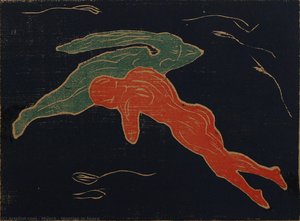
Compton Nocturne

 Prikaži više
Ručno rađena uljana reprodukcija
Ručno oslikano uljanim bojama na platnu u dimenzijama i okviru po vašem izboru, izrađeno po narudžbi od strane naših umjetnika. ( Kupi print Kupi digitalnu sliku)




































Odaberite jednu od naših unaprijed definiranih veličina koje odgovaraju izvornim proporcijama umjetničkog djela.

Možete unijeti vlastite dimenzije kako bi odgovarale određenom okviru ili prostoru. Ako odabrana veličina ne odgovara proporcijama izvorne slike, izrezat ćemo umjetničko djelo ili proširiti sliku dodatnim ručno oslikanim elementima. Digitalni nacrt bit će vam poslan na odobrenje prije početka proizvodnje.
Imajte na umu da pregled na ekranu ne prikazuje stvarno izrezivanje ili proširivanje. Samo će nacrt točno prikazati konačni sastav.
Iako su dostupne prilagođene veličine, preporučujemo odabir dimenzije s preddefiniranog popisa kako bismo očuvali izvorne proporcije.
Nakon narudžbe, tim AllPaintingsStore.com kontaktirat će klijenta putem e-pošte radi dobivanja uputa te dostaviti probni prikaz (mockup).
Isporuka širom svijeta () u roku od 3-4 tjedna umjesto standardnih 5 tjedana. (23 Kolovoz). Bez kompromisa u kvaliteti.

Besplatna ekspresna dostava širom svijeta

Visokokvalitetno laneno platno

Potpuno osiguranje dostave

Jamstvo povrata carine i uvoznih poreza

Garancija vjernog podudaranja boja

Politika povrata u roku od 60 dana (samo u slučaju nedostataka)

Jamstvo povrata 100% novca

Popust na više proizvoda
 Opcija stakla dostupna je samo za dimenzije manje od 110 cm

Compton Nocturne
Tehnika reprodukcije
Veličina reprodukcije
-


Ukupna cijena
$ 258
Srodna umjetnička djela


Biografija umjetnika
A Legacy Forged in Found Objects: The World of Alison Saar
Alison Saar, born in Los Angeles in 1956, emerges as a pivotal figure in contemporary sculpture and installation art, her work deeply resonant with themes of African diaspora, Black female identity, and the enduring power of spirituality. Her artistic journey isn’t simply a creation *of* objects but a profound act of transformation—breathing new life and meaning into discarded materials, imbuing them with narratives of history, culture, and personal experience. Growing up in Laurel Canyon, California, Saar was nurtured within an intensely creative environment; her mother, the celebrated assemblage artist Betye Saar, instilled a fascination with metaphysical traditions and the evocative potential of found objects, while her father, Richard Saar, a painter and art conservator, sparked an early curiosity about diverse cultures through his restoration work. This unique upbringing laid the foundation for Saar’s distinctive artistic voice—one that would become synonymous with reclaiming marginalized histories and celebrating Black womanhood.Early Influences and Artistic Development
Saar's formal education at Scripps College, where she earned a BA in art history in 1978, provided a crucial academic framework for her burgeoning artistic interests. Studying the art of the African diaspora under Dr. Samella Lewis proved particularly formative, encouraging her to explore the rich visual traditions and complex narratives within those communities. However, it was her MFA studies at the Otis Art Institute in Los Angeles (1981) that marked a turning point—the moment she began sculpting in wood, creating figures imbued with a physicality and presence that would become hallmarks of her style. A pivotal residency at the Studio Museum in Harlem in 1983 proved transformative. Immersed in the urban landscape, Saar began incorporating found objects from the city streets into her work, recognizing their inherent “memory and spirit.” This practice wasn’t merely about aesthetic choice; it was a deliberate act of reclaiming discarded fragments of history, giving voice to stories often overlooked or silenced. The influence of Southwest Native American and Mexican art also became increasingly apparent during a 1985 residency in Roswell, New Mexico, adding another layer of complexity to her already multifaceted artistic vocabulary.Themes of Identity, History, and Spirituality
Saar’s sculptures are rarely static; they pulse with an energy born from the confluence of personal, cultural, and historical references. Her work consistently grapples with issues of gender, race, heritage, and spirituality—often focusing on the experiences of Black women in America. She doesn't shy away from difficult subjects, confronting themes of trauma, resilience, and resistance head-on. The found objects she employs – rough-hewn wood, tin ceiling panels, nails, shards of pottery, urban detritus – are not simply materials but potent symbols laden with meaning. Her iconic piece *Subway Preacher* exemplifies this approach, transforming a seemingly mundane object into a powerful commentary on faith and the Black experience. Similarly, *Strange Fruit*, a hauntingly beautiful work referencing Billie Holiday’s protest song, serves as a stark reminder of racial violence and injustice. Saar's art is deeply rooted in African folklore and spirituality, drawing inspiration from deities like Mami Wata—a water spirit revered across Africa and the diaspora—and incorporating elements of Caribbean and Latin American religious traditions. This exploration of spiritual beliefs isn’t merely aesthetic; it’s a deliberate attempt to connect with ancestral wisdom and reclaim cultural narratives that have been historically suppressed.Major Achievements and Recognition
Throughout her career, Alison Saar has received numerous accolades for her groundbreaking work. She has been honored with achievement awards from institutions including the New York City Art Commission and the Institute of Contemporary Art in Boston, solidifying her position as a leading voice in contemporary art. Her sculptures have been exhibited in major museums across the United States and internationally, including the Whitney Museum of American Art, the Walker Art Center, and the High Museum of Art. In 2012, she participated in the *AFRO: Black Identity in America and Brazil* project at Tamarind Institute, creating a series of lithographs that further explored themes of identity and cultural heritage. More recently, Saar was selected to create an Olympic sculpture for the 2024 Paris Olympics—a testament to her enduring artistic influence and commitment to social justice. Her commission to create a statue of Lorraine Hansberry in Times Square (unveiled in 2022) stands as a powerful symbol of Black female empowerment and literary achievement, bringing a vital voice to the heart of New York City.Historical Significance and Enduring Legacy
Alison Saar’s work occupies a unique space within contemporary art—bridging sculpture, installation, and social commentary with remarkable grace and power. She is not simply an artist; she is a storyteller, a cultural historian, and a champion of marginalized voices. Her ability to transform found objects into potent symbols of identity, history, and spirituality has resonated deeply with audiences worldwide. Her sculptures challenge conventional notions of beauty and representation, offering alternative narratives that celebrate Black womanhood and reclaim forgotten histories. Saar’s influence extends beyond the realm of art; she inspires a new generation of artists to engage with social issues, explore their own cultural heritage, and use their creativity as a tool for change. Her legacy is one of resilience, reclamation, and the enduring power of art to transform both objects and perspectives.
alison nicole saar
1956 - , United States of America
Osnovne informacije
- Artistic Movement Or Style: Mixed-media sculpture
- Artists Who Influenced This Artist:
- Betye Saar
- Richard Saar
- Date Of Birth: February 5, 1956
- Full Name: Alison Nicole Saar
- Nationality: American
- Notable Artworks:
- Subway Preacher
- Strange Fruit
- Washtub Blues
- Place Of Birth: Los Angeles, USA


