


 Pregledaj u stvarnoj veličini
 Pošalji
 Podijeli
 Detalji o umjetničkom djelu

 Preuzmi
 Slični predmeti
 Rentgenska snimka
 Automatska prezentacija
Window (forest)
 2009
2009 46.0 x 31.0 cm
 EMMA - Espoo Museum of Modern Art
 Prikaži više
Giclée / Umjetnički otisak
Giclée tisak muzejske kvalitete ili otisak na platnu uz brzu proizvodnju i fleksibilne opcije završne obrade. ( Kupi ručno naslikanu sliku Kupi digitalnu sliku)




































Odaberite jednu od naših unaprijed definiranih veličina koje odgovaraju izvornim proporcijama umjetničkog djela.

Možete unijeti vlastite dimenzije kako biste umjetničko djelo prilagodili specifičnom okviru ili prostoru. Ako odabrana veličina ne odgovara proporcijama izvornog rada, izrezat ćemo dio slike ili je proširiti pomoću ogledalnog efekta ili jednobojne rubne površine. Digitalni prikaz (mockup) bit će vam poslan na odobrenje prije početka proizvodnje.
Imajte na umu da pregled na zaslonu ne odražava stvarno izrezivanje ili proširivanje. Samo će mockup točno prikazati konačnu kompoziciju.
Iako su dostupne prilagođene veličine, preporučujemo odabir dimenzije iz unaprijed definirane liste kako biste očuvali izvorne proporcije.
Dostava širom svijeta () u roku od 2 tjedna umjesto standardnih 4/5 tjedana. (19 Kolovoz)

Besplatna ekspresna dostava širom svijeta

Visokokvalitetno laneno platno

Potpuno osiguranje dostave

Jamstvo povrata carine i uvoznih poreza

Garancija vjernog podudaranja boja

Politika povrata u roku od 60 dana (samo u slučaju nedostataka)

Jamstvo povrata 100% novca

Popust na više proizvoda
 Opcija stakla dostupna je samo za dimenzije manje od 110 cm

Window (forest)
Giclée / Umjetnički otisak
Veličina reprodukcije
-


Ukupna cijena
$ 64
Srodna umjetnička djela


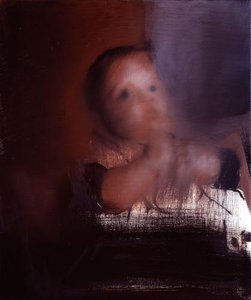

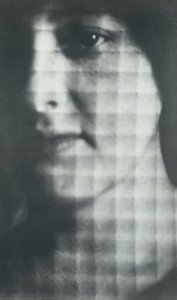


Biografija umjetnika
Jean-Michel Basquiat: A Life Forged in the Crucible of New York
Jean-Michel Basquiat, a name synonymous with raw energy and defiant expression, emerged from the vibrant, turbulent landscape of 1980s New York City. Born in Brooklyn in 1960 to Haitian immigrant parents, his early life was steeped in cultural duality – the rhythms of Caribbean heritage intertwined with the burgeoning street art scene of America’s urban heart. This complex background profoundly shaped his artistic vision, informing a body of work that grappled with themes of race, class, power, and identity with unflinching honesty. Initially collaborating with Al Diaz under the pseudonym SAMO, Basquiat and Diaz plastered the Lower East Side with enigmatic graffiti poems, challenging established art institutions and laying the groundwork for Basquiat’s later, more individualistic style.
- Early Influences: Basquiat's artistic journey was fueled by a diverse range of influences. He devoured literature – particularly the works of Edgar Allan Poe and Charles Baudelaire – absorbing their explorations of darkness, alienation, and the subconscious. His interest in music, especially jazz and blues, provided a rhythmic foundation for his visual language.
- The SAMO Period (1976-1981): This collaborative phase saw Basquiat and Diaz producing hundreds of cryptic poems and images on walls throughout Manhattan. These works were not merely graffiti; they were a deliberate critique of American society, questioning consumerism, racism, and the hypocrisy of the art world.
- Transition to Painting: By 1982, Basquiat began to transition from street art to painting, developing his signature style characterized by bold colors, fragmented figures, and layered symbolism.
The Language of Symbols and Social Commentary
Basquiat’s paintings are not easily deciphered; they operate as a complex visual lexicon, rich in personal iconography and historical references. He frequently employed skulls – a potent symbol of mortality and the fragility of life – alongside crowns, representing royalty and aspiration, often juxtaposed with images of poverty and oppression. His work is deeply rooted in African art and mythology, drawing on motifs of power, spirituality, and ancestral connection. The incorporation of text—words, phrases, and names—further layered meaning into his compositions, creating a dialogue between image and language.
- Skull Imagery: The recurring skull motif served as a constant reminder of mortality, reflecting Basquiat’s awareness of his own precarious existence and the systemic inequalities that plagued society.
- Crowns and Royalty: These symbols represented Basquiat's ambition to transcend social limitations and achieve recognition within the art world, while simultaneously critiquing the concept of inherited privilege.
- Historical References: He frequently referenced historical figures—from abolitionists like Frederick Douglass to jazz musicians like Miles Davis—weaving their stories into his visual narratives.
A Short but Monumental Career
Despite his tragically short life – Basquiat died in 1988 at the age of 27 from a heroin overdose – he left an indelible mark on the art world. His meteoric rise to fame was remarkable, culminating in exhibitions at prestigious institutions like the Whitney Museum of American Art and Documenta in Kassel. He quickly became one of the most celebrated artists of his generation, challenging conventional notions of artistic expression and pushing the boundaries of neo-expressionism.
- Documenta 7 (1982): Basquiat’s inclusion in this landmark international art exhibition catapulted him to international recognition.
- Whitney Biennial (1982 & 1988): His exhibitions at the Whitney Museum solidified his position as a leading voice within the American art scene.
- Critical Acclaim and Market Value: Basquiat’s work quickly gained significant critical acclaim and, subsequently, substantial market value, becoming one of the most sought-after artists of the 1980s.
Legacy and Enduring Relevance
Jean-Michel Basquiat's art continues to resonate deeply with contemporary audiences. His unflinching exploration of race, identity, and social injustice remains profoundly relevant in an era grappling with similar issues. More than just a painter, he was a cultural commentator, a poet of the streets, and a visionary artist who challenged the status quo and demanded recognition for his unique perspective. His work serves as a powerful reminder of the complexities of American history and the enduring struggle for equality and justice – a legacy etched in vibrant color and defiant symbolism.

anni leppälä
1981 - , Finland
Osnovne informacije
- Artistic Movement Or Style: Neo-expressionism
- Artists Or Movements Influenced By This Artist:
- Graffiti art
- Hip-hop culture
- Artists Who Influenced This Artist:
- Pace
- Pollock
- Dubois
- Date Of Birth: December 22, 1960
- Date Of Death: August 12, 1988
- Full Name: Jean-Michel Basquiat
- Nationality: American
- Notable Artworks:
- Irony of Negro Policeman
- Skull of Doom
- Untitled (1982)
- Boy and Dog in a Johnnypump
- Defacement
- Hollywood Africans
- Place Of Birth: New York City, USA



