Oil On Canvas.

§ 1Catalogue data


§ 2Abstract
Opis kolekcionarskog predmeta
 Prikaži više
Biografija umjetnika
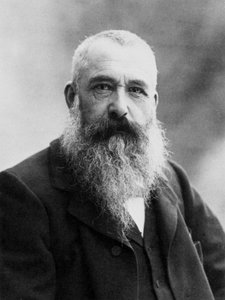
Istražite svijet Claudea Moneta, impresionističkog majstora poznatog po dočaravanju prolaznog svjetla i boja kroz ikonične pejzaže poput Lopoča i Snopova].
§ 3Commentary
Poplars on the Epte: A Symphony of Light and Impression
Claude Monet’s “Poplars on the Epte,” painted in 1891, transcends mere landscape depiction; it embodies the very essence of Impressionism—a radical departure from academic conventions that sought to capture not just what was seen but how it *felt*. Situated along the tranquil Epte River near Giverny, France, this canvas presents a deceptively simple scene: slender poplar trees silhouetted against the muted hues of twilight.
Composition and Style Monet’s genius lies in his masterful manipulation of light. Unlike traditional artists who meticulously rendered details with precise shading, Monet employed loose brushstrokes—a hallmark of Impressionism—to convey the fleeting atmospheric conditions. The artist prioritized capturing the ephemeral quality of sunlight filtering through the foliage, resulting in a textured surface that vibrates with color and movement. Observe how Monet skillfully blends shades of yellow, orange, and green to depict the autumnal brilliance of the poplar leaves.
Historical Context “Poplars on the Epte” emerged during a pivotal moment in Monet’s artistic evolution. He was actively refining his Impressionist style, rejecting the rigid rules imposed by the Salon Académique—the official art exhibition of Paris—and embracing plein air painting as his primary method. This bold decision challenged established artistic dogma and cemented Monet's position as a pioneer of modern art.
Symbolism and Emotional Impact Beyond its aesthetic beauty, “Poplars on the Epte” carries subtle symbolic resonance. Poplar trees were frequently depicted by Monet in Giverny’s gardens, representing resilience and adaptability—qualities that mirrored his own unwavering dedication to artistic experimentation. The painting evokes a profound sense of serenity and contemplation, inviting viewers to immerse themselves in the beauty of nature and appreciate the transformative power of light.
Technique Monet achieved this ethereal effect through layering thin glazes of oil paint—a technique perfected by Impressionists—allowing colors to blend seamlessly on the canvas. The resulting luminosity is remarkable, capturing the subtle nuances of color that would have been lost in more conventional painting styles. This meticulous attention to detail underscores Monet’s commitment to conveying not just visual information but also emotional experience.
- Provenance: Musée Marmottan Monet
- Medium: Oil on Canvas
- Dimensions: Unknown
If you aspire to own a stunning reproduction of “Poplars on the Epte,” AllPaintingsStore.com offers exceptional quality prints crafted by classically trained artists, ensuring that you experience Monet’s legacy in its purest form.
Pitanja i odgovori
Za koji prostor preporučujemo "Poplars on the Epte" autora Claude Monet?
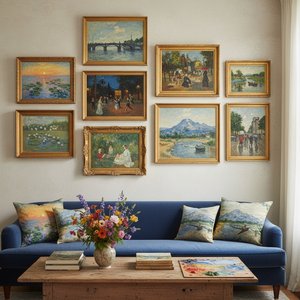
Reprodukcija djela "Poplars on the Epte" izvrsno se uklapa u Living Room.
Koliko je "Poplars on the Epte" u cijelosti svijetlo?
Percipirana svjetlina djela "Poplars on the Epte" autora Claude Monet iznosi brilliant, što mu omogućuje da se savršeno uklopi s osvjetljenjem namještenog prostora.
Za što se preporučuje korištenje printa djela "Poplars on the Epte"?
Reprodukcija djela "Poplars on the Epte" autora Claude Monet preporučuje se za Accent. Ovaj prijedlog proizlazi iz teme, atmosfere i boja samog djela.


 Prebacite na printove


 Za umjetnička djela ili reprodukcije veće od 105 cm (približno 41 inč) na bilo kojoj strani, okvir će biti isporučen u obliku rastavljenog seta za montažu. Ovaj način osigurava sigurnu dostavu i sprječava oštećenja tijekom transporta.