

1926. Ulje na platnu. Nelson-Atkins Museum of Art.

§ 1Katalogski podaci


§ 2Apstraktno
Opis kolekcionarskog predmeta
Upoznajte čarobne 'Vodenike' Moneta – impresionističko remekdjelo koje vječno upijaju sunčevu svjetlost i stvaraju oazu mira. Otkrijte ovu umjetničku legduru i dodajte joj svoj dom!
 Prikaži više
Biografija umjetnika
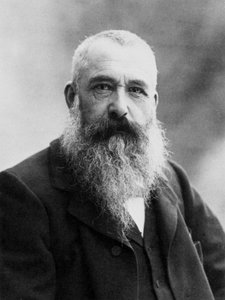
Istražite svijet Claudea Moneta, impresionističkog majstora poznatog po dočaravanju prolaznog svjetla i boja kroz ikonične pejzaže poput Lopoča i Snopova].
§ 3Komentar
Claude Monet's Water Lilies: A Symphony of Light and Reflection
Claude Monet’s “Water Lilies” are more than just depictions of a tranquil pond; they represent a profound exploration of light, color, and the very essence of perception. Created in the twilight years of his extraordinary career, this series, culminating in this particular canvas from 1926, embodies the culmination of Monet's lifelong pursuit to capture the ephemeral beauty of nature – a quest that defined the Impressionist movement itself.
A Contemplative Garden and its Artistic Legacy
In 1893, Claude Monet embarked on a transformative project at his Giverny estate. He meticulously crafted a Japanese-inspired water garden, a deliberate sanctuary designed not just for aesthetic pleasure but as an active invitation to contemplation. This wasn't merely horticultural artistry; it was a carefully orchestrated environment intended to stimulate the creative spirit. For the final two decades of his life, this serene space became the unwavering subject of Monet’s paintings, and this canvas – part of a larger triptych – stands as a testament to that dedication. The garden itself, with its lily pond reflecting the sky, was a constant source of inspiration, a living laboratory for Monet's evolving artistic vision.
Impressionistic Technique: Capturing Fleeting Moments
What immediately draws the eye is Monet’s masterful application of Impressionist technique. This isn’t about photographic realism; it’s about capturing an *impression* – the fleeting, subjective experience of light and color as they interact with a scene. The visible brushstrokes are not haphazard; they are deliberately loose and expressive, creating a textured surface that vibrates with life and movement. Horizontal lines dominate, mirroring the stillness of the water's surface, while subtle curves delicately represent the lily pads and the gentle ripples caused by the breeze. Monet employed thin washes of oil paint, layering them meticulously to build up both color intensity and textural depth. This technique allows light to dance across the canvas, faithfully recreating the shimmering effect of sunlight on water – a truly remarkable feat of observation and artistic skill.
Symbolism and Emotional Resonance
Beyond its purely aesthetic qualities, “Water Lilies” carries profound symbolic weight. The pond itself represents a space of peace, introspection, and connection with nature. The lily pads, floating serenely on the surface, symbolize purity, serenity, and renewal – themes frequently explored in Impressionist art. Monet’s deliberate flattening of perspective and his rejection of traditional spatial conventions contribute to an overall feeling of dreamlike tranquility, inviting the viewer to step into a world unbound by rigid rules or expectations. The scale of these monumental canvases, combined with Monet's innovative brushwork, foreshadowed elements of Abstract Expressionism, suggesting a move towards pure visual experience rather than representational accuracy – a bold and visionary leap for its time.
A Lasting Impression: Monet’s Vision Realized
Claude Monet’s “Water Lilies” series stands as a timeless testament to his unwavering dedication to capturing the fleeting beauty of nature. This particular panel offers a glimpse into the artist's profound connection with his Giverny garden, transforming a personal sanctuary into a universal symbol of peace and contemplation. The painting’s enduring appeal lies in its ability to evoke a sense of calm, wonder, and quiet reflection – inviting viewers to lose themselves in the shimmering reflections and vibrant colors of Monet’s aquatic paradise. It is a piece that speaks not just to the eye, but to the soul.
Pitanja i odgovori
U kojem je razdoblju nastalo "Vodenike" autora Claude Monet?
"Vodenike" autora Claude Monet potječe iz razdoblja 19. stoljeće. To razdoblje daje povijesni kontekst djela.
Koliko je poznato djelo "Vodenike" autora Claude Monet?
Zabilježena razina popularnosti za "Vodenike" autora Claude Monet iznosi Ikonični.
Kako se pokret Impressionizam u djelu "Vodenike" povezuje s domovinom umjetnika?
"Vodenike" povezuje pokret Impressionizam s Francuska kroz rodno mjesto svog tvorca.


 Prebacite na printove


 Za umjetnička djela ili reprodukcije veće od 105 cm (približno 41 inč) na bilo kojoj strani, okvir će biti isporučen u obliku rastavljenog seta za montažu. Ovaj način osigurava sigurnu dostavu i sprječava oštećenja tijekom transporta.


