


 Pregledaj u stvarnoj veličini
 Pošalji
 Podijeli
 Detalji o umjetničkom djelu

 Preuzmi
 Slični predmeti
 Rentgenska snimka
 Automatska prezentacija
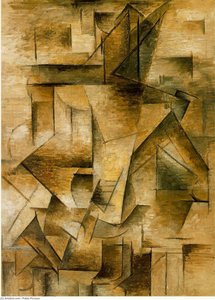
Fragment (Hanging)
 500
500 136.0cm x 88.0cm
 Prikaži više
Ručno rađena uljana reprodukcija
Ručno oslikano uljanim bojama na platnu u dimenzijama i okviru po vašem izboru, izrađeno po narudžbi od strane naših umjetnika. ( Kupi print Kupi digitalnu sliku)




































Odaberite jednu od naših unaprijed definiranih veličina koje odgovaraju izvornim proporcijama umjetničkog djela.

Možete unijeti vlastite dimenzije kako bi odgovarale određenom okviru ili prostoru. Ako odabrana veličina ne odgovara proporcijama izvorne slike, izrezat ćemo umjetničko djelo ili proširiti sliku dodatnim ručno oslikanim elementima. Digitalni nacrt bit će vam poslan na odobrenje prije početka proizvodnje.
Imajte na umu da pregled na ekranu ne prikazuje stvarno izrezivanje ili proširivanje. Samo će nacrt točno prikazati konačni sastav.
Iako su dostupne prilagođene veličine, preporučujemo odabir dimenzije s preddefiniranog popisa kako bismo očuvali izvorne proporcije.
Nakon narudžbe, tim AllPaintingsStore.com kontaktirat će klijenta putem e-pošte radi dobivanja uputa te dostaviti probni prikaz (mockup).
Isporuka širom svijeta () u roku od 3-4 tjedna umjesto standardnih 5 tjedana. (19 Kolovoz). Bez kompromisa u kvaliteti.

Besplatna ekspresna dostava širom svijeta

Visokokvalitetno laneno platno

Potpuno osiguranje dostave

Jamstvo povrata carine i uvoznih poreza

Garancija vjernog podudaranja boja

Politika povrata u roku od 60 dana (samo u slučaju nedostataka)

Jamstvo povrata 100% novca

Popust na više proizvoda
 Opcija stakla dostupna je samo za dimenzije manje od 110 cm

Fragment (Hanging)
Tehnika reprodukcije
Veličina reprodukcije
-


Ukupna cijena
$ 258
Opis umjetničkog djela
Srodna umjetnička djela


Biografija umjetnika
Coptic Art: Exploring the Legacy of Ragheb Ayad
Ragheb Ayad (1892 – 1982) stands as a pivotal figure in Egyptian art history, embodying the spirit of innovation and cultural preservation during a transformative era. Born in Faggala, Cairo, he embarked on an artistic journey shaped by formal education at the École des Frères and subsequent enrollment in the School of Fine Arts established by Prince Youssef Kamal—a landmark institution that championed European artistic methodologies while nurturing Egyptian talent. Among his peers were Mahmoud Mokhtar (1891 – 1934), Youssef Kamel (1891 – 1971), Antoine Haggar (1896 – 1962) and Mohammed Hassan (1892 – 1961)—artists who would collectively define the “pioneers” (*ar-ruwwād*) generation, marking a decisive break from traditional artistic conventions. His formative years at the School of Fine Arts instilled in Ayad a profound understanding of Western artistic principles—particularly those championed by École Supérieure des Beaux-Arts de Paris and Royal Academy of Fine Arts in Rome—influencing his stylistic choices throughout his career. Recognizing the importance of international exchange, he collaborated with Youssef Kamel on an ambitious project: establishing an Egyptian Academy in Rome mirroring the models of other European academies. This initiative underscored Ayad’s commitment to fostering artistic dialogue and elevating Egyptian art within the broader context of global cultural discourse. Ayad's artistic output spanned decades, characterized by a distinctive folklorist style that distinguished him from his contemporaries. Rejecting purely academic pursuits, he embraced the vibrant traditions of rural Egypt—capturing scenes of daily life in marketplaces, agricultural labor, and convivial cafés—as well as delving into ritualistic practices like *zār* (Nubian trance dance) and *taḥtīb* (Upper Egyptian stick fighting). These subjects resonated deeply with Ayad’s artistic sensibilities, reflecting his fascination for the authentic expressions of Egyptian culture. Furthermore, Ayad devoted considerable effort to portraying religious iconography—primarily Coptic monasteries—demonstrating a profound reverence for Christian heritage. His meticulous technique—employing egg tempera and gouache—produced canvases imbued with textural richness and luminous color palettes that conveyed both visual beauty and spiritual depth. Notably, he meticulously recreated the Monastery of St Mary Garden City’s iconostasis, which is considered one of the most complete programs of iconography produced by Coptic artists during Medieval Egypt. His artistic legacy extends beyond individual artworks; Ayad played a crucial role in shaping the trajectory of Egyptian art education and fostering appreciation for cultural heritage. As director of the Museum of Egyptian Modern Art from 1950 to 1955, he championed the work of Mahmoud Mokhtar—a fellow pioneer—establishing a dedicated section honoring Mokhtar’s sculptural achievements. This commitment to artistic excellence solidified Ayad's position as a champion of Egyptian art and culture, ensuring that his contributions would endure for generations to come. Ragheb Ayad’s enduring influence stems from his pioneering role in blending European artistic training with Egyptian folkloric traditions—a synthesis that produced an unparalleled visual vocabulary reflecting the spirit of Egypt during its modern era. His distinctive style continues to inspire artists today, cementing his place as one of the most important figures in Coptic art history and a testament to the transformative power of cultural exchange.
coptic
Egypt
Osnovne informacije
- Artistic Movement Or Style: Folkorist
- Artists Or Movements Influenced By This Artist: ['European Art']
- Artists Who Influenced This Artist:
- Mahmoud Mokhtar
- Youssef Kamel
- Date Of Death: 1982
- Full Name: Ragheb Ayad
- Nationality: Egyptian
- Notable Artworks:
- The Market Place
- Zār Dance
- Taḥtīb
- Place Of Birth: Cairo, Egypt



