


 Pregledaj u realnoj veličini
 Pošalji
 Podijeli
 Detalji o umjetničkom djelu
 Vodič
Vodič

 Preuzmi umjetničko djelo
 Slični predmeti
 Rentgenska snimka
 Slide show
 Pitanja i odgovori
 Statistika
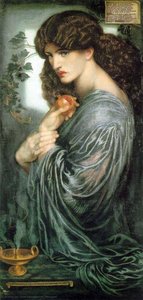
Proserpine


 Prikaži više
Giclée / Umjetnički otisak
Giclée tisak muzejske kvalitete ili otisak na platnu uz brzu izradu i raznolike opcije završne obrade. ( Kupi ručno oslikano djelo Prebacite na digitalnu sliku)




P118B €10

P118H €10

P118W €10

P438Z €10

P508JH €12

P508YH €12

P805H €10

P805Z €10

P919BZ €10

P919G €10

P919XJ €10

P959ZH €10

P968JZ €12

W106C €8

W218G €10

W218JH €8

W218Y €10

W307PJ €10

W316G €10

W316PJ €8

W316Y €10

W398PJ €8

W4111J €10

W500HY €15

W500JH €15

W692G €12

W849H €8

W940BG €15

W953PJ €8




Odaberite jednu od naših unaprijed definiranih veličina koje odgovaraju izvornim proporcijama umjetničkog djela.

Unesite potrebnu širinu i visinu kako bi odgovarali vašem okviru ili zidu. Print se može samo izrezati, nikada ne može biti veći od slike, stoga format s drugačijim omjerom stranica uzrokuje gubitak dijela slike. Prije bilo kakve štampe šaljemo vam digitalni prikaz (mockup) na odobrenje. Slika prikazana na ovoj stranici ne prikazuje stvarni rez — to prikazuje isključivo digitalni prikaz.
Dostava širom svijeta () u roku od 2 tjedna umjesto standardnih 4/5 tjedana. (6 Studeni)

Besplatna ekspresna dostava širom svijeta

Visokokvalitetno laneno platno

Potpuno osiguranje dostave

Jamstvo povrata carine i uvoznih poreza

Jamstvo vjernosti boja

Politika povrata u roku od 100 dana (samo u slučaju nedostataka)

Jamstvo povrata 100% novca

Popust na više proizvoda
 Opcija stakla dostupna je samo za dimenzije manje od 110 cm

Proserpine
Giclée / Umjetnički otisak
Veličina reprodukcije
-


Ukupna cijena
€ 58
A Vision of Mythological Splendor
In the hallowed halls of art history, few images possess the haunting allure of Dante Gabriel Rossetti’s Proserpine. Completed in 1874, this masterpiece serves as a profound meditation on the duality of existence, capturing a moment suspended between the vibrant world of the living and the somber shadows of the underworld. The painting portrays Proserpine, the Roman goddess of springtime, not merely as a mythological figure, but as an embodiment of quiet resignation and eternal longing. As she gazes out from her subterranean realm, her expression invites the viewer into a deeply personal encounter with beauty and sorrow. For collectors and lovers of fine art, this work offers more than just a visual feast; it provides a window into the soul of the Pre-Raphaelite movement, where every detail is steeped in poetic meaning.Mastery of Light and Texture
Rossetti’s technical prowess is on full display through his meticulous use of glazing techniques, which imbue the canvas with an ethereal, luminous quality. By applying layers of translucent paint over opaque undercoats, he achieved a breathtaking depth that allows light to seem as though it is emanating from within the painting itself. The texture of Proserpine’s flowing garments—rendered in rich, deep tones—contrasts exquisitely with the soft, delicate glow of her skin. His palette, dominated by muted greens, earthy browns, and subtle yellows, creates a melancholic yet elegant atmosphere that is perfect for sophisticated interior spaces. This careful manipulation of color and light does not merely depict a scene; it constructs an emotional landscape, where the verdant hints of life struggle against the encroaching darkness of Hades.Symbolism and the Pre-Raphaelite Spirit
Beyond its aesthetic brilliance, Proserpine is a tapestry of complex symbolism that reflects the Victorian fascination with literature and myth. The pomegranate or apple held in her hand serves as a potent symbol of temptation and the inescapable bond to the underworld, a narrative thread that connects the viewer to the ancient tales of Virgil and Dante. Rossetti, a polymath who was as much a poet as a painter, infused this work with the same rhythmic intensity found in his verses. The painting stands as a testament to the Pre-Raphaelite rejection of rigid academic conventions, opting instead for an uncompromising sincerity and an expressive power that resonates across centuries. For those seeking to adorn their homes with art that inspires contemplation, this reproduction offers a timeless connection to the romantic ideals of a bygone era, bringing a sense of historical depth and narrative mystery to any curated collection.Pitanja i odgovori
Gdje mogu pronaći statistiku o djelu "Proserpine" autora Dante Gabriel Rossetti?
Postoji Statistika pregleda stranica za "Proserpine". Ona prikazuje mjesečne posjete umjetničkom djelu i drugim djelima umjetnika, uz podelu prema zemljama i jezicima.
Koji emocionalni ton prati stil Pre-Raphaelite Brotherhood u djelu "Proserpine"?
"Proserpine" odiše Melancholic emocionalnim tonom unutar pokreta Pre-Raphaelite Brotherhood.
Koja veličina tiska za "Proserpine" autora Dante Gabriel Rossetti najbolje odgovara preporučenoj prostoriji?
Za Living Room, preporučena veličina printa za "Proserpine" autora Dante Gabriel Rossetti je Large.
Srodna umjetnička djela



Biografija umjetnika
Dante Gabriel Rossetti (1828 – 1882) Poet, illustrator, painter
Dante Gabriel Rossetti was born in London on May 12, 1828, the second child and eldest son of Italian expatriates Gabriele Rossetti, a Dante scholar who had been exiled from Naples for writing poetry in support of the Neapolitan Constitution of 1819, and Frances Polidori Rossetti, a governess whose father Gaetano Polidori, from Tuscany, had married an English woman. His family’s intellectual heritage profoundly shaped his artistic sensibilities—a legacy that extended beyond mere biographical details to encompass a deep appreciation for literature and the arts. From a young age, he demonstrated exceptional talent in drawing and writing, foreshadowing the multifaceted career that would define his life.Early Life and Artistic Influences
Gabriel’s education was overseen by his mother, who instilled in him a love of learning and encouraged his intellectual curiosity. He devoured the works of Shakespeare, Dickens, Scott, Byron, and Wordsworth—literary giants whose influence permeated his imaginative landscape. Notably, he found inspiration in the poetry of John Keats and William Blake, artists who championed emotional intensity and visionary imagination as alternatives to academic conventions. The discovery of Blake’s writings in 1847 proved particularly transformative, sparking Rossetti's fascination with mythology and symbolism—themes that would become central to his artistic vision. He meticulously studied the techniques employed by Rembrandt and Rubens, absorbing their mastery of chiaroscuro (the dramatic interplay of light and shadow) and anatomical precision. These formative influences instilled in him a commitment to truthful representation combined with expressive artistry.The Pre-Raphaelite Brotherhood: A Revolt Against Convention
Rossetti’s artistic trajectory took an irreversible turn in 1848 when he co-founded the Pre-Raphaelite Brotherhood alongside William Holman Hunt and John Everett Millais—a movement that represented a radical challenge to the prevailing aesthetic standards of Victorian England. Dissatisfied with the idealized forms and decorative conventions favored by the Royal Academy, the Brotherhood sought to revive the artistic spirit of Italy *before* the High Renaissance—hence “Pre-Raphaelite.” This meant rejecting academic art’s preoccupation with classical mythology and embracing instead a meticulous observation of nature and a fervent devotion to moral seriousness. Rossetti's early paintings, such as *The Girlhood of Mary Virgin*, exemplify this ethos, showcasing an astonishing level of detail alongside symbolic imagery drawn from biblical texts and medieval romances. The Brotherhood’s manifesto articulated its conviction that art should serve as a conduit for spiritual contemplation—a stance that distinguished it from the commercialized culture of London society.Developing Style: Symbolism and Sensuality
Throughout his artistic career, Rossetti experimented with diverse stylistic approaches—moving gradually away from strict Pre-Raphaelite realism toward more evocative symbolism and dreamlike imagery. His paintings became increasingly infused with sensual desire—exploring themes of love, loss, and spiritual longing with profound emotional depth. This stylistic evolution was partly driven by his personal life, particularly his intimate relationship with Elizabeth Siddal—whom he married in 1860—and his enduring fascination with Jane Morris. Siddal served as Rossetti’s muse for many years, embodying an idealized feminine beauty that captivated him and inspired countless artworks. His paintings often depicted women bathed in ethereal light, adorned with flowing crimson hair—a visual motif that reflected his preoccupation with medieval symbolism and spiritual aspiration. Works like *Proserpine* exemplify this later style, demonstrating Rossetti’s mastery of color and composition—elements designed to evoke a sense of otherworldly enchantment.Legacy and Influence: Shaping Aesthetic Vision
Dante Gabriel Rossetti's artistic legacy extends far beyond his own lifetime—leaving an indelible mark on the course of Victorian art and profoundly influencing subsequent generations of artists and writers. He championed emotional intensity and subjective experience as paramount values—a stance that resonated with a cultural milieu yearning for alternatives to academic formalism. His work served as a catalyst for the emergence of Symbolism—a movement characterized by its exploration of psychological states and its embrace of mystical imagery—and contributed significantly to the development of Aestheticism—which prioritized beauty above all else. Artists like William Morris and Edward Burne-Jones were deeply inspired by Rossetti’s aesthetic principles, incorporating them into their distinctive artistic styles. Dante Gabriel Rossetti remains an important figure in understanding not only the history of art but also the broader cultural context in which it was created—a testament to his enduring contribution to Western artistic heritage.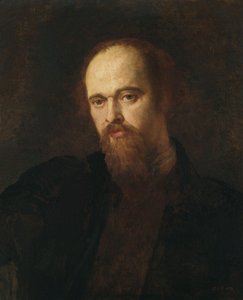
Dante Gabriel Rossetti
1828 - 1882 , Velika Britanija
Osnovne informacije
- Artistic Movement Or Style: Pre-Raphaelite
- Artists Who Influenced This Artist:
- John Keats
- William Blake
- Date Of Birth: 12. svibnja 1828.
- Date Of Death: 9. travnja 1882.
- Full Name: Dante Gabriel Rossetti
- Nationality: Engleski
- Notable Artworks:
- Proserpine
- Joan of Arc
- King Rene's Honeymoon
- Place Of Birth: London, UK
Srodni članci

Pre-Raphaelite Romanticism: A Guide to Vivid Detail and Medieval Beauty in Victorian Art
Explore the vivid detail and medieval beauty of Pre-Raphaelite Romanticism. Discover the history of masters like Rossetti and Millais through our expert guide to Victorian art, perfect for collectors and professionals seeking authentic, museum-quality reproductions.


