


 Pregledaj u stvarnoj veličini
 Podijeli
 Podijeli
 Detalji
 Vodič
Vodič

 Preuzmi datoteku
 Slični predmeti
 Rentgenska snimka
 Slide show
 Statistika
Tombstone of Bishop Giovanni Pecci
 Acrylic On Canvas
- WallArt
- Early Renaissance
 1426
1426 247.0 x 88.0 cm
 Duomo
Duomo
 Pročitajte više
Ručno rađena uljana reprodukcija
Ručno oslikano uljanim bojama na platnu u dimenzijama i okviru po vašem izboru, izrađeno po narudžbi od strane naših umjetnika. ( Prebacite na prodaju printova Prebacite na digitalnu prodaju slika)




P118B $10

P118H $10

P118W $10

P438Z $10

P508JH $12

P508YH $12

P805H $10

P805Z $10

P919BZ $10

P919G $10

P919XJ $10

P959ZH $10

P968JZ $12

W106C $8

W218G $10

W218JH $8

W218Y $10

W307PJ $10

W316G $10

W316PJ $8

W316Y $10

W398PJ $8

W4111J $10

W500HY $15

W500JH $15

W692G $12

W849H $8

W940BG $15

W953PJ $8




Odaberite jednu od naših unaprijed definiranih veličina koje odgovaraju izvornim proporcijama umjetničkog djela.

Možete unijeti vlastite dimenzije kako bi odgovarale određenom okviru ili prostoru. Ako odabrana veličina ne odgovara proporcijama izvorne slike, izrezat ćemo umjetničko djelo ili proširiti sliku dodatnim ručno oslikanim elementima. Digitalni nacrt bit će vam poslan na odobrenje prije početka proizvodnje.
Imajte na umu da pregled na ekranu ne prikazuje stvarno izrezivanje ili proširivanje. Samo će nacrt točno prikazati konačni sastav.
Iako su dostupne prilagođene veličine, preporučujemo odabir dimenzije s preddefiniranog popisa kako bismo očuvali izvorne proporcije.
Nakon narudžbe, tim AllPaintingsStore.com kontaktirat će klijenta putem e-pošte radi dobivanja uputa te dostaviti probni prikaz (mockup)
Isporuka širom svijeta () u roku od 3-4 tjedna umjesto standardnih 5 tjedana. (21 Rujan). Bez kompromisa u kvaliteti.

Besplatna ekspresna dostava širom svijeta

Visokokvalitetno laneno platno

Potpuno osiguranje transporta

Jamstvo povrata carine i uvoznih poreza

Jamstvo vjernosti boja

Politika povrata u roku od 100 dana (samo u slučaju nedostataka)

Jamstvo povrata 100% novca

Popust na više proizvoda
 Opcija stakla dostupna je samo za dimenzije manje od 110 cm

Tombstone of Bishop Giovanni Pecci
Tehnika izrade
Veličina reprodukcije
-


Ukupna cijena
$ 258
The Bishop’s Silent Testament: Donatello's Tombstone of Giovanni Pecci
Within the echoing grandeur of Siena Cathedral resides a sculpture that transcends mere funerary art – it is, fundamentally, a meditation on life, death, and the enduring power of memory. Donatello’s “Tombstone of Bishop Giovanni Pecci,” crafted around 1427, isn't simply a depiction of a deceased cleric; it’s an exquisitely realized illusion, a carefully constructed stage for contemplation, and a testament to the artist’s mastery of both classical form and deeply human emotion. The piece immediately captivates with its remarkably lifelike portrayal of Pecci, lying supine within a concave bier, his face serene yet imbued with a palpable sense of repose. This isn't a static representation; Donatello deliberately manipulates perspective to draw the viewer into the scene, creating an intimate and almost unsettlingly realistic encounter with the departed bishop.
A Renaissance Masterpiece: Technique and Materials
Sculted in pristine white marble, the tomb’s surface is a marvel of technical precision. Donatello employed a technique known as “contrapposto,” positioning Pecci's body with a subtle shift in weight that lends him an air of naturalism and movement. The drapery, meticulously rendered, cascades around his form, suggesting both the formality of ecclesiastical attire and the vulnerability of human flesh. Crucially, Donatello utilized a shallow relief technique – a departure from the more deeply incised forms favored by his predecessors – which allowed for greater detail and luminosity within the marble itself. This choice dramatically enhanced the illusion of three-dimensionality, making the tomb appear as if it were an actual space containing a tangible figure. The use of polished marble further contributes to this effect, reflecting light and creating a sense of depth and atmosphere.
Symbolism and Context: A Bishop’s Legacy
The “Tombstone of Giovanni Pecci” is deeply rooted in the cultural and religious context of 15th-century Siena. Pecci, as bishop of Grosseto and apostolic protonotary, held a significant position within the city's ecclesiastical hierarchy. The tomb’s placement within the cathedral’s central choir – a location reserved for prominent figures – underscores his importance and reflects the community’s desire to honor his memory. Beyond its purely commemorative function, the sculpture is laden with symbolic meaning. The concave bier itself represents the embrace of death, while the serene expression on Pecci's face suggests acceptance and peace. The inclusion of a book in his hand—a common motif in funerary art—symbolizes his spiritual life and readiness for judgment. Interestingly, Donatello’s work also reflects humanist ideals prevalent during the Renaissance, emphasizing human dignity and individual worth even in death.
Beyond the Stone: The Viewer's Role
Donatello wasn’t merely creating a portrait of a deceased bishop; he was designing an experience. The artist meticulously positioned the tomb to be viewed from a specific angle, inviting the viewer to step into the scene and become an active participant in Pecci’s remembrance. This deliberate manipulation of perspective—a technique often referred to as “active viewing”—transforms the tomb into a stage for contemplation. The illusion of depth created by Donatello's masterful carving draws the eye inward, fostering a sense of intimacy and connection with the departed figure. The placement within the cathedral further amplified this effect, creating a sacred space where visitors could pause, reflect, and engage in a silent dialogue with Pecci’s memory. It is a powerful reminder that art, at its most profound, invites us to transcend the boundaries of time and space.
A Timeless Reflection: Reproduction and Appreciation
Reproductions of Donatello's “Tombstone of Bishop Giovanni Pecci” offer a remarkable opportunity to experience the artistry and emotional depth of this iconic sculpture. When selecting a reproduction, consider the materials used – high-quality archival paper and pigment are essential for capturing the nuances of color and texture. The scale of the reproduction should also be carefully considered, allowing you to appreciate the intricate details of Donatello’s carving. Whether displayed in a private residence or a public space, this artwork continues to resonate with viewers, serving as a poignant reminder of the enduring power of art to capture the essence of human experience and preserve our collective memory.
Srodna umjetnička djela


Biografija umjetnika
Rani život i početak karijere
Donato di Niccolò di Betto Bardi, poznatiji kao Donatello, rođen je u Firenci, u Italiji, oko 1386. godine. Njegovo proučavanje klasične skulpture duboko je utjecalo na razvoj njegovog stila ranog renesansnog razdoblja. Taj novi pristup umjetnosti i kulturi s vremenom će postati sam obilježje firentinske renesanse.Ključna djela i inovacije
Donatellovo najpoznatije djelo, David, bilo je prva slobodnostojeća muška naga skulptura još od antičkog doba. Naručeno od strane obitelji Medici, ono je prikazalo njegov inovativni stil i tehničku izvrsnost. Među ostala značajna djela možemo izdvojiti:- Sveti Lucijan iz Toulousea (sada u muzeju bazilike Santa Croce), koji je uključivao klasični okvir koji je sam dizajnirao Donatello.
- Žrtvovanje Isaka, stvoreno za zvonik Santa Maria del Fiore u Firenci, prepoznatljivo po snažnim portretnim detaljima.
- Križ (1425.) za Santa Croce, koji je prikazao Krista u trenutku agonije.
Umjetnički stil i naslijeđe
Donatellov stil može se podijeliti u široke faze, počevši od razvoja izražajnosti i klasične monumentalnosti. Njegovo djelo nije odmah bilo prihvaćeno od strane zajednice, ali je s vremenom postalo najpopularnije, utječući na druge talijanske dvorove i europske umjetnike. Ključni umjetnički pokreti:Osobni život i stil rada
Donatello je bio poznat kao ljubazan i voljen čovjek, no slab u poslovnom dijelu svoje karijere. Težio je prihvaćati više narudžbi nego što je mogao obraditi, često završavajući djela sa zakašnjenjem ili ih prepuštajući drugim kiparima. Značajna umjetnička djela i umjetnici:- Leonardo da Vinci: Objavljenje (detalj)
- Amico Aspertini: Statua Pana/Lav koji grize konja
- Michelangelo Buonarroti: Tondo Pitt
Muzeji i umjetničke kolekcije:
- Museo della Collegiata (Empoli, Italija): skriveni dragulj renesanse, koji prikazuje djela Francesca Botticinija i Raffaella Botticinija.
- Pokret rane talijanske renesansne umjetnosti

Donatello
1386 - 1466 , Italija
Brzi pregled
- Artistic Movement Or Style: Rana renesancija
- Artists Or Movements Influenced By This Artist:
- Talijanska renesancija
- Rana renesancija
- Firentinska renesancija
- Artists Who Influenced This Artist: ['Klasična skulptura']
- Date Of Birth: oko 1386.
- Date Of Death: 1466.
- Full Name: Donatello di Niccolò
- Nationality: Talijana
- Notable Artworks:
- David
- Sveti Louis iz Tuluze
- Žrtvovanje Isaka
- Križ
- Place Of Birth: Firenca, Italija
Povezani članci

Bronze Age to Modern Masters: 10 Sculptures That Redefined Art | AllPaintingsStore
Journey through art history with 10 legendary bronze sculptures – from Michelangelo's David to Rodin’s Thinker. Explore the stories, techniques & timeless beauty of these masterpieces. Find museum-quality reproductions & elevate your home decor on AllPaintingsStore.com.

Trajna Baština Brončanog Kiparstva: Povijest, Tehnike i Suvremene Interpretacije
Istražite povijest brončanog kiparstva, tehnike izrade i suvremene interpretacije. Ekskluzivni uvid za kolekcionare umjetnosti i ljubitelje skulptura. Otkrijte vrijednost i očuvanje ovih trajnih djela.

The Enduring Form: Exploring Themes & Techniques in Sculpture Across Historical Periods
Explore the rich history of sculpture from ancient masterpieces to contemporary innovations. Discover key techniques, influential artists & investment potential for discerning art collectors.

The Enduring Form: Sculpture Across History, Technique & Emotional Resonance
Explore the rich history of sculpture with AllPaintingsStore. Discover key techniques, influential artists & investment potential for discerning collectors. Expert insights into valuing and collecting timeless masterpieces.
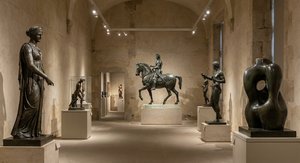
Bronze Sculptures That Defined Art History | AllPaintingsStore
Journey through art history with our Top 10 bronze sculptures! Explore masterpieces by Rodin, Michelangelo & more. Discover stories behind iconic statues and find museum-quality reproductions for your home decor at AllPaintingsStore.com.

