


 Pregledaj u stvarnoj veličini
 Pošalji
 Podijeli
 Detalji o umjetničkom djelu

 Preuzmi
 Slični predmeti
 Rentgenska snimka
 Automatska prezentacija
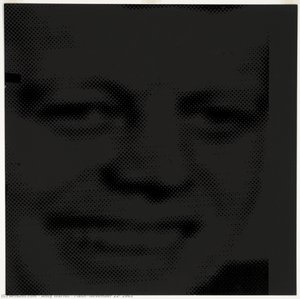
Polizei
 Contemporary Realism
 60.0 x 50.0 cm
 Prikaži više
Giclée / Umjetnički otisak
Giclée tisak muzejske kvalitete ili otisak na platnu uz brzu proizvodnju i fleksibilne opcije završne obrade. ( Kupi ručno naslikanu sliku Kupi digitalnu sliku)




































Odaberite jednu od naših unaprijed definiranih veličina koje odgovaraju izvornim proporcijama umjetničkog djela.

Možete unijeti vlastite dimenzije kako biste umjetničko djelo prilagodili specifičnom okviru ili prostoru. Ako odabrana veličina ne odgovara proporcijama izvornog rada, izrezat ćemo dio slike ili je proširiti pomoću ogledalnog efekta ili jednobojne rubne površine. Digitalni prikaz (mockup) bit će vam poslan na odobrenje prije početka proizvodnje.
Imajte na umu da pregled na zaslonu ne odražava stvarno izrezivanje ili proširivanje. Samo će mockup točno prikazati konačnu kompoziciju.
Iako su dostupne prilagođene veličine, preporučujemo odabir dimenzije iz unaprijed definirane liste kako biste očuvali izvorne proporcije.
Dostava širom svijeta () u roku od 2 tjedna umjesto standardnih 4/5 tjedana. (19 Kolovoz)

Besplatna ekspresna dostava širom svijeta

Visokokvalitetno laneno platno

Potpuno osiguranje dostave

Jamstvo povrata carine i uvoznih poreza

Garancija vjernog podudaranja boja

Politika povrata u roku od 60 dana (samo u slučaju nedostataka)

Jamstvo povrata 100% novca

Popust na više proizvoda
 Opcija stakla dostupna je samo za dimenzije manje od 110 cm

Polizei
Giclée / Umjetnički otisak
Veličina reprodukcije
-


Ukupna cijena
$ 64
Srodna umjetnička djela


Biografija umjetnika
Eberhard Havekost: The Echoes of Richter and the Pursuit of Photographic Truth
Eberhard Havekost (1967 – 5 July 2019) was a German painter whose distinctive approach to artmaking—characterized by meticulous photographic manipulation and an unwavering commitment to exploring the complexities of visual perception—established him as one of the most significant voices in contemporary European painting. Born in Dresden, he inherited a sculptural lineage from his father, shaping his artistic sensibility early on with an understanding of form and materiality. This formative influence extended beyond sculpture; his mother’s profession as a taxidermist instilled within him a fascination for capturing detail and preserving appearances—a preoccupation that would become central to his artistic practice.- Early Life & Education: Havekost's formal education began at the Hochschule für Bildende Künste Dresden, where he honed his skills under Professor Ralf Kerbach, absorbing the principles of Richterian Photorealism and developing a foundational understanding of how photographic images could serve as catalysts for artistic exploration.
- The Influence of Gerhard Richter: Havekost’s work is undeniably indebted to Richter's groundbreaking method of layering photographs with subtle distortions and blurring—a technique that seeks to transcend mere representation, inviting viewers to contemplate the inherent ambiguity of visual experience. This stylistic choice reflects a broader philosophical concern with questioning the reliability of perception and acknowledging the impossibility of capturing reality in its entirety.
- Methodology: Havekost’s artistic process involved selecting images from diverse sources—television broadcasts, magazines, and his own photographs—and transforming them into canvases through painstaking digital manipulation. He didn't aim for literal replication but rather sought to distill the essence of these visual stimuli, extracting their underlying tensions and contradictions.
Key Themes & Artistic Series
Havekost’s oeuvre is marked by recurring motifs that grapple with profound questions about identity, memory, and the role of art in confronting societal anxieties. His series *Polizei* (Police), for instance, presented a portrait rendered in muted yellows and beige—a deceptively simple image that concealed layers of symbolic meaning related to surveillance and control. The artist deliberately blurred edges and softened contours, mirroring the way in which visual perception obscures underlying realities. Similarly, his exploration of architectural interiors—particularly *Benutzeroberfläche 7* (Interface 7)—revealed a fascination with spaces devoid of human presence, prompting contemplation on themes of abandonment and obsolescence.- Photography as Starting Point: Havekost consistently utilized photographic images as the genesis for his paintings, recognizing their capacity to provoke reflection on how we perceive and interpret the world around us.
- Repetition & Serial Change: Recurring motifs—such as landscapes and architectural spaces—were often revisited in multiple iterations, demonstrating Havekost’s belief that visual effects could evolve over time and prompting viewers to consider the significance of repetition.
Critical Reception & Legacy
David Pagel of *The Los Angeles Times* lauded Havekost's work as “a promising painter so deeply indebted to Richter’s version of abbreviated Photorealism that it appears he has not yet come into his own,” praising the artist’s ability to generate tension between photographic immediacy and formal abstraction. Roberta Smith, writing for *The New York Times*, noted that Havekost’s paintings possessed “the blunt dispatch and immediacy of Mr. Havekost's surfaces, while suitably laconic, run counter to the randomness and remove of the images,” highlighting the artist’s distinctive stylistic vision.Notable Collections & Exhibitions
Havekost’s artwork is held in prestigious institutions worldwide, including the Museum of Modern Art (MoMA), Denver Art Museum, Marx Collection, Rubell Family Collection, Frieder Burda Collection and Tate Collection. His exhibitions have garnered critical acclaim and cemented his position as a pivotal figure in contemporary art history.Concluding Remarks
Eberhard Havekost’s artistic legacy resides not merely in the visual impact of his paintings but also in his unwavering commitment to interrogating the fundamental assumptions underlying photographic representation—a pursuit that continues to resonate with artists and critics alike. His exploration of themes like censorship, memory, and perception serves as a testament to the enduring power of art to provoke dialogue and challenge conventional understandings of reality.
eberhard havekost
1967 - 2019
Osnovne informacije
- Artistic Movement Or Style: Photorealism Richter
- Artists Or Movements Influenced By This Artist: ['Contemporary Painting']
- Artists Who Influenced This Artist: ['Gerhard Richter']
- Date Of Death: 5 July 2019
- Full Name: Eberhard Havekost
- Nationality: German
- Notable Artworks:
- Retina
- Polizei
- Place Of Birth: Dresden, Germany
Srodni članci
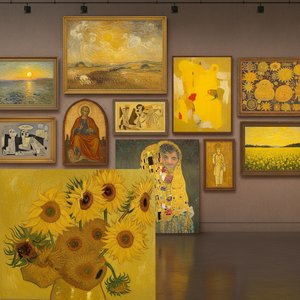
Golden Hues: 10 Masterpieces Dominated by Chrome Yellow | AllPaintingsStore
Immerse yourself in golden light! Explore 10 famous paintings dominated by 'Chrome Yellow', from Van Gogh’s Sunflowers to Monet's Haystacks. Discover the stories behind these iconic Impressionist & Post-Impressionist masterpieces and find museum-quality art reproductions at AllPaintingsStore.com.

Golden Hues: Top 10 Paintings Dominated by Yellow Ochre |
Explore 10 iconic paintings bathed in golden yellow ochre! From Van Gogh's sunflowers to Monet’s haystacks, discover the stories behind these masterpieces. Find museum-quality art reproductions & elevate your home decor on .

German Expressionism's 10 Defining Masterpieces | Art for Your Home
Explore 10 defining German Expressionism masterpieces – from Munch's 'The Scream' to Kandinsky’s abstracts. Discover the artists, stories & bold colors behind this powerful art movement. Find museum-quality reproductions at AllPaintingsStore.com.

The Golden Hue: Exploring Symbolism & Emotion in Yellow Art
Explore the rich symbolism & emotional power of yellow in art history! From Van Gogh to Kandinsky, discover how artists used this vibrant hue. Expert analysis & high-quality reproductions at AllPaintingsStore.

Anton von Werner: Imperial Painter, Historical Witness & Shifting German Identity
Explore the life & work of Anton von Werner, Imperial Germany's leading painter. Discover his dramatic depictions of war, unification, and court life – a fascinating insight into 19th-century German history & art.


