

1864. Acrylic On Canvas. Musée d'Orsay.

§ 1Katalogski podaci


§ 2Apstraktno
Opis kolekcionarskog predmeta
Admire Edouard Manet’s iconic ‘Fruit on a Table’ (1864), a masterpiece of Realism capturing vibrant fruit and elegant composition. Explore Impressionistic beauty & Manet's legacy at WikiArt.
 Prikaži više
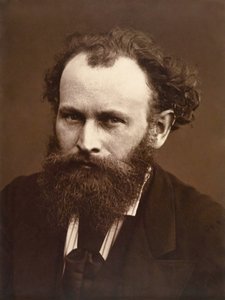
Biografija umjetnika
Otkrijte Édouarda Maneta (1832-1883), ključnu figuru koja je spojila realizam i impresionizam! Istražite njegova djela poput 'Doručka na travi' i 'Olympia', te njegov utjecaj na modernu umjetnost.
§ 3Komentar
A Snapshot of Modern Life: Examining Manet’s ‘Fruit on a Table’
Édouard Manet's “Fruit on a Table,” completed in 1864, transcends mere depiction; it embodies the spirit of Impressionism and serves as a pivotal moment in artistic history. More than just an arrangement of oranges, apples, grapes, and a bowl upon a tabletop—it’s a deliberate provocation against academic conventions and a testament to Manet's groundbreaking approach to capturing fleeting moments of everyday experience. As a connoisseur at AllPaintingsStore.com and seasoned art historian, I can confidently assert that this painting resonates deeply with anyone interested in understanding the genesis of modern art.Composition and Technique: Breaking Free From Tradition
Manet’s genius lay not in slavishly replicating classical ideals but in rejecting them outright. Unlike his predecessors who meticulously blended pigments to achieve idealized forms, Manet employed bold brushstrokes—a technique championed by Cézanne—to convey texture and movement. Observe how the artist abandons smooth gradations of color for visible strokes that capture the play of light on the fruit’s surfaces. This deliberate disregard for academic precision wasn't merely stylistic; it reflected a broader philosophical shift toward embracing spontaneity and capturing the immediacy of observation. The table itself is rendered with understated realism, grounding the luminous fruits in a tangible space—a subtle yet significant departure from the idealized backgrounds favored by earlier artists.Historical Context: Paris at the Dawn of Impressionism
“Fruit on a Table” emerged during a period of intense artistic ferment in Paris – the burgeoning Impressionist movement was challenging established norms and redefining what constituted “beauty.” Artists like Monet, Renoir, and Degas were experimenting with plein air painting—capturing landscapes and scenes from daily life outdoors—a radical concept at the time. Manet’s decision to depict a commonplace subject—fruit—was itself subversive. The academic tradition favored grand historical narratives or mythological allegories; Manet chose instead to focus on the tangible world, presenting it without embellishment. Furthermore, consider the influence of absinthe – a drink popular amongst artists and intellectuals – which fueled creativity and arguably contributed to the boldness of artistic vision during this era (https://en.wikipedia.org/wiki/Absinthe).Symbolism Beyond Appearance: Light, Shadow, and Emotion
While seemingly simple in its visual elements, “Fruit on a Table” is laden with symbolic significance. The vibrant colors—particularly the oranges—represent warmth and vitality, mirroring the optimism of the era. However, Manet’s masterful manipulation of light and shadow imbues the painting with an emotional depth that transcends mere representation. Notice how the shadows cast by the fruit create a sense of stillness amidst the energetic brushstrokes. This juxtaposition speaks to the complexities of modern life—the beauty found within ordinary moments alongside the underlying tension of change. The inclusion of two cups adds another layer of intrigue, hinting at contemplation and perhaps even melancholy – emotions that resonate powerfully with viewers today.Legacy and Influence: Shaping Modern Art
“Fruit on a Table” stands as an undeniable cornerstone of modern art, profoundly impacting subsequent generations of artists. Cézanne famously declared Manet “the father of us all,” recognizing his pioneering use of technique and his willingness to challenge artistic conventions. The painting’s influence can be seen in countless works that followed—artists embraced Manet's expressive brushwork and his commitment to capturing the essence of reality rather than striving for idealized perfection. Today, reproductions of this masterpiece continue to inspire artists and collectors alike, reminding us that true beauty resides not in flawless imitation but in courageous innovation. Explore more stunning Impressionist artworks at /art/list/?Filter=8EWFJW-Edouard-Manet-Fruit-on-a-Table and /art/list/?Filter=8YDM2S-Edouard-Manet-Peony-Stems-and-Pruning-Shears. Discover the Musée d'Orsay’s extraordinary collection: https://AllPaintinPitanja i odgovori
U kojoj je godini nastalo djelo "Fruit on a Table" autora Édouard Manet?
"Fruit on a Table" autora Édouard Manet nastalo je 1864.
Mogu li pregledati "Fruit on a Table" autora Édouard Manet prije narudžbe?
Pregled djela "Fruit on a Table" autora Édouard Manet možete pogledati na stranici Pregled u prostoru za to umjetničko djelo.
Mogu li naručiti uljanu reprodukciju djela "Fruit on a Table"?
Ručno oslikanu reprodukciju djela "Fruit on a Table" autora Édouard Manet možete naručiti izravno na njegovoj stranici Ručno oslikana reprodukcija: ručno oslikana uljana reprodukcija na lanenom platnu, izrađeno po narudžbi.


 Prebacite na printove


 Za umjetnička djela ili reprodukcije veće od 105 cm (približno 41 inč) na bilo kojoj strani, okvir će biti isporučen u obliku rastavljenog seta za montažu. Ovaj način osigurava sigurnu dostavu i sprječava oštećenja tijekom transporta.


