Jamstvo povrata novca u roku od 100 dana Besplatna dostava širom svijeta
449.564umjetnička djela 30.613umjetnici 4.660muzeji 32jezici
Katalogski zapis

Eleven AM

Acrylic On Canvas.

Sl. 1. Edward Hopper, Eleven AM. Prikazano kao reprodukcija koju odabirate: , .

§ 1Katalogski podaci

§ 2Apstraktno

Opis kolekcionarskog predmeta

Explore Edward Hopper’s ‘Eleven AM,’ a poignant realist oil painting capturing urban isolation & reflection. Discover its dramatic lighting & evocative mood.

Biografija umjetnika

Edward Hopper: Majstor američke realizma koji je oslavio pojedinačnost i urbano život svjetlom i sjajem. Poznatiji djelovanja su Nighthawks i Kuća pored pruga.

§ 3Komentar

A Quiet Moment of Urban Solitude: Exploring Edward Hopper’s “Eleven AM”

Edward Hopper, a master of American realism, possessed an uncanny ability to distill the essence of modern life – its quiet desperation, its pervasive loneliness, and its fleeting moments of beauty – onto canvas. “Eleven A.M.”, painted in 1926, is a particularly poignant example of this skill. The painting depicts a solitary woman seated by a window, bathed in a soft yet revealing light that seems to simultaneously illuminate and isolate her. It’s not a scene of dramatic action, but rather one of profound stillness, inviting the viewer into an intimate contemplation of interiority and the human condition.

The composition is deceptively simple: a woman in a blue armchair, positioned near a window that offers a glimpse of the world outside. However, it’s within this simplicity that Hopper's genius resides. The room itself is modestly furnished – a dresser, a framed picture, and a lamp all contribute to a sense of everyday life, yet they also underscore the woman’s isolation. She isn’t actively engaged with her surroundings; instead, she appears lost in thought, her gaze directed outwards but seemingly unfocused. The careful arrangement of objects within the room doesn't feel cluttered or busy, but rather deliberately sparse, emphasizing the emptiness that surrounds the figure. Hopper masterfully uses light and shadow to sculpt the form of the woman and define the space around her, creating a dramatic contrast that draws the eye and heightens the emotional impact.

The Language of Light and Shadow: Hopper’s Technical Brilliance

Hopper's technique in “Eleven A.M.” is characterized by a meticulous attention to detail and a masterful command of oil paint. His brushstrokes are relatively smooth, creating a realistic depiction of form and texture. The light streaming through the window isn’t merely illumination; it’s a character in itself, shaping the mood and revealing subtle nuances of emotion. Notice how the light catches on the woman's skin, highlighting her vulnerability, while simultaneously casting deep shadows that suggest a sense of melancholy or introspection. The color palette is restrained – blues, browns, and muted reds dominate the scene – further contributing to the painting’s somber atmosphere. This isn’t a vibrant, celebratory depiction of life; it’s a quiet, introspective study of human emotion.

Echoes of Modern Life: Context and Symbolism

To understand “Eleven A.M.” fully, it's essential to consider the historical context in which it was created. The 1920s were a period of rapid social change in America – urbanization, industrialization, and shifting societal norms all contributed to a sense of alienation and disillusionment. Hopper’s work often reflects these anxieties, capturing the loneliness and isolation that many people experienced in the modern world. The window in “Eleven A.M.” is particularly symbolic; it represents a connection to the outside world, yet the woman's position within the room suggests a barrier between her and that world. She is both present and absent, connected and disconnected. The painting invites us to consider the complexities of human experience – our longing for connection, our fear of isolation, and our search for meaning in a rapidly changing world.

Hopper’s artistic influences are also apparent in “Eleven A.M.” While he developed his own unique style, he was deeply influenced by French Impressionists like Édouard Manet and Edgar Degas, as well as American artists such as Robert Henri. Like these predecessors, Hopper sought to capture the realities of modern life with honesty and sensitivity. However, he went beyond mere representation; he imbued his paintings with a psychological depth that resonated with viewers on an emotional level. “Eleven A.M.” is not simply a depiction of a woman in a room; it’s a powerful exploration of the human condition – a timeless meditation on solitude, introspection, and the search for meaning.

Pitanja i odgovori

Gdje mogu pronaći vodič za "Eleven AM"?

Za djelo "Eleven AM" autora Edward Hopper dostupna je stranica Vodič za učenike: isprintana informativnica o umjetničkom djelu, dizajnirana za učenike i upotrebu u učionici.

Tko je umjetnik koji stoji iza djela "Eleven AM"?

Autorstvo djela "Eleven AM" pripisuje se Edward Hopper.

Ima li "Eleven AM" snažan kontrast svjetla i sjene?

Razina kontrasta djela "Eleven AM" autora Edward Hopper je Bold.
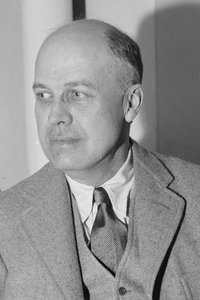
§ 4Umjetnik

Edward Hopper

Edward Hopper

1931 - 1967, Sjedinjene Američke Države

Brzi pregled o Edward Hopper

  • Artistic Movement Or Style: Realizam
  • Artists Who Influenced This Artist:
    • William Merritt Chase
    • Robert Henri
  • Date Of Birth: 22. srpnja 1882.
  • Date Of Death: 15. svibnja 1967.
  • Full Name: Edward Hopper
  • Nationality: Američan
  • Notable Artworks:
    • Nighthawks
    • Kuća pored pruga
    • Benzinska stanica
  • Place Of Birth: Nyack, SAD

Biografija umjetnika

Edward Hopper: A Master of American Realism

Edward Hopper, a name inextricably linked to the quietude and subtle melancholy that permeated 20th-century American life, wasn’t simply a painter of scenes; he was a poet of light and shadow, a chronicler of modern isolation. Born in Nyack, New York, in 1882, to middle-class parents of Dutch ancestry, Hopper's early years provided a stable upbringing that nurtured his artistic inclinations. From childhood sketches meticulously dated and signed, it became evident that keen observation and an innate talent for drawing were central to his being. Though initially encouraged towards commercial illustration – a pragmatic suggestion from his parents – Hopper’s ambitions leaned toward fine art, leading him to the New York School of Art where he studied under William Merritt Chase and Robert Henri. These formative years instilled not only technical skill but also an appreciation for realism and a commitment to depicting the world as he saw it—unvarnished and honest. The writings of Ralph Waldo Emerson resonated deeply with Hopper, reinforcing his sense of individualism and acute observation – qualities that would become hallmarks of his artistic vision. Early travels to Paris exposed him to Impressionism, yet Hopper quickly diverged from its fleeting brushstrokes, forging a path uniquely his own.

Early Life and Artistic Beginnings

Hopper’s fascination with art began in childhood, fueled by a family tradition of sketching and drawing. He displayed remarkable talent from an early age, diligently documenting the world around him with meticulous detail—a habit that would continue throughout his life. Despite initial reservations about pursuing artistic endeavors due to familial pressure for a more conventional career path, Hopper remained steadfast in his desire to express himself creatively. His formal training at the New York School of Art solidified his foundational skills and exposed him to influential teachers who championed realism as an artistic ideal. William Merritt Chase instilled in him a disciplined approach to technique, emphasizing anatomical accuracy and tonal gradation—skills that would prove invaluable in his subsequent work. Robert Henri encouraged Hopper’s experimentation with expressive brushwork while simultaneously upholding the importance of capturing psychological truthfulness. These formative influences shaped Hopper's artistic sensibilities and established him on a trajectory toward producing art that transcended mere visual representation.

Realism as Artistic Expression

Hopper distinguished himself from many of his contemporaries by rejecting Impressionistic techniques in favor of a rigorously realistic style—a stylistic choice driven by a profound conviction that art should faithfully reflect the world as it is perceived. He eschewed idealized forms and decorative embellishments, prioritizing clarity and precision to convey emotional resonance. Hopper’s canvases often depict solitary figures inhabiting unremarkable spaces—houses, diners, offices—yet these scenes radiate an atmosphere of palpable tension and unspoken longing. His masterful manipulation of light and shadow became a defining characteristic of his oeuvre, transforming ordinary environments into evocative landscapes imbued with psychological depth. He achieved this effect through careful tonal planning and meticulous blending techniques—skills honed during his years studying under Chase and Henri—resulting in paintings that captivate viewers not only aesthetically but also emotionally.

Iconic Visions: Nighthawks and Beyond

While Hopper’s career unfolded gradually, certain works catapulted him to widespread recognition. Nighthawks (1942), arguably his most famous painting, became an instant icon of American culture. The late-night diner scene, bathed in stark fluorescent light, perfectly encapsulates the alienation and anonymity of modern urban life. The figures within are lost in their own thoughts, disconnected from one another despite their proximity—a poignant commentary on the human condition. Hopper’s printmaking, often overlooked, ran parallel to his painting, sharing similar themes and stylistic qualities, demonstrating his mastery across mediums. He wasn't interested in grand historical narratives or allegorical symbolism; he focused on the mundane, elevating it through careful observation and emotional resonance. House by the Railroad (1925), an early masterpiece, exemplifies this approach—a seemingly simple composition radiating a profound sense of isolation and mystery. Hopper’s printmaking, often overlooked, ran parallel to his painting, sharing similar themes and stylistic qualities, demonstrating his mastery across mediums. He wasn't interested in grand historical narratives or allegorical symbolism; he focused on the mundane, elevating it through careful observation and emotional resonance. Other notable works like *Gas*, *Automat*, and *Office in a Small City* each offer unique insights into the complexities of 20th-century American society. These paintings weren't merely depictions of places; they were explorations of mood, psychology, and the subtle dramas unfolding within ordinary settings.

Legacy and Influence

Edward Hopper’s enduring legacy rests on his profound contribution to American art history—his unwavering commitment to realism as an artistic ideal and his ability to capture the psychological nuances of everyday life with unparalleled sensitivity. His paintings continue to resonate with audiences today because they speak to universal themes of loneliness, isolation, and the search for meaning in a rapidly changing world. Hopper’s influence extends far beyond the realm of painting, inspiring filmmakers (like Alfred Hitchcock) and writers who explore similar themes of alienation and psychological tension. He established himself as one of the most important artists of the 20th century—a visual poet whose work transcends time and continues to captivate viewers with its haunting beauty and intellectual depth. Hopper’s distinctive style has influenced countless painters, cementing his place as a pivotal figure in American art history. His ability to capture the essence of modern American life with honesty, sensitivity, and a stylistic vision that distinguishes him from many of his contemporaries ensures his enduring relevance—a testament to the power of art to illuminate the human condition.

§ 5Srodna djela

§ 6Pitanja

Osnovne informacije

  • Artist: Edward Hopper
  • Medium: Oil on canvas
  • Year: 1926
  • Movement: American Realism
  • Subject or theme: Solitude, contemplation

Kviz o umjetnosti

Svako pitanje ima samo jedan točan odgovor.

Pitanje 1:
What is the primary mood or feeling conveyed by Edward Hopper’s ‘Eleven AM’?
Pitanje 2:
Which artistic movement is Edward Hopper most closely associated with?
Pitanje 3:
What is a key element of the composition in ‘Eleven AM’ that contributes to its sense of isolation?
Pitanje 4:
What is a symbolic interpretation of the window in ‘Eleven AM’?
Pitanje 5:
What painting technique is evident in 'Eleven AM'?

§ 7Citiraj ovaj unos

AllPaintingsStore.com, “Edward Hopper, Eleven AM”, https://allpaintingsstore.com/hr/art/edward-hopper-eleven-am-9GZL9L-en/ArtistReproduction/ (pristupljeno 8 Listopad 2026).

§ 8Reprodukcija

Ručno rađena uljana reprodukcija

Ručno oslikano uljanim bojama na platnu u dimenzijama i okviru po vašem izboru, izrađeno po narudžbi od strane naših umjetnika. ( Prebacite na printove Prebacite na digitalnu sliku)

Navedeno je u rub margins narudžbenice; trenutno stanje te narudžbenice glasi:

Eleven AM

Tehnika reprodukcije

Veličina reprodukcije

-

Odabrani vrhunski umjetnik

Više detalja, profinjenosti i dodatnog vremena za izradu

-

Okvir za reprodukciju

-

-

Za umjetnička djela ili reprodukcije veće od 105 cm (približno 41 inč) na bilo kojoj strani, okvir će biti isporučen u obliku rastavljenog seta za montažu. Ovaj način osigurava sigurnu dostavu i sprječava oštećenja tijekom transporta.

Potrebna je profesionalna montaža – ovo nije proizvod za samostalnu izradu.
Set mora sastaviti i platno zategnuti iskusni profesionalni uokvirivač, koristeći drvno ljepilo (nije uključeno u set), kljeste za zatezanje platna i stege kako bi se održao pravilan kut letvica dok se ljepilo suši. Nepravilna montaža ili neravnomjerno zategnuto platno mogu trajno oštetiti umjetničko djelo, a takva oštećenja nisu pokrivena našim jamstvom.

  • Sve letvice od punog drveta su uključene, precizno izrezane po mjeri.

  • Montira se pomoću priloženih vijaka, uz dodatak ljepila za drvo za spojeve u kutovima, koje nije uključeno u set i koje vaš okviraš mora vlastito nabaviti.

  • Potrebni su profesionalni alati koji nisu uključeni: škripc za zatezanje platna (zatezač) i stezaljke za održavanje pravokonačnosti letvica tijekom sušenja ljepila.

Važno:
Za spojeve u kutovima potrebno je ljepilo za drvo, letvice se moraju pričvrstiti stezgama dok se ljepilo potpuno ne osuši, a za zatezanje platna na sastavljenom okviru potreban je alat za zatezanje platna. Nijedan od ovih alata nije uključen u set. Molimo vas da prije narudžbe ove veličine osigurate uslugu iskusnog profesionalnog uokvirivača.

Natpisna pločica

-

-

Zaštitni lak

Sjajni lak (pojačava intenzitet boja, štiti od svjetlosti i vlage)

-

Prilagodite svoje umjetničko djelo

Primjeri mogućnosti prilagodbe: Zamijenite lice fotografijom kupca; Dodajte ljubimca (npr. zamijenite mačku psom); Uključite skrivenu poruku u pozadinu; Promijenite pejzaž ili elemente pozadine.

-

Hitna dostava

Globalna dostava () u roku od 3-4 tjedna umjesto standardnih 5 tjedana. (5 Studeni). Bez kompromisa u kvaliteti.

-

Brza dostava

Dostava širom svijeta () u roku od 5 tjedana. (12 Studeni).

Uključeno u cijenu

Ukupna cijena

€ 230

Uključeno uz svaku narudžbu

  • Besplatna ekspresna dostava širom svijeta
  • Visokokvalitetno laneno platno
  • Potpuno osiguranje dostave
  • Jamstvo povrata carine i uvoznih poreza
  • Jamstvo vjernosti boja
  • Politika povrata u roku od 100 dana (samo u slučaju nedostataka)
  • Jamstvo povrata 100% novca
  • Popust na više proizvoda
Narudžbenica