Jamstvo povrata novca u roku od 100 dana Besplatna dostava širom svijeta
449.582umjetnička djela 30.618umjetnici 4.705muzeji 32jezici
Valuta
    Jezik
      Atelje · Osnovano 2015. · Pariz, Francuska
      AllPaintingsStore
      allpaintingsstore.com
      Pregledaj u stvarnoj veličini Isprobaj u AR-u Prebacite na prodaju printova Prebacite na digitalnu prodaju slika Podijeli
      Detalji Vodič Dodaj u omiljene Preuzmi datoteku Slični predmeti Rentgenska snimka Slide show Statistika

      Nedjelja

      Edward Hopperova 'Nedjelja' prikazuje urbanu samoću i kontemplaciju. Otkrijte ovu majstorsku sliku New Realizma, s primijenjenim tehnikama i dubokim simbolizmom.

      Edward Hopper: Majstor američke realizma koji je oslavio pojedinačnost i urbano život svjetlom i sjajem. Poznatiji djelovanja su Nighthawks i Kuća pored pruga.

      Djelo prikazano na ovoj stranici zaštićeno je autorskim pravima, što znači da zakonski ne možemo izraditi niti prodati identičnu reprodukciju. Ova se zaštita provodi u skladu s međunarodnim sporazumima kao što su Bernska konvencija i nacionalnim zakonima, uključujući i one koji su utvrđeni u Američki zakon o autorskom pravu – Title 17.

      Kao poštovana i legalna alternativa, nudimo prilagođena, ručno oslikana umjetnička djela inspirirana originalom. Naši vješti i profesionalni umjetnici pažljivo proučavaju stil, raspoloženje i umjetničku bit originala kako bi stvorili novo, jedinstveno djelo koje izaziva isti osjećaj – ostajući pritom vlastito, originalno stvaralaštvo.

      Ova metoda u potpunosti je usklađena s autorskim pravima jer ne uključuje kopiranje ili dupliciranje zaštićenih umjetničkih djela. Umjesto toga, riječ je o kreativnoj reinterpretaciji – novoj slici koja je dobila utjecaj na izvornik, ali nije identična njemu.

      Ručno rađena uljana reprodukcija

      Ručno oslikano uljanim bojama na platnu u dimenzijama i okviru po vašem izboru, izrađeno po narudžbi od strane naših umjetnika. ( Prebacite na prodaju printova Prebacite na digitalnu prodaju slika)

      Corner sample of the P118B picture frame: moulded polystyrene, 5 cm wide and 3 cm thick
      P118B 10
      Corner sample of the P118H picture frame: moulded polystyrene, 5 cm wide and 3 cm thick
      P118H 10
      Corner sample of the P118W picture frame: moulded polystyrene, 5 cm wide and 3 cm thick
      P118W 10
      Corner sample of the P438Z picture frame: moulded polystyrene, 5.5 cm wide and 3.5 cm thick
      P438Z 10
      Corner sample of the P508JH picture frame: moulded polystyrene, 7 cm wide and 3.5 cm thick
      P508JH 12
      Corner sample of the P508YH picture frame: moulded polystyrene, 7 cm wide and 3.5 cm thick
      P508YH 12
      Corner sample of the P805H picture frame: moulded polystyrene, 5 cm wide and 3.5 cm thick
      P805H 10
      Corner sample of the P805Z picture frame: moulded polystyrene, 5 cm wide and 3.5 cm thick
      P805Z 10
      Corner sample of the P919BZ picture frame: moulded polystyrene, 7 cm wide and 3.5 cm thick
      P919BZ 10
      Corner sample of the P919G picture frame: moulded polystyrene, 7 cm wide and 3.5 cm thick
      P919G 10
      Corner sample of the P919XJ picture frame: moulded polystyrene, 7 cm wide and 3.5 cm thick
      P919XJ 10
      Corner sample of the P959ZH picture frame: moulded polystyrene, 5 cm wide and 3 cm thick
      P959ZH 10
      Corner sample of the P968JZ picture frame: moulded polystyrene, 6 cm wide and 4 cm thick
      P968JZ 12
      Corner sample of the W106C picture frame: solid wood, 5 cm wide and 3 cm thick
      W106C 8
      Corner sample of the W218G picture frame: solid wood, 5 cm wide and 3 cm thick
      W218G 10
      Corner sample of the W218JH picture frame: solid wood, 5 cm wide and 3 cm thick
      W218JH 8
      Corner sample of the W218Y picture frame: solid wood, 5 cm wide and 3 cm thick
      W218Y 10
      Corner sample of the W307PJ picture frame: solid wood, 6 cm wide and 3 cm thick
      W307PJ 10
      Corner sample of the W316G picture frame: solid wood, 6 cm wide and 3 cm thick
      W316G 10
      Corner sample of the W316PJ picture frame: solid wood, 6 cm wide and 3 cm thick
      W316PJ 8
      Corner sample of the W316Y picture frame: solid wood, 6 cm wide and 3 cm thick
      W316Y 10
      Corner sample of the W398PJ picture frame: solid wood, 5 cm wide and 3 cm thick
      W398PJ 8
      Corner sample of the W4111J picture frame: solid wood, 6.5 cm wide and 3.5 cm thick
      W4111J 10
      Corner sample of the W500HY picture frame: solid wood, 7 cm wide and 5 cm thick
      W500HY 15
      Corner sample of the W500JH picture frame: solid wood, 7 cm wide and 5 cm thick
      W500JH 15
      Corner sample of the W692G picture frame: solid wood, 8 cm wide and 4 cm thick
      W692G 12
      Corner sample of the W849H picture frame: solid wood, 5 cm wide and 3 cm thick
      W849H 8
      Corner sample of the W940BG picture frame: solid wood, 7.5 cm wide and 4.5 cm thick
      W940BG 15
      Corner sample of the W953PJ picture frame: solid wood, 6 cm wide and 3.5 cm thick
      W953PJ 8

      Standardne dimenzije
      prilagođeno po mjeri
      CM
      INCH

      Odaberite jednu od naših unaprijed definiranih veličina koje odgovaraju izvornim proporcijama umjetničkog djela.

      širina
      visina

      Možete unijeti vlastite dimenzije kako bi odgovarale određenom okviru ili prostoru. Ako odabrana veličina ne odgovara proporcijama izvorne slike, izrezat ćemo umjetničko djelo ili proširiti sliku dodatnim ručno oslikanim elementima. Digitalni nacrt bit će vam poslan na odobrenje prije početka proizvodnje.
      Imajte na umu da pregled na ekranu ne prikazuje stvarno izrezivanje ili proširivanje. Samo će nacrt točno prikazati konačni sastav.
      Iako su dostupne prilagođene veličine, preporučujemo odabir dimenzije s preddefiniranog popisa kako bismo očuvali izvorne proporcije.

      Primjeri onoga što se može promijeniti: Zamijenite lice fotografijom klijenta; Dodajte ljubimca (npr. zamijenite mačku psom); Uključite skrivenu poruku u pozadinu; Promijenite pejzaž ili elemente pozadine.
      Nakon narudžbe, tim AllPaintingsStore.com kontaktirat će klijenta putem e-pošte radi dobivanja uputa te dostaviti probni prikaz (mockup)

      Isporuka širom svijeta () u roku od 3-4 tjedna umjesto standardnih 5 tjedana. (10 Listopad). Bez kompromisa u kvaliteti.

      Besplatna ekspresna dostava širom svijeta
      Visokokvalitetno laneno platno
      Potpuno osiguranje transporta
      Jamstvo povrata carine i uvoznih poreza
      Jamstvo vjernosti boja
      Politika povrata u roku od 100 dana (samo u slučaju nedostataka)
      Jamstvo povrata 100% novca
      Popust na više proizvoda

      Ukupna cijena

      € 222

      Nedjelja

      Tehnika izrade

      Veličina reprodukcije

      -

      Ukupna cijena

      € 222

      Brzi pregled

      • artist: Edward Hopper
      • title: Sunday
      • movement: New Realism
      • year: 1926
      • influences:
        • Ralph Waldo Emerson
        • Édouard Manet
        • Edgar Degas
      • dimensions: {'height': 86.36, 'unit': 'cm', 'width': 73.66}
      • medium: oil on canvas

      Kviz o umjetnosti

      Svako pitanje ima samo jedan točan odgovor.

      Pitanje 1:
      Who is the artist of the painting 'Sunday'?
      Pitanje 2:
      In what year was 'Sunday' created?
      Pitanje 3:
      What is the primary subject of 'Sunday'?
      Pitanje 4:
      Which artistic movement does 'Sunday' belong to?
      Pitanje 5:
      What is a notable element in the composition of 'Sunday'?

      Nedjeljno Popodne: Pogled u Gradsku Samrtnost

      Edward Hopperova "Nedjelja" nije samo slika; to je vizualna elegija za izgubljenu povezanost, tihi dijalog između čovjeka i grada. Nastala 1926. godine, ova uljana studija na platnu uprisutkuje trenutak urbane izolacije, prizivajući osjećaj introspekcije koji je postao zaštitni znak Hopperova djela. Pred nama se prostire scena nedjeljnog jutra ili kasnog poslijepodneva, gdje usamljeni muškarac sjedi na drvenoj klupi ispred zatvorenih trgovina. Njegova prisutnost, iako fizička, gotovo je nevidljiva u hladnoći arhitekture koja ga okružuje, stvarajući snažan dojam emocionalne udaljenosti i kontemplacije.

      Nova Realistična Vizija

      "Nedjelja" predstavlja vrhunac Hopperova stila unutar pokreta Nove Realnosti. Kompozicija je pažljivo izbalansirana, ali s dozom nestabilnosti koja privlači pogled gledatelja prema centralnoj figuri – čovjeku koji se nalazi u srcu gotovo pusta gradskog krajolika. Hopper koristi umirujuću paletu zemljanih tonova - smeđe, sive i bež - koje prožimaju suptilne nijanse boja poput crvene na vratima lijeve strane slike i blago plave boje muškarčeve košulje. Ova ograničena paleta naglašava turobnu atmosferu, stvarajući snažan emocionalni odjek koji prodire duboko u dušu promatrača. Hopperovo majstorstvo leži u sposobnosti da iz jednostavnih elemenata stvori kompleksno i potresno iskustvo.

      Tehničke Tajne Majstora

      Hopperova tehnika u "Nedjelji" odlikuje se preciznim potezima kista koji spajaju realizam s dozom apstrakcije. Vertikalne linije zgrada i okvira prozora stvaraju osjećaj strukture i reda, dok horizontalne linije klupe i izloga donose stabilnost i mirnoću u scenu. Igra svjetla i sjene, posebno prirodnog osvjetljenja koje dolazi s jutarnjeg ili popodnevnog sunca, dodaje dubinu i dimenziju, uranjajući gledatelja u tih trenutak. Svaka linija, svaki potez kista, pažljivo je promišljen kako bi se stvorio osjećaj realnosti koji istovremeno intrigira i dirajuće podsjeća na svakodnevni život.

      Povijesni Kontekst i Simbolika

      "Nedjelja" nastala je u turbulentnom razdoblju značajnih društvenih i gospodarskih promjena u Americi, u sjenama nadolazećeg Velikog Ekonomskog Kraha. Zatvorena vrata i puste ulice simboliziraju napuštenost i prolaznost vremena, dok usamljena figura predstavlja esencijalnu izolaciju pojedinca u brzorastućem svijetu. Slika nije samo prikaz scene; to je komentar na nacionalnu anksioznost i razočaranje tog doba. Čovjek na klupi postaje univerzalni simbol ljudske ranjivosti, suočen s neizvjesnošću i usamljenošću modernog života. Njegova pasivna poza, njegov pogled uprt u daljinu, odražava osjećaj beznadježnosti koji je bio sveprisutan u tom razdoblju. "Nedjelja" nije samo slika; to je ogledalo koje reflektira duboke ljude i društvene promjene.

      Pitanja i odgovori

      Koji prostor najbolje odgovara bojama djela "Nedjelja" autora Edward Hopper?

      Uz svoju paletu u nijansama Zemljani, djelo "Nedjelja" autora Edward Hopper preporučuje se za Dnevni boravak. Boje su jedan od razloga za ovaj prijedlog.

      Mogu li naručiti uljanu reprodukciju djela "Nedjelja"?

      Ručno oslikovanu reprodukciju djela "Nedjelja" autora Edward Hopper možete naručiti izravno na ova stranica: ručno oslikana uljana reprodukcija na lanenom platnu, izrađenu po narudžbi.

      Iz kojeg je razdoblja "Nedjelja" autora Edward Hopper?

      "Nedjelja" pripada razdoblju Modernizam.

      Koji umjetnik se pripisuje djelu "Nedjelja"?

      "Nedjelja" je djelo koje je stvorio/la Edward Hopper. Informacije na ovoj stranici opisuju izvornu umjetničku temu autora/ice Edward Hopper.

      Koji je datum nastanka djela "Nedjelja" autora Edward Hopper?

      Izrada djela "Nedjelja" autora Edward Hopper datira iz 1926. godine.

      Kako je izgrađena koloristička kompozicija djela "Nedjelja" autora Edward Hopper?

      Koloristička kompozicija djela "Nedjelja" autora Edward Hopper spaja Izjava kontrast s Ujednačena paleta harmonijom.

      Je li "Nedjelja" autora Edward Hopper slika, crtež ili litografija?

      "Nedjelja" autora Edward Hopper klasificirano je kao Zidna umjetnost. Ova kategorija opisuje vrstu umjetničkog djela kojem original pripada.


      Biografija umjetnika

      Edward Hopper: A Master of American Realism

      Edward Hopper, a name inextricably linked to the quietude and subtle melancholy that permeated 20th-century American life, wasn’t simply a painter of scenes; he was a poet of light and shadow, a chronicler of modern isolation. Born in Nyack, New York, in 1882, to middle-class parents of Dutch ancestry, Hopper's early years provided a stable upbringing that nurtured his artistic inclinations. From childhood sketches meticulously dated and signed, it became evident that keen observation and an innate talent for drawing were central to his being. Though initially encouraged towards commercial illustration – a pragmatic suggestion from his parents – Hopper’s ambitions leaned toward fine art, leading him to the New York School of Art where he studied under William Merritt Chase and Robert Henri. These formative years instilled not only technical skill but also an appreciation for realism and a commitment to depicting the world as he saw it—unvarnished and honest. The writings of Ralph Waldo Emerson resonated deeply with Hopper, reinforcing his sense of individualism and acute observation – qualities that would become hallmarks of his artistic vision. Early travels to Paris exposed him to Impressionism, yet Hopper quickly diverged from its fleeting brushstrokes, forging a path uniquely his own.

      Early Life and Artistic Beginnings

      Hopper’s fascination with art began in childhood, fueled by a family tradition of sketching and drawing. He displayed remarkable talent from an early age, diligently documenting the world around him with meticulous detail—a habit that would continue throughout his life. Despite initial reservations about pursuing artistic endeavors due to familial pressure for a more conventional career path, Hopper remained steadfast in his desire to express himself creatively. His formal training at the New York School of Art solidified his foundational skills and exposed him to influential teachers who championed realism as an artistic ideal. William Merritt Chase instilled in him a disciplined approach to technique, emphasizing anatomical accuracy and tonal gradation—skills that would prove invaluable in his subsequent work. Robert Henri encouraged Hopper’s experimentation with expressive brushwork while simultaneously upholding the importance of capturing psychological truthfulness. These formative influences shaped Hopper's artistic sensibilities and established him on a trajectory toward producing art that transcended mere visual representation.

      Realism as Artistic Expression

      Hopper distinguished himself from many of his contemporaries by rejecting Impressionistic techniques in favor of a rigorously realistic style—a stylistic choice driven by a profound conviction that art should faithfully reflect the world as it is perceived. He eschewed idealized forms and decorative embellishments, prioritizing clarity and precision to convey emotional resonance. Hopper’s canvases often depict solitary figures inhabiting unremarkable spaces—houses, diners, offices—yet these scenes radiate an atmosphere of palpable tension and unspoken longing. His masterful manipulation of light and shadow became a defining characteristic of his oeuvre, transforming ordinary environments into evocative landscapes imbued with psychological depth. He achieved this effect through careful tonal planning and meticulous blending techniques—skills honed during his years studying under Chase and Henri—resulting in paintings that captivate viewers not only aesthetically but also emotionally.

      Iconic Visions: Nighthawks and Beyond

      While Hopper’s career unfolded gradually, certain works catapulted him to widespread recognition. Nighthawks (1942), arguably his most famous painting, became an instant icon of American culture. The late-night diner scene, bathed in stark fluorescent light, perfectly encapsulates the alienation and anonymity of modern urban life. The figures within are lost in their own thoughts, disconnected from one another despite their proximity—a poignant commentary on the human condition. Hopper’s printmaking, often overlooked, ran parallel to his painting, sharing similar themes and stylistic qualities, demonstrating his mastery across mediums. He wasn't interested in grand historical narratives or allegorical symbolism; he focused on the mundane, elevating it through careful observation and emotional resonance. House by the Railroad (1925), an early masterpiece, exemplifies this approach—a seemingly simple composition radiating a profound sense of isolation and mystery. Hopper’s printmaking, often overlooked, ran parallel to his painting, sharing similar themes and stylistic qualities, demonstrating his mastery across mediums. He wasn't interested in grand historical narratives or allegorical symbolism; he focused on the mundane, elevating it through careful observation and emotional resonance. Other notable works like *Gas*, *Automat*, and *Office in a Small City* each offer unique insights into the complexities of 20th-century American society. These paintings weren't merely depictions of places; they were explorations of mood, psychology, and the subtle dramas unfolding within ordinary settings.

      Legacy and Influence

      Edward Hopper’s enduring legacy rests on his profound contribution to American art history—his unwavering commitment to realism as an artistic ideal and his ability to capture the psychological nuances of everyday life with unparalleled sensitivity. His paintings continue to resonate with audiences today because they speak to universal themes of loneliness, isolation, and the search for meaning in a rapidly changing world. Hopper’s influence extends far beyond the realm of painting, inspiring filmmakers (like Alfred Hitchcock) and writers who explore similar themes of alienation and psychological tension. He established himself as one of the most important artists of the 20th century—a visual poet whose work transcends time and continues to captivate viewers with its haunting beauty and intellectual depth. Hopper’s distinctive style has influenced countless painters, cementing his place as a pivotal figure in American art history. His ability to capture the essence of modern American life with honesty, sensitivity, and a stylistic vision that distinguishes him from many of his contemporaries ensures his enduring relevance—a testament to the power of art to illuminate the human condition.
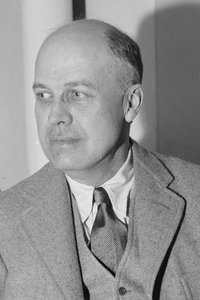
      Edward Hopper

      Edward Hopper

      1931 - 1967 , Sjedinjene Američke Države

      Brzi pregled

      • Artistic Movement Or Style: Realizam
      • Artists Who Influenced This Artist:
        • William Merritt Chase
        • Robert Henri
      • Date Of Birth: 22. srpnja 1882.
      • Date Of Death: 15. svibnja 1967.
      • Full Name: Edward Hopper
      • Nationality: Američan
      • Notable Artworks:
        • Nighthawks
        • Kuća pored pruga
        • Benzinska stanica
      • Place Of Birth: Nyack, SAD
      Istražite umjetnička djela organizirana prema temama, stilovima i karakteristikama.