Jamstvo povrata novca u roku od 100 dana Besplatna dostava širom svijeta
449.587umjetnička djela 30.613umjetnici 4.660muzeji 32jezici
Catalogue entry

untitled (8356)

Acrylic On Canvas.

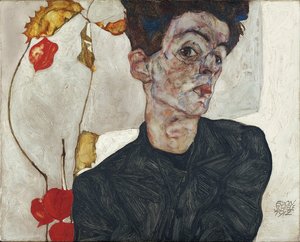
Fig. 1. Egon Schiele, untitled (8356). Shown as the reproduction you are specifying: , .

§ 1Catalogue data

§ 2Abstract

Opis kolekcionarskog predmeta

Explore Egon Schiele's haunting 'Untitled (8356)' – a psychologically charged portrait revealing vulnerability and mortality through intense lines & unsettling expression. A masterpiece of Expressionism.

Biografija umjetnika

Egon Schiele je austrijski ekspresionista koji je poznat po svojim intenzivnim psihološkim slikama i iskrenim prikazima ljudske prirode. Razvio je svoj vlastiti stil karakteriziran jednostavnom ljepotom i emocionalnom dubinom, oslanjajući se na teme smrti, seksualnosti i izolacije. otkriva reprodukcije sada!

§ 3Commentary

Egon Schiele’s Haunting Portrait: A Study in Anxiety and Desire

Egon Schiele's "untitled (8356)" is not merely a portrait; it’s a raw, unsettling glimpse into the psyche of a tormented artist grappling with mortality, sexuality, and the anxieties of early 20th-century Europe. Painted in 1917, during a period of intense personal struggle for Schiele – marked by illness, loss, and the looming shadow of World War I – this work embodies his signature Expressionist style: bold lines, distorted forms, and an unnerving intensity that refuses to offer easy answers.

The subject, a woman with a strikingly unusual expression, dominates the composition. Her mouth hangs slightly open in what appears to be a forced smile or perhaps a grimace of discomfort, her eyes wide and unblinking. This unsettling facial distortion is central to the painting’s power, immediately drawing the viewer into a space of unease and questioning. The background—a simple wall adorned with a clock and two books – provides a stark contrast to the woman's intense presence, suggesting a sense of isolation and perhaps a preoccupation with time and knowledge.

The Language of Line and Distortion

Schiele’s technique is instantly recognizable. He employs rapid, agitated brushstrokes that create a palpable sense of movement and instability. The lines are not smooth or refined; they are jagged, broken, and deliberately distorted – mirroring the emotional turmoil he sought to convey. Notice how the woman's features are elongated and exaggerated, her body subtly twisted as if caught in an awkward pose. This deliberate distortion isn’t simply stylistic; it’s a visual representation of psychological strain and vulnerability.

The use of color is equally significant. The palette is muted – predominantly browns, ochres, and greys—contributing to the painting's somber mood. However, Schiele strategically employs small bursts of brighter tones, particularly in the woman’s eyes, which seem to pierce through the darkness, demanding attention and revealing a flicker of underlying emotion.

Symbolism and Context: Mortality and the Modern Condition

Schiele's work is deeply intertwined with the anxieties of his time. The painting reflects the pervasive sense of uncertainty and disillusionment that gripped Europe in the wake of World War I, as well as a broader preoccupation with death and decay—themes frequently explored by Schiele throughout his oeuvre. The clock in the background serves as a potent symbol of mortality, reminding us of the relentless passage of time and the inevitability of our own demise.

Furthermore, the painting can be interpreted through the lens of Freudian psychology. The woman’s expression—a mixture of amusement and discomfort—suggests a complex interplay of desire and repression. Schiele was fascinated by sexuality and often depicted it in unconventional ways, challenging societal norms and exploring the darker aspects of human experience. The presence of the books hints at intellectual pursuits but also perhaps an inability to find solace or answers within them.

A Window into the Soul: Reproduction and Appreciation

"untitled (8356)" is a profoundly moving work that continues to resonate with viewers today. AllPaintingsStore offers meticulously crafted, hand-painted reproductions of this iconic painting, allowing you to experience its emotional depth and artistic brilliance in stunning detail. These reproductions capture not only the visual elements but also the very spirit of Schiele’s vision—a testament to his unique talent and enduring legacy. Consider adding this powerful image to your collection or incorporating it into your interior design – a reminder of the complexities of human emotion and the beauty found within vulnerability.

To learn more about Egon Schiele's life, artistic influences, and other significant works, explore our artist database or read our comprehensive article: Egon Schiele: Expressionism, Anxiety & the Modern Condition – A Comprehensive Exploration. For a deeper dive into one of his most famous paintings, you can find information on “Death and the Maiden (Schiele)” here: Wikipedia Search.

Pitanja i odgovori

Koja je preporučena veličina za "untitled (8356)" u prostoriji tipa Living Room?

Za Living Room, preporučena veličina printa za "untitled (8356)" autora Egon Schiele je Medium.

Za što se preporučuje korištenje djela "untitled (8356)" autora Egon Schiele?

Reprodukcija djela "untitled (8356)" autora Egon Schiele preporučuje se za Statement. Ovaj prijedlog proizlazi iz teme, atmosfere i boja samog djela.

Gdje mogu pronaći vodič za "untitled (8356)"?

Vodič za "untitled (8356)" je stranica Vodič za učenike umjetničkog djela – isprintani informativni list koji prikazuje umjetničko djelo uz pripadajući opis, izvor i tablicu podataka (umjetnik, datumi, tehnika, izvorni dimenzije, kolekcija).
§ 4The artist

Egon Schiele

Egon Schiele

1890 - 1918, Австрија

Quick facts about Egon Schiele

  • Artistic Movement Or Style: Ekspresionizam
  • Artists Who Influenced This Artist: ['Gustav Klimt']
  • Date Of Birth: 12. lipnja 1890.
  • Date Of Death: 31. listopada 1918.
  • Full Name: Egon Schiele
  • Nationality: Austrijan
  • Notable Artworks:
    • Samoportret s fizišalom
    • Par koji se ljubi
    • Polje pejzaža
  • Place Of Birth: Tulln an der Donau, Austrija

Biografija umjetnika

A Life Forged in Expression

Born in Tulln an der Donau, Austria, on June 12, 1890, Egon Schiele’s life was a turbulent journey marked by both extraordinary artistic vision and profound personal hardship. His early years were shadowed by illness and loss; his father succumbed to syphilis when Egon was just fourteen, a tragedy that would deeply resonate within his work, fueling an obsession with mortality and the fragility of existence. Raised initially by his mother and then under the somewhat controlling guardianship of his uncle Leopold Czihaczek, Schiele’s childhood lacked conventional stability but fostered a fiercely independent spirit. Even as a boy, he displayed an intense fascination with trains—a motif that subtly reappeared in later paintings—and a burgeoning talent for drawing, though this was initially met with disapproval from his father who saw it as a distraction from more practical pursuits. The early death of his sister Elvira also cast a long shadow over the young artist’s psyche. These formative experiences instilled within him a sensitivity and an emotional rawness that would become hallmarks of his artistic expression, a constant grappling with themes of life, death, and the human condition.

Early Influences & Artistic Training

Schiele's formal artistic training began at the Kunstgewerbeschule in Vienna, but he quickly found itself stifled by its conservative approach. He transferred to the Akademie der bildenden Künste (Academy of Fine Arts), only to become further disillusioned with its rigid academic traditions. This dissatisfaction led him to abandon formal training altogether, choosing instead to forge his own path—a testament to his unwavering artistic conviction. The influence of Gustav Klimt was pivotal during these early years; Schiele admired Klimt’s decorative style and exploration of symbolism, even receiving mentorship from the established artist. Klimt's bold use of color and stylized forms captivated Schiele, shaping his aesthetic sensibilities and inspiring him to experiment with innovative techniques. However, Schiele soon diverged from Klimt's path, developing a distinctive artistic voice characterized by its stark honesty and psychological intensity.

Vienna Secession & The Rise of Expressionism

Schiele joined the Viennese Secession in 1909 alongside fellow artists Anton Faistauer, Rudolf Kalvach, Franz Wiegele, Hans Ehrlich, and Löwenstein—a group that championed avant-garde artistic ideals and challenged the prevailing aesthetic conventions. This affiliation marked a crucial turning point in Schiele’s career, exposing him to new ideas and fostering collaborations with influential figures within Vienna's art world. The Secession’s exhibitions showcased groundbreaking works by artists like Klimt and Oskar Kokoschka, introducing Schiele to a wider audience and establishing him as a prominent voice in the burgeoning Expressionist movement.

Major Works & Artistic Style

Schiele’s artistic style is immediately recognizable for its raw honesty and psychological depth. He fearlessly confronted themes often considered taboo – sexuality, death, anxiety, isolation – with an unflinching gaze. His distinctive style features elongated figures, contorted poses, and expressive lines that convey a sense of unease and emotional intensity. The human form, particularly the nude, became his primary subject, not as an object of idealized beauty but as a vessel for exploring the complexities of human experience. Self-portraits constitute a significant portion of his oeuvre, offering intimate glimpses into his inner world—a world often marked by loneliness and self-doubt. He didn’t shy away from depicting himself in unflattering or vulnerable poses, revealing a profound level of self-awareness and introspection. Recurring motifs like the *Physalis plant* – symbolizing death and transience with its delicate, papery husk – further underscore this preoccupation with mortality.

Legacy & Influence

Despite facing censorship and legal challenges—including a brief imprisonment for allegedly corrupting minors with his art—Schiele gained recognition within Vienna’s avant-garde circles. His work challenged the conventions of the time, provoking both admiration and outrage. By the time of his untimely death during the Spanish flu pandemic in 1918 at the age of twenty-eight, he had established himself as a leading figure in Austrian Expressionism. Significant works such as Self-Portrait with Physalis, Couple Embracing, and Field Landscape (Kreuzberg near Krumau) stand as testaments to his artistic genius. Schiele’s influence on subsequent generations of artists is undeniable—particularly those interested in exploring psychological themes and challenging conventional artistic norms. His bold approach to form and subject matter continues to resonate with audiences today, making him one of the most important and influential figures in early 20th-century art. He left behind a body of work that is not merely aesthetically compelling but profoundly human—a testament to the power of art to confront the complexities of existence with honesty, courage, and unwavering vision.

§ 5Comparanda

§ 6Questions

Osnovne informacije

  • Notable elements: Funny face, clock
  • Subject or theme: Portrait, woman
  • Movement: Expressionism
  • Influences: Klimt

Kviz o umjetnosti

Svako pitanje ima samo jedan točan odgovor.

Pitanje 1:
Based on the image description, what is the primary emotion conveyed by the woman’s facial expression?
Pitanje 2:
The image includes a clock and two books. What do these elements likely suggest about the scene’s setting or the woman's state of mind?
Pitanje 3:
Egon Schiele was a prominent figure in which artistic movement?
Pitanje 4:
Considering Egon Schiele's biography, what significantly influenced his artistic themes and style?
Pitanje 5:
What is a key characteristic of Egon Schiele's artistic style, as evidenced in this image?

§ 7Cite this entry

AllPaintingsStore.com, “Egon Schiele, untitled (8356)”, https://allpaintingsstore.com/hr/art/egon-schiele-untitled-8356-9GEUAM-en/ArtistReproduction/ (accessed 4 Listopad 2026).

§ 8The reproduction

Ručno rađena uljana reprodukcija

Ručno oslikano uljanim bojama na platnu u dimenzijama i okviru po vašem izboru, izrađeno po narudžbi od strane naših umjetnika. ( Prebacite na printove Prebacite na digitalnu sliku)

It is specified on the order sheet in the margin; the present state of that sheet reads as follows.

untitled (8356)

Tehnika reprodukcije

Veličina reprodukcije

-

Odabrani vrhunski umjetnik

Više detalja, profinjenosti i dodatnog vremena za izradu

-

Okvir za reprodukciju

-

-

Za umjetnička djela ili reprodukcije veće od 105 cm (približno 41 inč) na bilo kojoj strani, okvir će biti isporučen u obliku rastavljenog seta za montažu. Ovaj način osigurava sigurnu dostavu i sprječava oštećenja tijekom transporta.

Potrebna je profesionalna montaža – ovo nije proizvod za samostalnu izradu.
Set mora sastaviti i platno zategnuti iskusni profesionalni uokvirivač, koristeći drvno ljepilo (nije uključeno u set), kljeste za zatezanje platna i stege kako bi se održao pravilan kut letvica dok se ljepilo suši. Nepravilna montaža ili neravnomjerno zategnuto platno mogu trajno oštetiti umjetničko djelo, a takva oštećenja nisu pokrivena našim jamstvom.

  • Sve letvice od punog drveta su uključene, precizno izrezane po mjeri.

  • Montira se pomoću priloženih vijaka, uz dodatak ljepila za drvo za spojeve u kutovima, koje nije uključeno u set i koje vaš okviraš mora vlastito nabaviti.

  • Potrebni su profesionalni alati koji nisu uključeni: škripc za zatezanje platna (zatezač) i stezaljke za održavanje pravokonačnosti letvica tijekom sušenja ljepila.

Važno:
Za spojeve u kutovima potrebno je ljepilo za drvo, letvice se moraju pričvrstiti stezgama dok se ljepilo potpuno ne osuši, a za zatezanje platna na sastavljenom okviru potreban je alat za zatezanje platna. Nijedan od ovih alata nije uključen u set. Molimo vas da prije narudžbe ove veličine osigurate uslugu iskusnog profesionalnog uokvirivača.

Natpisna pločica

-

-

Zaštitni lak

Sjajni lak (pojačava intenzitet boja, štiti od svjetlosti i vlage)

-

Prilagodite svoje umjetničko djelo

Primjeri mogućnosti prilagodbe: Zamijenite lice fotografijom kupca; Dodajte ljubimca (npr. zamijenite mačku psom); Uključite skrivenu poruku u pozadinu; Promijenite pejzaž ili elemente pozadine.

-

Hitna dostava

Globalna dostava () u roku od 3-4 tjedna umjesto standardnih 5 tjedana. (2 Studeni). Bez kompromisa u kvaliteti.

-

Brza dostava

Dostava širom svijeta () u roku od 5 tjedana. (9 Studeni).

Uključeno u cijenu

Ukupna cijena

€ 229

Included with every order

  • Besplatna ekspresna dostava širom svijeta
  • Visokokvalitetno laneno platno
  • Potpuno osiguranje dostave
  • Jamstvo povrata carine i uvoznih poreza
  • Jamstvo vjernosti boja
  • Politika povrata u roku od 100 dana (samo u slučaju nedostataka)
  • Jamstvo povrata 100% novca
  • Popust na više proizvoda
Order sheet