Coffee Table
Ručno rađena uljana reprodukcija
Ručno oslikano uljanim bojama na platnu u dimenzijama i okviru po vašem izboru, izrađeno po narudžbi od strane naših umjetnika. ( Pređi na tisak
Prebacite na sliku)
P118B $10
P118H $10
P118W $10
P438Z $10
P508JH $12
P508YH $12
P805H $10
P805Z $10
P919BZ $10
P919G $10
P919XJ $10
P959ZH $10
P968JZ $12
W106C $8
W218G $10
W218JH $8
W218Y $10
W307PJ $10
W316G $10
W316PJ $8
W316Y $10
W398PJ $8
W4111J $10
W500HY $15
W500JH $15
W692G $12
W849H $8
W940BG $15
W953PJ $8
Odaberite jednu od naših unaprijed definiranih veličina koje odgovaraju izvornim proporcijama umjetničkog djela.
Možete unijeti vlastite dimenzije kako bi odgovarale određenom okviru ili prostoru. Ako odabrana veličina ne odgovara proporcijama izvorne slike, izrezat ćemo umjetničko djelo ili proširiti sliku dodatnim ručno oslikanim elementima. Digitalni nacrt bit će vam poslan na odobrenje prije početka proizvodnje.
Imajte na umu da pregled na ekranu ne prikazuje stvarno izrezivanje ili proširivanje. Samo će nacrt točno prikazati konačni sastav.
Iako su dostupne prilagođene veličine, preporučujemo odabir dimenzije s preddefiniranog popisa kako bismo očuvali izvorne proporcije.
Nakon narudžbe, tim AllPaintingsStore.com kontaktirat će klijenta putem e-pošte radi dobivanja uputa te dostaviti probni prikaz (mockup).
Isporuka širom svijeta () u roku od 3-4 tjedna umjesto standardnih 5 tjedana. (5 Kolovoz). Bez kompromisa u kvaliteti.
Besplatna ekspresna dostava širom svijeta
Visokokvalitetno laneno platno
Potpuno osiguranje dostave
Jamstvo povrata carine i uvoznih poreza
Garancija vjernog podudaranja boja
Politika povrata u roku od 60 dana (samo u slučaju nedostataka)
Jamstvo povrata 100% novca
Popust na više proizvoda
Coffee Table
Tehnika reprodukcije
Veličina reprodukcije
-
Ukupna cijena
$ 258
Opis umjetničkog djela
A Moment Frozen in Expressionist Color
Ernst Ludwig Kirchner’s “Coffee Table” is far more than a mere depiction of an interior scene; it is a distilled essence of the anxieties and profound complexities inherent in German Expressionism. Painted circa 1923, during a pivotal period when Kirchner had relocated to Davos alongside his wife, Erna Schilling, the artwork captures a snapshot of daily life infused with deep psychological resonance. The painting invites us into a modest restaurant setting, where a dining table is occupied by six individuals—including the artist himself and his wife—whose identities remain deliberately obscured. This ambiguity fosters a sense of quiet contemplation, allowing the viewer to peer into the unspoken dialogues and inner lives of these figures as they exist within a shared, yet deeply personal, moment.
The composition unfolds with a meticulous eye for detail that balances domestic intimacy with artistic tension. One can almost feel the weight of the atmosphere through the rendering of cups brimming with drink, plates laden with food, and cutlery arranged with purposeful precision. Yet, Kirchner’s true focus lies not in these tangible objects, but in the human presence itself. The figures are positioned in close proximity, their arrangement conveying a sense of closeness that is simultaneously interrupted by an underlying tension. This duality makes the piece particularly captivating for collectors who appreciate art that offers both aesthetic beauty and intellectual depth.
The Vibrancy of Technique and Style
Kirchner’s signature Expressionist style dominates every inch of the canvas, creating a textured surface that seems to vibrate with its own internal energy. His use of bold, rhythmic brushstrokes is characteristic of the movement, rejecting the polished perfection of academic idealism in favor of a raw, emotive truth. The color palette is masterfully balanced; while it favors earthy, grounded tones, these are punctuated by sudden, brilliant splashes of vibrant reds and yellows. This deliberate use of color mirrors the emotional intensity of the scene, transforming a simple meal into a luminous event that commands attention.
For interior designers and lovers of fine art, the technical brilliance of this piece offers incredible versatility. The painting’s ability to harmonize muted, sophisticated tones with energetic highlights allows it to serve as a powerful focal point in a variety of modern settings. Whether placed in a minimalist gallery-style room or a more textured, eclectic space, a high-quality reproduction of “Coffee Table” brings a sense of historical gravity and artistic vitality to any wall.
Historical Resonance and Symbolic Depth
To understand the emotional impact of this work, one must look toward the historical context of post-World War I Germany. The era was defined by a pervasive sense of disillusionment and a search for meaning amidst reconstruction. Kirchner and his contemporaries sought to confront uncomfortable truths about the human experience, using art as a vessel for expressing inner turmoil. Within this piece, the inclusion of a carved bench frame bearing a figural relief of a mother and child serves as a poignant symbol of maternal care and stability amidst the pervasive anxieties of the time. This motif aligns perfectly with the broader Expressionist exploration of familial bonds and the vulnerability of life.
Ultimately, “Coffee Table” is an invitation to join the conversation. It captures a moment of intimate familiarity and serene tranquility that, despite its underlying tension, remains profoundly inviting. For those seeking to adorn their homes with a piece that speaks of history, emotion, and the enduring beauty of the human spirit, this masterpiece stands as a timeless choice. Owning a reproduction of such a significant work allows one to bring a fragment of the German Expressionist soul into the contemporary living space, fostering an environment of constant inspiration and reflection.
Biografija umjetnika
Ernst Ludwig Kirchner (1880-1938): A Life Forged in Expression
Ernst Ludwig Kirchner, a name synonymous with the raw emotional power of German Expressionism, was born into a world poised on the brink of dramatic change. His arrival in Aschaffenburg, Bavaria, in 1880, marked the beginning of a life deeply intertwined with artistic innovation and personal turmoil. The shifting landscapes of his childhood – dictated by his father’s profession – instilled within him a sense of displacement that would later become central to his oeuvre. From Frankfurt to Perlen, and finally settling in Chemnitz, young Kirchner absorbed the burgeoning anxieties of a rapidly modernizing Germany. Though initially steered towards architecture at the Königliche Technische Hochschule in Dresden, it was the profound pull of painting – fueled by an admiration for masters like Albrecht Dürer and a growing dissatisfaction with academic convention – that ultimately defined his artistic trajectory. He found kinship with fellow rebels – Fritz Bleyl, Karl Schmidt-Rottluff, and Erich Heckel – forging bonds that would irrevocably alter the course of 20th-century art.Early Life and Artistic Beginnings
Kirchner’s formative years were shaped by a family rooted in Prussian tradition but experiencing considerable mobility due to his father's occupation as a paper scientist. This itinerant upbringing instilled within him an acute awareness of change and instability, themes that would permeate his artistic vision throughout his life. He demonstrated exceptional talent from a young age, meticulously observing the world around him – the bustling train station opposite his childhood home in Frankfurt, the architectural details of Dresden’s cityscape – capturing these impressions with unwavering precision on paper. His early artistic explorations were influenced by the stylistic sensibilities of Dürer and Munch, artists who championed expressive technique alongside intellectual rigor. He embraced the challenge posed by academic painting's idealized representations of beauty, rejecting them in favor of distortion and jarring color palettes that conveyed the psychological complexities of modern experience. This rebellious spirit would characterize his entire artistic career.Die Brücke: A Collective Pursuit of Expression
In 1905, Kirchner joined forces with Fritz Bleyl, Karl Schmidt-Rottluff, and Erich Heckel to establish *Die Brücke* (“The Bridge”), an artistic collective dedicated to forging a new path for German art. This wasn’t merely a stylistic decision; it represented a fundamental philosophical stance—a rejection of bourgeois complacency and a fervent desire to reconnect with primal energies. The group drew inspiration from sources often overlooked by the mainstream art world – primitive art from Africa and Oceania, the bold chromatic explorations of Vincent van Gogh, and Edvard Munch's haunting depictions of psychological torment. They deliberately eschewed academic conventions, prioritizing expressive brushwork and distorted forms to convey the anxieties and alienation inherent in the burgeoning industrial age. Kirchner’s early paintings epitomized this collective ethos, pulsating with a restless energy that reflected their shared conviction: art must confront uncomfortable truths and capture the essence of human experience. The studio became a crucible for experimentation, where social norms were questioned alongside artistic innovations—a space mirroring the broader cultural upheavals of the era.Style and Technique: Embracing Distortion and Color
Kirchner’s distinctive artistic style is immediately recognizable for its uncompromising commitment to emotional expression. He rejected the illusionistic techniques favored by Impressionism, prioritizing instead a subjective rendering of reality—one informed by psychological insight rather than optical observation. His brushstrokes were bold and visible, conveying movement and dynamism while simultaneously capturing the texture of surfaces. Recurring motifs included figures rendered in distorted poses, often depicted in urban landscapes or solitary interiors—images that conveyed feelings of isolation and unease. Kirchner’s masterful use of color was equally transformative. He eschewed naturalistic hues, opting instead for vibrant shades that heightened emotional intensity and created a palpable sense of atmosphere. Influenced profoundly by Henri Matisse and Edvard Munch, he embraced Fauvist principles—applying flat areas of unbroken color to create striking visual impact. The deliberate inclusion of white spaces within his compositions served as a counterpoint to the dense chromatic layering, emphasizing textural contrasts and contributing to the overall feeling of immediacy.Legacy and Recognition
Kirchner’s artistic output was tragically curtailed by World War I, during which he volunteered for military service but suffered a debilitating mental breakdown—a formative experience that profoundly shaped his worldview. Following the war, he retreated to Davos, Switzerland, seeking solace from illness and pursuing a contemplative lifestyle rooted in the Lebensreform movement. Despite facing persecution under Nazi rule—over 600 of his works were confiscated and deemed “degenerate”—Kirchner remained steadfast in his artistic convictions. His unwavering dedication to truthfulness and emotional resonance cemented his place as one of the most influential figures of German Expressionism, inspiring generations of artists who followed him. Today, Ernst Ludwig Kirchner’s paintings continue to captivate audiences worldwide—serving as enduring symbols of artistic rebellion and a testament to the transformative power of confronting existential anxieties. His legacy resides not only in his groundbreaking stylistic innovations but also in his courageous assertion of human dignity amidst societal pressures—a message that resonates powerfully across time.Ernst Ludwig Kirchner
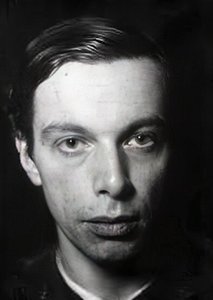
1880 - 1938 , Njemačka
Osnovne informacije
- Artistic Movement Or Style: Ekspresionizam
- Artists Or Movements Influenced By This Artist: ['Die Brücke']
- Artists Who Influenced This Artist:
- Albrecht Dürer
- Vincent van Gogh
- Edvard Munch
- Date Of Birth: 6 svibnja 1880.
- Date Of Death: 15 lipnja 1938.
- Full Name: Ernst Ludwig Kirchner
- Nationality: Njemački
- Notable Artworks:
- The Street (1908)
- Leaping Dancer (1912)
- Self-Portrait (1910)
- Place Of Birth: Aschaffenburg, Njemačka


Opcija stakla dostupna je samo za dimenzije manje od 110 cm