


 Pregledaj u stvarnoj veličini
 Podijeli
 Podijeli
 Detalji
 Vodič
Vodič

 Preuzmi datoteku
 Slični predmeti
 Rentgenska snimka
 Slide show
 Statistika
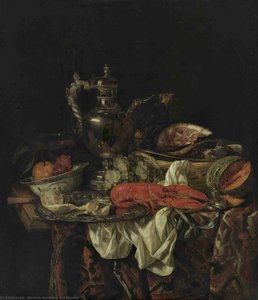
Still Life, Georg Hainz, 1666 - 1700
 1700
1700 113.0 x 95.0 cm
 Pročitajte više
Ručno rađena uljana reprodukcija
Ručno oslikano uljanim bojama na platnu u dimenzijama i okviru po vašem izboru, izrađeno po narudžbi od strane naših umjetnika. ( Prebacite na prodaju printova Prebacite na digitalnu prodaju slika)




































Odaberite jednu od naših unaprijed definiranih veličina koje odgovaraju izvornim proporcijama umjetničkog djela.

Možete unijeti vlastite dimenzije kako bi odgovarale određenom okviru ili prostoru. Ako odabrana veličina ne odgovara proporcijama izvorne slike, izrezat ćemo umjetničko djelo ili proširiti sliku dodatnim ručno oslikanim elementima. Digitalni nacrt bit će vam poslan na odobrenje prije početka proizvodnje.
Imajte na umu da pregled na ekranu ne prikazuje stvarno izrezivanje ili proširivanje. Samo će nacrt točno prikazati konačni sastav.
Iako su dostupne prilagođene veličine, preporučujemo odabir dimenzije s preddefiniranog popisa kako bismo očuvali izvorne proporcije.
Nakon narudžbe, tim AllPaintingsStore.com kontaktirat će klijenta putem e-pošte radi dobivanja uputa te dostaviti probni prikaz (mockup)
Isporuka širom svijeta () u roku od 3-4 tjedna umjesto standardnih 5 tjedana. (21 Rujan). Bez kompromisa u kvaliteti.

Besplatna ekspresna dostava širom svijeta

Visokokvalitetno laneno platno

Potpuno osiguranje transporta

Jamstvo povrata carine i uvoznih poreza

Jamstvo vjernosti boja

Politika povrata u roku od 100 dana (samo u slučaju nedostataka)

Jamstvo povrata 100% novca

Popust na više proizvoda
 Opcija stakla dostupna je samo za dimenzije manje od 110 cm

Still Life, Georg Hainz, 1666 - 1700
Tehnika izrade
Veličina reprodukcije
-


Ukupna cijena
$ 258
Srodna umjetnička djela




Biografija umjetnika
The Master of Material Splendor: The Life and Legacy of Georg Hainz
In the heart of the seventeenth century, as the mercantile pulse of Northern Germany began to beat with newfound prosperity, a singular talent emerged to capture the fleeting beauty of the material world. Georg Johann Hainz, born around 1630 in the vibrant artistic enclave of Altona, stands as a pivotal figure in the North German Baroque. His life and work serve as a window into an era defined by both immense wealth and a profound, melancholic awareness of mortality. Moving through the cultural corridors of Hamburg, Hainz established himself not merely as a painter, but as a visual poet capable of transforming inanimate objects into a complex narrative of human existence.
Hainz’s artistic journey was deeply rooted in the stylistic currents flowing from the Dutch Golden Age. His early training under Johannes Herman Dessler provided him with a rigorous foundation, exposing him to the meticulous traditions of masters like Willem Kalf and Cornelis Gijsbrecht van Bronkhorst. From these influences, Hainz inherited an unwavering commitment to realism and a fascination with the interplay of light and shadow. This education allowed him to master the pronkstilleven—the lavish still life—a genre that demanded an extraordinary ability to render diverse textures, from the cold sheen of silver to the delicate, translucent skin of a ripening peach.
A Symphony of Light and Texture
To encounter a work by Hainz is to be invited into a sensory experience. His compositions are often characterized by a breathtaking density, where objects are arranged with both calculated precision and an organic sense of abundance. In his celebrated Cabinets of Curiosities, the viewer is confronted with a treasure trove of global wonders: gleaming jewelry, exotic porcelain, and intricate nautilus cups. He possessed a rare technical brilliance, utilizing oil glazes to sculpt surfaces with light. One can almost feel the rough patina of aged metal or the cool, smooth curve of an imported dish as his brushwork captures every specular highlight and deep, velvety shadow.
Beyond the mere display of wealth, Hainz’s work is imbued with a profound symbolic depth. He was a master of the Vanitas tradition, weaving subtle reminders of the ephemeral nature of life into his displays of opulence. Within a single frame, a luxurious Persian rug might lie beneath a peeled lemon—its bright acidity contrasting with the inevitable decay it represents—or an aged skull might rest near a shimmering gold-plated dish. This duality creates a tension that is central to his art: the celebration of earthly achievement and the somber memento mori that reminds us all of the passage of time.
Historical Significance and Artistic Lineage
The impact of Georg Hainz extended far beyond his own canvases. As a prominent figure in Hamburg’s flourishing artistic scene, he became a cornerstone of the local Baroque movement. His versatility allowed him to navigate various commissions, ranging from intimate portraits to grand decorative murals, demonstrating an adaptability that secured his patronage among the era's influential noble families and merchant elites. Furthermore, his role as a mentor helped shape the next generation of North German painters; historical records suggest he may have taught artists such as Christian Berentz and potentially Franz Werner von Tamm.
Though his name is sometimes found in historical texts as Heintz or Hinz, his legacy remains unmistakable. He bridged the gap between the Dutch aesthetic and a distinct North German sensibility, creating a body of work that remains as captivating today as it was in the seventeenth century. Through his meticulous attention to detail and his ability to find the spiritual within the material, Georg Hainz ensured that the fleeting splendors of his age would be preserved in eternal, luminous oil.

georg hainz
1630 - 1700 , Germany
Brzi pregled
- Artistic Movement Or Style: Dutch Still Life Tradition
- Artists Or Movements Influenced By This Artist: ['Floris Jansz. van Sauvegarde']
- Artists Who Influenced This Artist: ['Willem Kalf']
- Date Of Birth: ca. 1630
- Date Of Death: 1688
- Full Name: Georg Johann Hainz
- Nationality: German
- Notable Artworks: ['Still Life with carved Ivory Ewer']
- Place Of Birth: Altona, Germany

