

1926. Oil On Canvas. Art Gallery of Hamilton.

§ 1Katalogski podaci


Ovo djelo je zaštićeno autorskim pravima
Djelo prikazano na ovoj stranici zaštićeno je autorskim pravima, što znači da zakonski ne možemo izraditi niti prodati identičnu reprodukciju. Ova se zaštita provodi u skladu s međunarodnim sporazumima kao što su Bernska konvencija i nacionalnim zakonima, uključujući i one koji su utvrđeni u Američki zakon o autorskom pravu – Title 17.
Kao poštovana i legalna alternativa, nudimo prilagođena, ručno oslikana umjetnička djela inspirirana originalom. Naši vješti i profesionalni umjetnici pažljivo proučavaju stil, raspoloženje i umjetničku bit originala kako bi stvorili novo, jedinstveno djelo koje izaziva isti osjećaj – ostajući pritom vlastito, originalno stvaralaštvo.
Ova metoda u potpunosti je usklađena s autorskim pravima jer ne uključuje kopiranje ili dupliciranje zaštićenih umjetničkih djela. Umjesto toga, riječ je o kreativnoj reinterpretaciji – novoj slici koja je dobila utjecaj na izvornik, ali nije identična njemu.
 Pročitajte više
§ 2Apstraktno
Opis kolekcionarskog predmeta
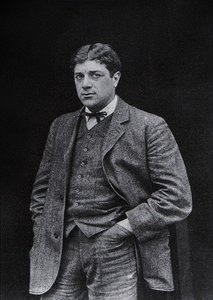
Biografija umjetnika
Meta Description: Georges Braque (1882-1963): Kubizam revolucionirao umjetnost! Poznati djela uključuju pejzaže L'Estaque i inovativne kolaže koji su promijenili način prikazivanja stvarnosti.
§ 3Komentar
Georges Braque’s Nature Morte: A Fragmented Reflection of Modern Consciousness
Georges Braque’s “Nature Morte,” painted in 1926, stands as a cornerstone of Cubist exploration and a testament to the artist's profound engagement with visual perception. More than just a depiction of fruit—grapes, apples, and pears arranged within a simple bowl on a tabletop—the painting embodies the intellectual currents shaping European art at the time, reflecting a deliberate dismantling of traditional artistic conventions in favor of geometric abstraction.
- Subject Matter: The composition centers around a commonplace object – the fruit bowl – yet Braque elevates it to an arena for formal experimentation. He eschews realistic representation, prioritizing instead the conveyance of spatial relationships through interlocking planes and faceted surfaces.
- Style & Technique: Characteristic of Cubism’s Second Phase, “Nature Morte” exemplifies Analytical Cubism. This approach involves fracturing objects into multiple perspectives simultaneously, presenting them as intersecting geometric forms rather than solid masses. Braque meticulously applied oil paint with a glazing technique—thin layers of translucent color—to build up the image gradually, achieving remarkable luminosity and depth despite its apparent simplicity.
- Historical Context: Created during the height of Cubist fervor, “Nature Morte” aligns itself with the broader artistic movement’s rejection of Impressionism's focus on fleeting sensations. Artists like Picasso and Cézanne were actively questioning how we perceive reality, influenced by advancements in scientific theories concerning optics and relativity.
- Symbolism & Emotion: While seemingly devoid of overt narrative, “Nature Morte” carries subtle symbolic weight. The bowl itself represents containment and stillness—a deliberate contrast to the dynamism inherent in Cubist exploration. The fragmented forms convey a sense of disorientation and challenge viewers to reconsider their understanding of visual space.
- Emotional Impact: Despite its intellectual rigor, Braque’s painting possesses an undeniable aesthetic beauty. The harmonious interplay of color—primarily greens—creates a tranquil atmosphere that belies the underlying conceptual framework. It invites contemplation on the nature of perception and the transformative potential of artistic innovation.
As evidenced by Google Arts & Culture (Hamilton, Canada) and the National Gallery of Art (Nature Morte (Still Life) by Georges Braque, Paul Rosenberg), “Nature Morte” continues to resonate with audiences today. Its enduring appeal lies in its masterful distillation of Cubist principles—a bold assertion of artistic freedom and a pioneering contribution to the visual language of modern art.
Consider commissioning a high-quality reproduction from AllPaintingsStore.com for your home or office – bringing this iconic artwork into your space!
Pitanja i odgovori
Koja su tehnika i datum nastanka djela "Nature Morte" autora Georges Braque?
"Nature Morte" je nastalo 1926 godine koristeći tehniku Oil On Canvas. Materijal i datum opisuju kako i kada je original izrađen.
Mogu li vidjeti "Nature Morte" autora Georges Braque pod različitim svjetlima?
Djelo "Nature Morte" možete istraživati sloj po sloj na stranici Rentgenska snimka, koja nudi interaktivni pregled inspiriran restauratorskim svjetlosnim stolom, s jedanaest optičkih prikaza slike.
Tko je stvorio "Nature Morte" i u kojem je stilu izvedeno?
"Nature Morte" stvorio/la je Georges Braque u stilu Cubist Still Life. Umjetnik i umjetnički pravac definiraju tradiciju ovog djela.


 Prebacite na printove


 Za umjetnička djela ili reprodukcije veće od 105 cm (približno 41 inč) na bilo kojoj strani, okvir će biti isporučen u obliku rastavljenog seta za montažu. Ovaj način osigurava sigurnu dostavu i sprječava oštećenja tijekom transporta.


