


 Pregledaj u stvarnoj veličini
 Podijeli
 Podijeli
 Detalji
 Vodič
Vodič

 Preuzmi datoteku
 Slični predmeti
 Rentgenska snimka
 Slide show
 Statistika
Portrait of a Seated Peasant Woman
 Dutch Golden Age
 24.0 x 20.0 cm
 Pročitajte više
Ručno rađena uljana reprodukcija
Ručno oslikano uljanim bojama na platnu u dimenzijama i okviru po vašem izboru, izrađeno po narudžbi od strane naših umjetnika. ( Prebacite na prodaju printova Prebacite na digitalnu prodaju slika)




































Odaberite jednu od naših unaprijed definiranih veličina koje odgovaraju izvornim proporcijama umjetničkog djela.

Možete unijeti vlastite dimenzije kako bi odgovarale određenom okviru ili prostoru. Ako odabrana veličina ne odgovara proporcijama izvorne slike, izrezat ćemo umjetničko djelo ili proširiti sliku dodatnim ručno oslikanim elementima. Digitalni nacrt bit će vam poslan na odobrenje prije početka proizvodnje.
Imajte na umu da pregled na ekranu ne prikazuje stvarno izrezivanje ili proširivanje. Samo će nacrt točno prikazati konačni sastav.
Iako su dostupne prilagođene veličine, preporučujemo odabir dimenzije s preddefiniranog popisa kako bismo očuvali izvorne proporcije.
Nakon narudžbe, tim AllPaintingsStore.com kontaktirat će klijenta putem e-pošte radi dobivanja uputa te dostaviti probni prikaz (mockup)
Isporuka širom svijeta () u roku od 3-4 tjedna umjesto standardnih 5 tjedana. (21 Rujan). Bez kompromisa u kvaliteti.

Besplatna ekspresna dostava širom svijeta

Visokokvalitetno laneno platno

Potpuno osiguranje transporta

Jamstvo povrata carine i uvoznih poreza

Jamstvo vjernosti boja

Politika povrata u roku od 100 dana (samo u slučaju nedostataka)

Jamstvo povrata 100% novca

Popust na više proizvoda
 Opcija stakla dostupna je samo za dimenzije manje od 110 cm

Portrait of a Seated Peasant Woman
Tehnika izrade
Veličina reprodukcije
-


Ukupna cijena
$ 258
Srodna umjetnička djela


Biografija umjetnika
Gerard Terborch: The Intimate Master of Dutch Interiors
Gerard Terborch (1617-1681) stands as a singular figure in the pantheon of Dutch Golden Age painters, renowned not for grand historical scenes or heroic portraits, but for his exquisitely observed and profoundly intimate depictions of domestic life. Born in Zwolle, he inherited an artistic lineage that propelled him toward a career marked by both technical mastery and a unique sensibility—a quiet elegance that continues to captivate viewers centuries later. His work offers a rare glimpse into the lives of the prosperous middle class, revealing their subtle gestures, unspoken emotions, and the carefully constructed atmosphere of their homes.
Terborch’s early artistic education was shaped by his father, Gerard Terborch the Elder, a skilled artist who had spent formative years in Rome. This exposure to Italian Renaissance principles instilled in young Gerard a deep appreciation for detail, light, and shadow—qualities he would later translate into his own distinctive style. He began his training in Amsterdam under Willem Cornelisz Duyster and Pieter de Molijn, absorbing the techniques of these influential masters while simultaneously forging his own path. A brief sojourn in London during 1635 exposed him to a different artistic environment, likely influencing his later depictions of aristocratic subjects.
His travels extended beyond Europe, including stays in Spain and Germany, where he encountered the influence of Diego Velázquez, whose masterful use of light and color profoundly impacted Terborch’s approach. The Spanish court's patronage further refined his skills, contributing to a subtle refinement in his palette and composition. Returning to Holland in 1650, he settled in Deventer, where he established a studio and continued to produce works that would cement his reputation as one of the most discerning observers of domestic life.
The Language of Domesticity
Terborch’s genius lay not in dramatic narratives but in capturing the quiet moments of everyday existence. He eschewed grand gestures and theatrical poses, instead focusing on the subtle interactions between individuals within a carefully rendered interior setting. His paintings are populated by figures engaged in seemingly mundane activities—reading letters, playing musical instruments, conversing quietly—yet these scenes resonate with an underlying sense of emotion and psychological depth.
A key element of Terborch’s technique was his meticulous attention to detail. He rendered fabrics with astonishing realism, capturing the textures of satin, velvet, and lace with a precision that bordered on obsessive. Light plays a crucial role in his compositions, subtly illuminating faces and objects while creating an atmosphere of intimacy and warmth. His use of muted colors—primarily browns, grays, and ochres—contributes to the overall sense of quietness and restraint.
His most celebrated works, such as *The Letter* (c. 1660-65) and *The Concert* (c. 1657), exemplify his mastery of this technique. In *The Letter*, a young woman receives a missive from her husband, her expression conveying a mixture of anticipation and melancholy. In *The Concert*, a family gathers for an evening musicale, their faces illuminated by candlelight, creating a scene of serene domesticity. These paintings are not merely representations of scenes; they are windows into the hearts and minds of the people depicted.
Influences and Artistic Development
Terborch’s artistic development can be traced through several distinct phases. Initially influenced by the Haarlem school, characterized by its emphasis on realism and meticulous detail, he gradually moved toward a more refined and introspective style. His early works often featured scenes of soldiers and guardsmen, reflecting the influence of Pieter Codde and Willem Duyster. However, as he matured, he developed his own unique approach to interior genre painting, prioritizing psychological depth and atmospheric effects over literal representation.
The impact of Diego Velázquez is evident in Terborch’s later works, particularly in his masterful use of light and shadow. Velázquez's ability to capture the nuances of human expression—the subtle flicker of an eye, the fleeting emotion on a face—served as a model for Terborch, who sought to convey similar levels of psychological insight in his own paintings.
Legacy and Historical Significance
Despite producing a relatively small number of works, Gerard Terborch’s influence on Dutch painting is undeniable. He established a new framework for subject matter, taking viewers into the sanctum of the home and revealing the complexities of domestic life. His paintings are not merely decorative; they offer valuable insights into the social customs, values, and emotional lives of 17th-century Hollanders.
Terborch’s work has been admired by art historians for its technical brilliance, psychological depth, and understated elegance. He is considered one of the masters of Dutch interior genre painting, alongside artists such as Gerrit Dou and Johannes Vermeer. His legacy continues to inspire contemporary artists who seek to capture the beauty and complexity of everyday life.

gerard terborch ii
1617 - 1681
Brzi pregled
- Artistic Movement Or Style: Baroque
- Artists Or Movements Influenced By This Artist:
- Gabriel Metsu
- Gerrit Dou
- Johannes Vermeer
- Artists Who Influenced This Artist:
- Pieter de Molijn
- Pieter Codde
- Willem Duyster
- Date Of Birth: December 1617
- Date Of Death: December 8, 1681
- Full Name: Gerard ter Borch
- Nationality: Dutch
- Notable Artworks:
- The Swearing of the Oath
- The Letter
- The Concert
- Paternal Advice
- Place Of Birth: Zwolle, Netherlands
Povezani članci

Chiaroscuro and Character: A Definitive Guide to Light and Shadow in the Dutch Baroque Era
Explore the dramatic mastery of the Dutch Baroque era. Discover how masters like Rembrandt used chiaroscuro to transform everyday life into timeless art. An expert guide for collectors and enthusiasts seeking to understand the profound interplay of light and shadow.

Golden Light & Dutch Skies: The Timeless Magic of Dutch Golden Age Landscapes
Discover the breathtaking beauty of Dutch Golden Age landscapes. Explore the mastery of light, chiaroscuro, and 17th-century realism through an expert art history lens, celebrating the enduring legacy of the Dutch Masters for discerning collectors and art lovers.
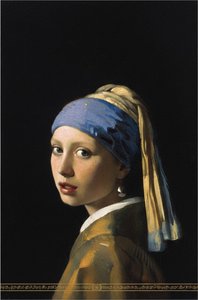
Zlatno Dobo Nizozemske: 10 Remekdjela Koja Su Definirala Umjetnost i Dekor
Otkrijte remekdjela nizozemskog Zlatnog doba! Uronite u svijet Rembrandta, Vermeera i drugih majstora. 10 slika koje su definirale holandsku umjetnost & barokni stil. Inspirirajte se za dekoraciju doma s AllPaintingsStore.com – reprodukcije vrhunske kvalitete!
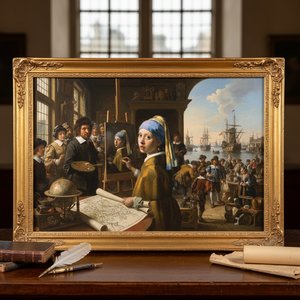
Golden Age Reflections: Dutch Baroque Painting & Cultural Innovation
Explore the Dutch Golden Age of painting! Discover key artists like Vermeer & ter Borch, their innovative techniques, and the rich cultural context behind these Baroque masterpieces. Learn about collecting & appreciating this iconic art period.

Mastering Light & Shadow: A Journey Through the Dutch Golden Age's Luminous Legacy
Embark on a cultural journey through the Dutch Golden Age. Explore the masterful interplay of light and shadow in 17th-century masterpieces, from Rembrandt to Vermeer, and discover how this era of profound realism continues to inspire fine art collectors today.

