Jamstvo povrata novca u roku od 100 dana Besplatna dostava širom svijeta
449.564umjetnička djela 30.613umjetnici 4.660muzeji 32jezici
Katalogski zapis

Conversation

1927. Acrylic On Canvas, 130.0 x 97.0 cm.

Sl. 1. Giorgio De Chirico, Conversation, 1927. Prikazano kao reprodukcija koju odabirate: , .

§ 1Katalogski podaci

Dimenzije
130.0 x 97.0 cm

§ 2Apstraktno

Opis kolekcionarskog predmeta

Giorgio de Chirico’s ‘Conversation,’ a haunting metaphysical masterpiece from 1927, depicts two figures in classical attire amidst an unsettling dreamscape. Explore this iconic work and bring its enigmatic beauty into your space.

Biografija umjetnika

Giorgio de Chirico bio je italijanski umjetnik koji je osnovao metafizičku školu slikarstva i bio velik utjecaj na Surrealizam. Poznat po svojim dremljivim gradskim pejzažima, filozofskim temama i ikoničnim manekinama, De Chirico je jedan od najvažnijih predstavnika moderne umjetnosti.

§ 3Komentar

A Frozen Moment of Existential Inquiry: De Chirico’s *Conversation*

Giorgio de Chirico's 1927 painting, *Conversation*, is more than just a depiction of two figures engaged in dialogue; it’s a meticulously crafted evocation of the unsettling anxieties and philosophical questions that defined the burgeoning Metaphysical art movement. Executed during a period of profound intellectual and social upheaval – marked by the rise of Nietzschean thought and a growing sense of alienation within European cities – the painting captures a moment suspended between reality and dream, logic and irrationality. The scene unfolds within a classically rendered room, imbued with an almost theatrical stillness that amplifies the inherent tension of the interaction.

  • Subject Matter: The central focus is undeniably the interaction between the man and woman. Their formal attire – the man’s tie, the woman's bun – speaks to a bygone era, yet their faces remain deliberately obscured, fostering an immediate sense of detachment and anonymity.
  • Composition & Technique: De Chirico masterfully employs his signature technique of juxtaposing familiar objects in unexpected ways, creating a disconcerting effect. The dining table, the vase, and the two framed pictures contribute to this unsettling atmosphere, drawing the viewer into a space that feels both recognizable and profoundly strange. The use of sharp angles, receding planes, and a limited color palette – dominated by muted browns, grays, and ochres – further enhances the painting’s sense of depth and isolation.

The Roots of Metaphysical Art

De Chirico's *Conversation* is a cornerstone of the Metaphysical art movement, which emerged in Italy during the 1920s. This style sought to depict not what was seen, but what *could be seen*, tapping into subconscious anxieties and exploring themes of loneliness, alienation, and the illusory nature of reality. Influenced heavily by philosophers like Schopenhauer and Nietzsche, De Chirico aimed to capture the subjective experience of existence – a world perceived through fragmented memories and unsettling juxtapositions. The painting’s atmosphere mirrors the intellectual climate of the time, reflecting a growing disillusionment with traditional values and a fascination with the irrational.

  • Historical Context: Created in 1927, *Conversation* reflects the anxieties of a Europe grappling with rapid industrialization, social change, and the rise of totalitarian ideologies.
  • Philosophical Influences: The painting’s themes resonate directly with the existentialist philosophies gaining traction at the time, particularly concerning the isolation of the individual within a seemingly meaningless world.

Symbolism and Emotional Resonance

*Conversation* is rich in symbolic potential, though De Chirico deliberately avoids explicit interpretations. The obscured faces invite viewers to project their own anxieties and uncertainties onto the scene. The classical setting, combined with the unsettling composition, creates a sense of timelessness – as if these figures are trapped within an eternal loop of unspoken dialogue. The painting’s emotional impact is profoundly melancholic, evoking a feeling of unease and prompting contemplation about the nature of communication, identity, and the human condition. It's a visual meditation on the profound loneliness that can exist even in the midst of interaction.

Specifications

Title: Conversation

Artist: Giorgio de Chirico

Year: 1927

Size: 130 x 97 cm

Style: Metaphysical Art

Medium: Oil on Canvas

Pitanja i odgovori

Što "Conversation" dijeli s ostatkom stvaralaštva umjetnika Giorgio De Chirico?

"Conversation" pripada djelu Giorgio De Chirico iz pokreta Metaphysical Surrealism, čije su zabilježene teme uključivale nietzsche, schopenhauer, weininger, alienation, existentialism, doubt, classical symbolism, illusion.

Koliko su intenzivne boje djela "Conversation"?

Zasićenost boja u djelu "Conversation" iznosi Balanced Soft, dok je intenzitet Vivid.

Gdje mogu preuzeti "Conversation" autora Giorgio De Chirico?

Preuzimanje je dostupno za "Conversation": na stranici Preuzimanje digitalne slike ovog umjetninog djela možete pronaći preuzimanje digitalne slike visoke rezolucije.
§ 4Umjetnik

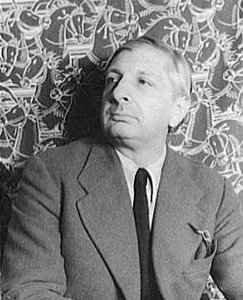
Giorgio De Chirico

Giorgio De Chirico

1888 - 1978, Грчка

Brzi pregled o Giorgio De Chirico

  • Artistic Movement Or Style: Metafizička umjetnost
  • Artists Who Influenced This Artist:
    • Arnold Böcklin
    • Max Klinger
    • Friedrich Nietzsche
  • Date Of Birth: 10 srpnja 1888.
  • Date Of Death: 20. studenoga 1978.
  • Full Name: Giorgio de Chirico
  • Nationality: Talijan
  • Notable Artworks:
    • The Vexations of the Thinker
    • The Enigma of an Autumn Afternoon
  • Place Of Birth: Volos, Grčka

Biografija umjetnika

Giorgio de Chirico (1888–1978): The Architect of Dreamlike Landscapes

Giorgio de Chirico, born in Volos, Greece, on July 10th, 1888, to Italian parents—a Genoese mother and a Sicilian father—was an artist whose life was inextricably linked with the intellectual currents of his time. From a young age, he demonstrated an exceptional talent for drawing and painting, nurtured by a formal education at Athens Polytechnic where he honed his skills in classical techniques. However, it was his relocation to Munich in 1906 that truly propelled him onto the artistic stage, immersing him in the vibrant atmosphere of German Symbolism and fostering connections with artists like Arnold Böcklin and Max Klinger—figures whose haunting landscapes and symbolic imagery profoundly shaped his aesthetic sensibilities. These encounters instilled within him a fascination for mythology and a preoccupation with exploring the hidden realities beneath the surface of perception.

The Genesis of Metaphysical Art

Around 1909, de Chirico embarked on an unprecedented artistic endeavor: the creation of “Metaphysical” art—a style that defied conventional categorization and sought to capture the unsettling poetry residing within familiar spaces. Inspired by the philosophical writings of Friedrich Nietzsche, Arthur Schopenhauer, and Otto Weininger—who wrestled with questions of existentialism and the irrationality of human desire—he began to depict scenes populated by enigmatic figures and architectural elements rendered in jarring juxtapositions. His most iconic works, such as *The Vexations of the Thinker* and *The Enigma of an Autumn Afternoon*, exemplify this distinctive aesthetic: desolate cityscapes bathed in melancholic shadows, inhabited by mannequins and statues imbued with a palpable sense of loneliness—a visual language that resonated deeply with the anxieties of the era. This groundbreaking style quickly gained recognition within the artistic community, establishing him as a pioneer of Surrealism and influencing artists like René Magritte and Salvador Dalí.

A Collaborative Spirit & Early Recognition

In 1919, de Chirico moved to Paris alongside his brother Alberto Savinio—a partnership that proved pivotal in shaping their artistic trajectory. Together, they founded the Scuola Metafisica, a collective dedicated to exploring the metaphysical principles of art and challenging established conventions. Their initial exhibitions at the Salon d’Autoumne and Salon des Indépendants garnered critical acclaim and cemented their connections with influential figures like Guillaume Apollinaire—who penned one of his earliest biographical texts—and Paul Guillaume—who secured him his first commercial contract. Notably, he befriended Mario Tozzi, Massimo Campigli, Alberto Magnelli and Gino Severini, all Italian artists who were operating in Paris during this period.

Expanding Horizons & Embracing Surrealism

The Second World War interrupted de Chirico’s artistic pursuits but did not diminish his influence on the burgeoning Surrealist movement. He continued to paint prolifically, experimenting with diverse styles and subjects—from monumental sculptures inspired by classical mythology to intimate portraits reflecting a profound engagement with human psychology. His exploration of architectural spaces and enigmatic figures—recurring motifs in his oeuvre—became emblematic of Surrealism’s quest for dreamlike imagery and subconscious expression. Despite facing criticism from some quarters regarding the perceived decline in quality of his later works, de Chirico remained steadfast in his artistic convictions, revisiting themes from his formative years while maintaining a meticulous attention to craftsmanship and technical skill.

Legacy & Enduring Influence

Giorgio de Chirico’s contribution to art history transcends stylistic innovation; it represents a fundamental rethinking of perception and representation—a challenge to the accepted norms of Western painting that continues to inspire artists today. His pioneering exploration of metaphysical principles paved the way for Surrealism, influencing generations of creatives who sought to capture the elusive realm of dreams and unconsciousness. Beyond his artistic achievements, de Chirico’s intellectual engagement with Nietzsche and Schopenhauer—and his unwavering commitment to humanist values—solidified his place as a visionary artist whose work embodies the spirit of an era marked by profound philosophical questioning and aesthetic experimentation. His paintings remain treasured artifacts of 20th-century art, inviting viewers to contemplate the mysteries of existence and the transformative power of imagination.

§ 5Srodna djela

§ 6Pitanja

Osnovne informacije

  • Medium: Oil on canvas
  • Artistic style: Surrealism
  • Notable elements: Classical attire
  • Year: 1927
  • Title: Conversation

§ 7Citiraj ovaj unos

AllPaintingsStore.com, “Giorgio De Chirico, Conversation (1927)”, https://allpaintingsstore.com/hr/art/giorgio-de-chirico-conversation-8XY4SD-en/ArtistReproduction/ (pristupljeno 10 Listopad 2026).

§ 8Reprodukcija

Ručno rađena uljana reprodukcija

Ručno oslikano uljanim bojama na platnu u dimenzijama i okviru po vašem izboru, izrađeno po narudžbi od strane naših umjetnika. ( Prebacite na printove Prebacite na digitalnu sliku)

Navedeno je u rub margins narudžbenice; trenutno stanje te narudžbenice glasi:

Conversation

Tehnika reprodukcije

Veličina reprodukcije

-

Odabrani vrhunski umjetnik

Više detalja, profinjenosti i dodatnog vremena za izradu

-

Okvir za reprodukciju

-

-

Za umjetnička djela ili reprodukcije veće od 105 cm (približno 41 inč) na bilo kojoj strani, okvir će biti isporučen u obliku rastavljenog seta za montažu. Ovaj način osigurava sigurnu dostavu i sprječava oštećenja tijekom transporta.

Potrebna je profesionalna montaža – ovo nije proizvod za samostalnu izradu.
Set mora sastaviti i platno zategnuti iskusni profesionalni uokvirivač, koristeći drvno ljepilo (nije uključeno u set), kljeste za zatezanje platna i stege kako bi se održao pravilan kut letvica dok se ljepilo suši. Nepravilna montaža ili neravnomjerno zategnuto platno mogu trajno oštetiti umjetničko djelo, a takva oštećenja nisu pokrivena našim jamstvom.

  • Sve letvice od punog drveta su uključene, precizno izrezane po mjeri.

  • Montira se pomoću priloženih vijaka, uz dodatak ljepila za drvo za spojeve u kutovima, koje nije uključeno u set i koje vaš okviraš mora vlastito nabaviti.

  • Potrebni su profesionalni alati koji nisu uključeni: škripc za zatezanje platna (zatezač) i stezaljke za održavanje pravokonačnosti letvica tijekom sušenja ljepila.

Važno:
Za spojeve u kutovima potrebno je ljepilo za drvo, letvice se moraju pričvrstiti stezgama dok se ljepilo potpuno ne osuši, a za zatezanje platna na sastavljenom okviru potreban je alat za zatezanje platna. Nijedan od ovih alata nije uključen u set. Molimo vas da prije narudžbe ove veličine osigurate uslugu iskusnog profesionalnog uokvirivača.

Natpisna pločica

-

-

Zaštitni lak

Sjajni lak (pojačava intenzitet boja, štiti od svjetlosti i vlage)

-

Prilagodite svoje umjetničko djelo

Primjeri mogućnosti prilagodbe: Zamijenite lice fotografijom kupca; Dodajte ljubimca (npr. zamijenite mačku psom); Uključite skrivenu poruku u pozadinu; Promijenite pejzaž ili elemente pozadine.

-

Hitna dostava

Globalna dostava () u roku od 3-4 tjedna umjesto standardnih 5 tjedana. (7 Studeni). Bez kompromisa u kvaliteti.

-

Brza dostava

Dostava širom svijeta () u roku od 5 tjedana. (14 Studeni).

Uključeno u cijenu

Ukupna cijena

€ 230

Uključeno uz svaku narudžbu

  • Besplatna ekspresna dostava širom svijeta
  • Visokokvalitetno laneno platno
  • Potpuno osiguranje dostave
  • Jamstvo povrata carine i uvoznih poreza
  • Jamstvo vjernosti boja
  • Politika povrata u roku od 100 dana (samo u slučaju nedostataka)
  • Jamstvo povrata 100% novca
  • Popust na više proizvoda
Narudžbenica