


 Pregledaj u stvarnoj veličini
 Pošalji
 Podijeli
 Detalji o umjetničkom djelu

 Preuzmi
 Slični predmeti
 Rentgenska snimka
 Automatska prezentacija
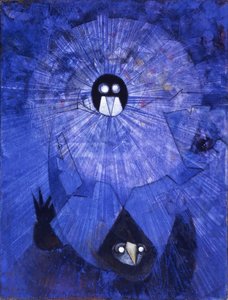
Expressionistische Landschaft
 Prikaži više
Giclée / Umjetnički otisak
Giclée tisak muzejske kvalitete ili otisak na platnu uz brzu proizvodnju i fleksibilne opcije završne obrade. ( Kupi ručno naslikanu sliku Kupi digitalnu sliku)




































Odaberite jednu od naših unaprijed definiranih veličina koje odgovaraju izvornim proporcijama umjetničkog djela.

Možete unijeti vlastite dimenzije kako biste umjetničko djelo prilagodili specifičnom okviru ili prostoru. Ako odabrana veličina ne odgovara proporcijama izvornog rada, izrezat ćemo dio slike ili je proširiti pomoću ogledalnog efekta ili jednobojne rubne površine. Digitalni prikaz (mockup) bit će vam poslan na odobrenje prije početka proizvodnje.
Imajte na umu da pregled na zaslonu ne odražava stvarno izrezivanje ili proširivanje. Samo će mockup točno prikazati konačnu kompoziciju.
Iako su dostupne prilagođene veličine, preporučujemo odabir dimenzije iz unaprijed definirane liste kako biste očuvali izvorne proporcije.
Dostava širom svijeta () u roku od 2 tjedna umjesto standardnih 4/5 tjedana. (20 Kolovoz)

Besplatna ekspresna dostava širom svijeta

Visokokvalitetno laneno platno

Potpuno osiguranje dostave

Jamstvo povrata carine i uvoznih poreza

Garancija vjernog podudaranja boja

Politika povrata u roku od 60 dana (samo u slučaju nedostataka)

Jamstvo povrata 100% novca

Popust na više proizvoda
 Opcija stakla dostupna je samo za dimenzije manje od 110 cm

Expressionistische Landschaft
Giclée / Umjetnički otisak
Veličina reprodukcije
-


Ukupna cijena
$ 64
Srodna umjetnička djela




Biografija umjetnika
Hermann Scherer: Life and Legacy
Early Life and Training
Hermann Scherer was born in Rümpingen, Baden-Württemberg, Germany, in 1893. He began his artistic journey not with a brush, but with stone. After leaving school in 1907, he undertook an apprenticeship as a stonemason at the Schwab workshop in Lörrach. This foundational training would profoundly influence his later sculptural work and understanding of form.
Sculptural Beginnings & Artistic Development
From 1910 to 1919, Scherer honed his skills working with a series of Basel sculptors – Carl Gutknecht, Otto Roos, and Carl Burckhardt. Working as a laborer and later an assistant for Roos allowed him to establish a small workshop of his own. This period was crucial in developing his technical abilities and artistic vision. In 1919, Scherer underwent a significant shift, rejecting much of his earlier work and embracing a more contemporary approach to art.
Influences & Expressionist Exploration
The early 1920s marked a period of intense artistic exploration for Scherer. He was deeply influenced by the German painters Erich Heckel, Ernst Ludwig Kirchner, and Karl Schmidt-Rottluff. A visit to an exhibition of Edvard Munch’s work in Zurich further ignited his passion for Expressionism. He forged a close relationship with Kirchner, traveling to Davos for extended painting trips from 1922 to 1924.
The Rot-Blau Group & Public Reaction
In late 1924, Scherer co-founded the artist group Rot-Blau (Red-Blue) with Albert Müller and Paul Camenisch, later joined by Werner Neuhaus. Their debut exhibition at the Basler Kunstverein in 1925 provoked a strong public reaction; some works were deemed offensive in both Basel and Zurich. Despite this controversy, Rot-Blau became an important force in Swiss Expressionism.
Later Years & Legacy
Although his friendship with Kirchner cooled in 1925, their shared commitment to Expressionism remained. Kirchner continued to support the Rot-Blau group, showcasing their work at an international art exhibition in Dresden in 1926. Sadly, Scherer’s career was cut short by illness. He became seriously ill in autumn 1926 and died in Basel on May 13, 1927.
Major Achievements & Historical Significance
- A posthumous exhibition at the Kunsthalle Basel in 1927 showcased over 200 of his works.
- The Dreiländermuseum in Lörrach holds a significant collection of Scherer’s art, including woodcuts and the “Portrait of Otto Staiger.”
- Streets and bridges in Rümpingen are named in his honor.
- His sculpture "Das kleine Mädchen" ("The Little Girl") was acquired by the Pfalzgalerie Kaiserslautern for over 140,000 euros in 2004.
Hermann Scherer’s work represents a vital contribution to Swiss Expressionism. His bold use of color, emotive subject matter, and innovative approach to both painting and sculpture continue to resonate with audiences today. He remains a notable figure in the history of 20th-century art.

Hermann Scherer
1893 - 1927 , Germany
Osnovne informacije
- Birth Date: 1893
- Birth Place: Rümpingen, Germany
- Death Date: 1927-05-13
- Influenced:
- Albert Müller
- Paul Camenisch
- Werner Neuhaus
- Influenced By:
- Erich Heckel
- Ernst Ludwig Kirchner
- Karl Schmidt-Rottluff
- Edvard Munch
- Movement: Expressionism
- Name: Hermann Scherer
- Nationality: Swiss
- Notable Works:
- Expressionistische Landschaft
- Tessiner Landschaft
- Das kleine Mädchen


