


 Pregledaj u realnoj veličini
 Pošalji
 Podijeli
 Detalji o umjetničkom djelu
 Vodič
Vodič

 Preuzmi umjetničko djelo
 Slični predmeti
 Rentgenska snimka
 Slide show
 Q&A
Q&A Statistika
Death Pursuing the Human Herd


 Prikaži više
Giclée / Umjetnički otisak
Giclée tisak muzejske kvalitete ili otisak na platnu uz brzu izradu i raznolike opcije završne obrade. ( Kupi ručno oslikano djelo Prebacite na digitalnu sliku)




P118B €10

P118H €10

P118W €10

P438Z €10

P508JH €12

P508YH €12

P805H €10

P805Z €10

P919BZ €10

P919G €10

P919XJ €10

P959ZH €10

P968JZ €12

W106C €8

W218G €10

W218JH €8

W218Y €10

W307PJ €10

W316G €10

W316PJ €8

W316Y €10

W398PJ €8

W4111J €10

W500HY €15

W500JH €15

W692G €12

W849H €8

W940BG €15

W953PJ €8




Odaberite jednu od naših unaprijed definiranih veličina koje odgovaraju izvornim proporcijama umjetničkog djela.

Unesite potrebnu širinu i visinu kako bi odgovarali vašem okviru ili zidu. Print se može samo izrezati, nikada ne može biti veći od slike, stoga format s drugačijim omjerom stranica uzrokuje gubitak dijela slike. Prije bilo kakve štampe šaljemo vam digitalni prikaz (mockup) na odobrenje. Slika prikazana na ovoj stranici ne prikazuje stvarni rez — to prikazuje isključivo digitalni prikaz.
Dostava širom svijeta () u roku od 2 tjedna umjesto standardnih 4/5 tjedana. (31 Listopad)

Besplatna ekspresna dostava širom svijeta

Visokokvalitetno laneno platno

Potpuno osiguranje dostave

Jamstvo povrata carine i uvoznih poreza

Jamstvo vjernosti boja

Politika povrata u roku od 100 dana (samo u slučaju nedostataka)

Jamstvo povrata 100% novca

Popust na više proizvoda
 Opcija stakla dostupna je samo za dimenzije manje od 110 cm

Death Pursuing the Human Herd
Giclée / Umjetnički otisak
Veličina reprodukcije
-


Ukupna cijena
€ 57
A Vision of Mortality: Decoding James Ensor’s ‘Death Pursuing the Human Herd’
James Ensor's *Death Pursuing the Human Herd* is a visceral and unforgettable statement on the human condition, rendered with the unsettling energy that defines his unique contribution to Expressionism. Painted in the late 19th century, this large-scale oil painting doesn’t offer comfort; it confronts us with the inescapable reality of mortality and the anxieties of modern life. The work is a powerful example of Ensor's ability to blend grotesque imagery with profound philosophical questioning.Subject & Composition: A Chaotic Flight from Fate
The canvas explodes with a frenzied scene – a mass of figures, seemingly representing all of humanity, desperately fleeing a skeletal figure embodying Death. The skeleton, wielding a scythe, actively cuts down members of the crowd, emphasizing the indiscriminate nature of fate. Ensor masterfully creates a sense of claustrophobia and panic through the tightly packed composition and dynamic movement. A bizarre element – a figure riding atop a dragon-like creature – adds to the overall feeling of surreal chaos and societal upheaval. The scene isn’t simply about physical death, but also the decay of values and the anxieties surrounding modernity.Style & Technique: Expressionist Intensity
*Death Pursuing the Human Herd* is a prime example of Expressionism, characterized by its bold colors, distorted forms, and emotionally charged brushwork. Ensor doesn’t aim for realistic representation; instead, he utilizes vibrant, often jarring hues and energetic strokes to convey inner turmoil and psychological states. The painting's surface is alive with texture, contributing to the overall sense of unease and urgency. His technique prioritizes emotional impact over precise detail, creating a raw and immediate connection with the viewer. The deliberate crudeness in some areas further amplifies the feeling of desperation and societal breakdown.Symbolism & Interpretation: Masks, Mortality, and Modernity
Ensor’s work is rich in symbolism. The skeleton is an obvious *memento mori*, a reminder of death's inevitability. However, the painting goes deeper. The crowd represents not just individuals but society as a whole, blindly rushing towards its doom. The masks frequently found in Ensor’s oeuvre – though less prominent here than in some other works – hint at the artificiality and hypocrisy he perceived within societal structures. The dragon-like creature could symbolize destructive forces or perhaps the irrationality of power. The painting can be interpreted as a commentary on social injustice, political corruption, and the anxieties surrounding rapid industrialization during the late 19th century.Historical Context & Ensor’s Legacy
James Ensor (1860-1949) was a Belgian painter who anticipated many of the themes and techniques later embraced by Expressionist and Surrealist artists. He rejected academic conventions, forging his own path with intensely personal and often disturbing imagery. His work was initially met with criticism and misunderstanding, but he is now recognized as a pivotal figure in modern art history. *Death Pursuing the Human Herd* exemplifies Ensor’s unique vision – a blend of dark humor, social critique, and profound existential questioning. His influence can be seen in the works of artists like Egon Schiele and Max Beckmann.Emotional Impact & Interior Design Considerations
This painting is not intended to be passively observed; it demands a reaction. It evokes feelings of anxiety, fear, and perhaps even a morbid fascination. Its dramatic composition and intense color palette make it a striking focal point for any space. While its subject matter is dark, the vibrant colors can surprisingly complement modern or eclectic interiors. Consider pairing this reproduction with neutral tones to allow the artwork’s intensity to truly shine. It's a conversation starter, a piece that invites contemplation and challenges conventional perspectives – perfect for those who appreciate art with depth and meaning.- Explore more of James Ensor’s work at AllPaintingsStore.com.
- Discover high-quality oil painting reproductions of *Death Pursuing the Human Herd* at AllPaintingsStore.com.
- Learn about other Expressionist masters like Egon Schiele through AllPaintingsStore.com.
Pitanja i odgovori
Kako se tema djela "Death Pursuing the Human Herd" povezuje s uobičajenim temama umjetnika James Ensor?
"Death Pursuing the Human Herd" prikazuje death and mortality, crowd panic, skeletal figure, dark imagery, symbolic scene, human herd, expressionist theme, dok su zabilježene teme umjetnika James Ensor povezani s romanticism's drama, symbolist undertones, gothic horror elements, social critique", death obsession, anxiety of modernity, "recurr, masks and grotesque figures. Usporedba ova dva elementa pokazuje kako se ovo djelo povezuje s uobičajenim motivima umjetnika.
Preporučena veličina ispisa za "Death Pursuing the Human Herd" je?
Preporučena veličina tiska za "Death Pursuing the Human Herd" autora James Ensor je Large.
Pripada li "Death Pursuing the Human Herd" kojoj periodi umjetnikove karijere James Ensor?
Unutar karijere umjetnika James Ensor, djelo "Death Pursuing the Human Herd" pripada razdoblju Mature Period. Ova faza omogućuje usporedbu s ostalim djelima tog umjetnika.
Srodna umjetnička djela


Biografija umjetnika
James Ensor (1860-1949): A Pioneer of Expressionism & Surrealism
James Sidney Edouard Ensor, Baron Ensor (Ostend, 13 April 1860 – 19 November 1949) was a Belgian painter and printmaker who stands as one of the most influential figures in the development of Expressionism and Surrealism. Born into an English father and Belgian mother—a duality that profoundly shaped his artistic worldview—Ensor defied convention from the outset, rejecting academic formalism for a bold exploration of psychological depth and grotesque imagery.
Early Influences & Artistic Training
His formative years were marked by exposure to the vibrant atmosphere of Ostend’s seaside resort town, where his parents operated a souvenir shop brimming with curiosities—a veritable cabinet of wonders that ignited his imagination. From 1876 until 1880 he studied at the Académie Royale des Beaux-Arts in Brussels, alongside fellow students like Fernand Khnopff and Theo Van Rysselberghe, where Jean Portales instilled in him a commitment to artistic innovation.
A Shift Towards Grotesque Vision & Expressionist Style
Ensor’s early paintings reflected a more traditional approach, depicting scenes of everyday life rendered in somber tones. However, he swiftly abandoned these conventions as he embraced the expressive qualities of light, line, and color—a decisive move toward Expressionism. Influenced by Rembrandt, Goya, and Japanese woodcuts, Ensor developed a distinctive iconography characterized by unsettling juxtapositions and symbolic references to death and decay.
Key Masterpieces & Recurring Themes
His most celebrated works – including *Christ’s Entry into Brussels* (1888-1889), *The Scandalized Masks* (1883) and *Skeletons Fighting over a Hanged Man* (1891) – exemplify his unwavering commitment to confronting uncomfortable truths and exploring the darkest recesses of human psychology. These paintings are not merely aesthetically striking; they serve as powerful critiques of societal norms, religious hypocrisy, and the absurdity of existence.
Legacy & Influence
James Ensor’s artistic legacy extends far beyond his own lifetime. He is recognized as a pivotal catalyst in the transition from Symbolism to Expressionism and Surrealism—a true pioneer who challenged artistic conventions and paved the way for future generations of artists. His fearless exploration of the subconscious, combined with his masterful use of grotesque imagery and symbolic language, continues to inspire artists today.
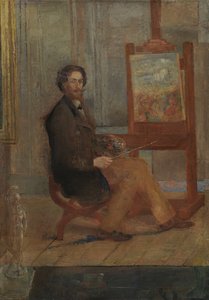
James Ensor
1860 - 1949 , België
Osnovne informacije
- Artistic Movement Or Style: Expressionism, Surrealism
- Artists Who Influenced This Artist:
- Bruegel the Elder
- Francisco Goya
- Whistler
- Date Of Birth: April 13, 1860
- Date Of Death: November 19, 1949
- Full Name: James Sidney Edouard Ensor
- Nationality: Belgian
- Notable Artworks:
- The Scandalized Masks
- Skeletons Fighting...
- Christ's Entry into Brussels
- Place Of Birth: Ostend, Belgium
Srodni članci

Oil on Canvas: A Historical & Technical Exploration of a Timeless Artistic Medium
Explore the rich history & enduring techniques of oil painting on canvas. Discover the science behind its longevity, conservation practices, and contemporary relevance. Expert insights for art enthusiasts.

The Enduring Legacy of Oil on Canvas: Technique, History & Aesthetic Impact
Explore the rich history & techniques of oil painting – from Renaissance masters to Impressionism. Discover pigments, layering methods, and why this timeless medium endures. Expert insights for artists & art enthusiasts.

James Abbott McNeill Whistler: 25 Remek-djela Majstora Tonalizma | AllPaintingsStore
Istražite 25 remek-djela Jamesa Abbotta McNeilla Whistlera, majstora tonalizma i američkog impresionizma. Otkrijte priče iza njegovih čuvenih 'Nocturna' i portreta te pronađite inspiraciju za luksuznu dekoraciju interijera na AllPaintingsStore.com.
Sir Alfred Munnings' Masterpieces: 25 Paintings That Define Equine Art | AllPaintingsStore
Explore 25 iconic Sir Alfred Munnings paintings! Discover the beauty of British Impressionism, equine art & rural England. Find museum-quality reproductions and elevate your home decor with AllPaintingsStore. Explore the full collection online.

James Ensor's Grotesque Visions: Social Commentary & Artistic Innovation
Explore the unsettling yet captivating world of James Ensor, a pioneer of Expressionism. Discover his satirical masterpieces, symbolic imagery & lasting influence on modern art. High-quality reproductions available at AllPaintingsStore.


