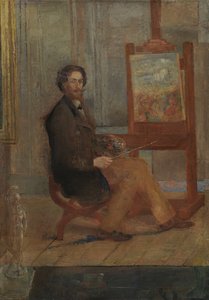
Oil On Canvas.

§ 1Katalogski podaci


§ 2Apstraktno
Opis kolekcionarskog predmeta
Explore James Ensor's 'Fleurs et legumes,' an Expressionist masterpiece capturing vibrant fruits and vegetables with bold brushstrokes. Discover stunning handmade oil reproductions at AllPaintingsStore.
 Prikaži više
Biografija umjetnika
James Ensor bio je belgijski ekspresionista i surrealista poznat po svojim uznemirujućim djelima koje prikazuju maske, karneval i kostiju, promičući inovativnu umjetničku estetiku i izazivajući kritički pogled na društvo.
§ 3Komentar
A Vibrant Echo of Everyday Beauty
James Ensor’s Fleurs et legumes, painted in 1896, is far more than a mere arrangement of produce; it is a masterful distillation of Expressionist principles that breathes life into the mundane. In this captivating still life, the artist invites us to look beyond the surface of apples and carrots to find a profound emotional resonance. The composition, while centered on the familiar textures of fruit and vegetables, possesses an unsettling beauty that serves as a cornerstone of Belgian Symbolism. Ensor transforms a simple tabletop scene into a stage where color and form perform a dramatic, almost psychological, dance, capturing the very essence of life’s fleeting vitality through a lens of intense, raw emotion.The Language of Color and Texture
The true power of this work lies in Ensor’s uncompromising embrace of bold, textured brushstrokes. Eschewing the polished, idealized surfaces favored by the Impressionists, Ensor employs a technique that conveys an immediate, palpable energy. He meticulously builds up layers of pigment to achieve a remarkable depth and luminosity, making the objects appear to pulse with their own internal light. The color palette is intentionally daring, utilizing a visual dissonance that commands attention. Crimson reds clash against acidic yellows and muted greens, creating a sensory experience that is both exhilarating and slightly jarring. For the discerning collector or interior designer, this interplay of light and color offers a dynamic focal point, capable of injecting a sense of movement and sophisticated drama into any curated space.Symbolism Amidst the Belle Époque
To understand Fleurs et legumes, one must consider the era of its creation—the cusp of the Belle Époque, a period defined by both opulent celebration and simmering social unrest. Ensor’s work reflects the anxieties of this transition, using the vibrant textures of nature to mirror the psychological complexities of the human condition. There is a subtle tension within the painting; while the subject matter is ostensibly peaceful, the aggressive application of paint and the clashing hues suggest a world in flux. This ability to capture the beauty of the everyday while hinting at deeper, more turbulent truths makes the piece an enduring masterpiece of Symbolist thought, offering a window into the artist's fascination with the interplay between reality and perception. It remains a profound choice for those seeking art that does not merely decorate a room, but rather, provokes thought and stirs the soul.Pitanja i odgovori
Tko je autor djela "Fleurs et legumes" i u kojem je umjetničkom pravcu?
James Ensor stvorio/la je "Fleurs et legumes" u sklopu pokreta Expressionist Still Life.
Je li prikaz "Fleurs et legumes" autora James Ensor u javnom vlasništvu?
Status autorskih prava za "Fleurs et legumes" autora James Ensor: djelo je u javnom vlasništvu – autorska prava su istekla. To određuje smiju li se slobodno izrađivati reprodukcije slike.
Kako se tema djela "Fleurs et legumes" povezuje s uobičajenim temama umjetnika James Ensor?
Ponavljajuće teme u radovima umjetnika James Ensor uključuju symbolic representation, belgian symbolism, mask imagery, dark humor, expressionist vision; djelo "Fleurs et legumes" fokusira se na fruit composition, vegetable display, table setting, floral arrangement, color palette, texture contrast, belgium art.


 Prebacite na printove


 Za umjetnička djela ili reprodukcije veće od 105 cm (približno 41 inč) na bilo kojoj strani, okvir će biti isporučen u obliku rastavljenog seta za montažu. Ovaj način osigurava sigurnu dostavu i sprječava oštećenja tijekom transporta.