


 Pregledaj u realnoj veličini
 Pošalji
 Podijeli
 Detalji o umjetničkom djelu
 Vodič
Vodič

 Preuzmi umjetničko djelo
 Slični predmeti
 Rentgenska snimka
 Slide show
 Statistika
Rooftops of Ostend

 Prikaži više
Giclée / Umjetnički otisak
Giclée tisak muzejske kvalitete ili otisak na platnu uz brzu izradu i raznolike opcije završne obrade. ( Kupi ručno oslikano djelo Prebacite na digitalnu sliku)




P118B €10

P118H €10

P118W €10

P438Z €10

P508JH €12

P508YH €12

P805H €10

P805Z €10

P919BZ €10

P919G €10

P919XJ €10

P959ZH €10

P968JZ €12

W106C €8

W218G €10

W218JH €8

W218Y €10

W307PJ €10

W316G €10

W316PJ €8

W316Y €10

W398PJ €8

W4111J €10

W500HY €15

W500JH €15

W692G €12

W849H €8

W940BG €15

W953PJ €8




Odaberite jednu od naših unaprijed definiranih veličina koje odgovaraju izvornim proporcijama umjetničkog djela.

Unesite potrebnu širinu i visinu kako bi odgovarali vašem okviru ili zidu. Print se može samo izrezati, nikada ne može biti veći od slike, stoga format s drugačijim omjerom stranica uzrokuje gubitak dijela slike. Prije bilo kakve štampe šaljemo vam digitalni prikaz (mockup) na odobrenje. Slika prikazana na ovoj stranici ne prikazuje stvarni rez — to prikazuje isključivo digitalni prikaz.
Dostava širom svijeta () u roku od 2 tjedna umjesto standardnih 4/5 tjedana. (28 Listopad)

Besplatna ekspresna dostava širom svijeta

Visokokvalitetno laneno platno

Potpuno osiguranje dostave

Jamstvo povrata carine i uvoznih poreza

Jamstvo vjernosti boja

Politika povrata u roku od 100 dana (samo u slučaju nedostataka)

Jamstvo povrata 100% novca

Popust na više proizvoda
 Opcija stakla dostupna je samo za dimenzije manje od 110 cm

Rooftops of Ostend
Giclée / Umjetnički otisak
Veličina reprodukcije
-


Ukupna cijena
€ 56
A Window into Ostend’s Soul: James Ensor's Rooftops
- James Ensor (1860-1949), a Belgian artist born in Ostend, stands as a singular figure within the Symbolist movement. His work transcends mere representation; it delves into psychological landscapes and confronts viewers with unsettling truths about human existence.
- “Rooftops of Ostend,” painted circa 1888-1900, exemplifies Ensor’s distinctive style—characterized by bold lines, flattened perspectives, and a deliberate rejection of academic conventions. The canvas captures the cityscape of Ostend with remarkable precision, yet simultaneously imbues it with an atmosphere of melancholy and contemplation.
Composition and Technique: Embracing Distortion for Emotional Resonance
- Ensor’s technique is marked by a masterful use of impasto—thickly applied paint—creating textural surfaces that heighten the visual impact. The artist employs a muted palette dominated by earthy tones, punctuated by splashes of crimson and ochre, mirroring the dramatic interplay between light and shadow.
- Notably, Ensor deliberately distorts architectural forms, flattening planes and exaggerating contours to convey a sense of unease and disorientation. This stylistic choice isn’t merely decorative; it serves as a conduit for expressing psychological anxieties—a hallmark of Symbolist art.
Historical Context: The Shadow of Modernity
- "Rooftops of Ostend" emerged during the late Victorian era and coincided with burgeoning industrialization and urbanization. Ensor’s depiction reflects anxieties surrounding societal change, mirroring broader concerns about the loss of innocence and the encroaching influence of modernity.
- Ostend itself was a prominent port city undergoing rapid transformation—a hub for trade and tourism—and Ensor's painting captures this dynamism while simultaneously hinting at its darker undercurrents. The inclusion of a clock symbolizes the relentless march of time, emphasizing the ephemeral nature of human experience.
Symbolism Beyond Surface Appearance: Masks and Disguise
- As with much of Ensor’s oeuvre, “Rooftops of Ostend” is laden with symbolic references. The prominent clock serves as a visual motif for confronting mortality—a recurring theme in Ensor's work. Furthermore, the artist’s penchant for masks and disguise reflects his preoccupation with concealing identity and exploring hidden emotions.
- The overcast sky contributes to the painting’s mood of introspection and apprehension. It symbolizes obscurity and uncertainty, mirroring the psychological complexities portrayed within the cityscape itself—a space where appearances deceive and truths remain concealed.
Emotional Impact: A Portrait of Existential Disquiet
- "Rooftops of Ostend" resonates with viewers on a visceral level, eliciting feelings of melancholy and unease. Ensor’s masterful manipulation of color and texture compels contemplation—inviting us to confront uncomfortable realities about human condition.
- More than just a depiction of a place, the painting is an exploration of inner turmoil—a testament to Ensor's ability to translate psychological states into visual form. It remains a powerful reminder that art can transcend mere representation and communicate profound truths about our shared experience.
Pitanja i odgovori
Kako mogu pregledati reprodukciju djela "Rooftops of Ostend" autora James Ensor?
Kako biste pregledali reprodukciju djela "Rooftops of Ostend" autora James Ensor, otvorite stranicu Pregled u prostoru tog umjetničkog djela.
Koja je postava prikladna za format djela "Rooftops of Ostend" autora James Ensor?
Format Landscape djela "Rooftops of Ostend" autora James Ensor preporučuje se za Living Room. Format i prostor zajedno usmjeravaju postavljanje reprodukcije.
Mogu li vidjeti rentgenski prikaz djela "Rooftops of Ostend" autora James Ensor?
X-ray prikaz djela "Rooftops of Ostend" autora James Ensor možete pronaći na stranici Rentgenska snimka: to je interaktivno istraživanje slike kroz jedanaest optičkih slojeva.
Srodna umjetnička djela


Biografija umjetnika
James Ensor (1860-1949): A Pioneer of Expressionism & Surrealism
James Sidney Edouard Ensor, Baron Ensor (Ostend, 13 April 1860 – 19 November 1949) was a Belgian painter and printmaker who stands as one of the most influential figures in the development of Expressionism and Surrealism. Born into an English father and Belgian mother—a duality that profoundly shaped his artistic worldview—Ensor defied convention from the outset, rejecting academic formalism for a bold exploration of psychological depth and grotesque imagery.
Early Influences & Artistic Training
His formative years were marked by exposure to the vibrant atmosphere of Ostend’s seaside resort town, where his parents operated a souvenir shop brimming with curiosities—a veritable cabinet of wonders that ignited his imagination. From 1876 until 1880 he studied at the Académie Royale des Beaux-Arts in Brussels, alongside fellow students like Fernand Khnopff and Theo Van Rysselberghe, where Jean Portales instilled in him a commitment to artistic innovation.
A Shift Towards Grotesque Vision & Expressionist Style
Ensor’s early paintings reflected a more traditional approach, depicting scenes of everyday life rendered in somber tones. However, he swiftly abandoned these conventions as he embraced the expressive qualities of light, line, and color—a decisive move toward Expressionism. Influenced by Rembrandt, Goya, and Japanese woodcuts, Ensor developed a distinctive iconography characterized by unsettling juxtapositions and symbolic references to death and decay.
Key Masterpieces & Recurring Themes
His most celebrated works – including *Christ’s Entry into Brussels* (1888-1889), *The Scandalized Masks* (1883) and *Skeletons Fighting over a Hanged Man* (1891) – exemplify his unwavering commitment to confronting uncomfortable truths and exploring the darkest recesses of human psychology. These paintings are not merely aesthetically striking; they serve as powerful critiques of societal norms, religious hypocrisy, and the absurdity of existence.
Legacy & Influence
James Ensor’s artistic legacy extends far beyond his own lifetime. He is recognized as a pivotal catalyst in the transition from Symbolism to Expressionism and Surrealism—a true pioneer who challenged artistic conventions and paved the way for future generations of artists. His fearless exploration of the subconscious, combined with his masterful use of grotesque imagery and symbolic language, continues to inspire artists today.
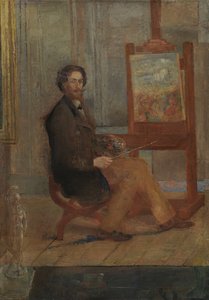
James Ensor
1860 - 1949 , België
Osnovne informacije
- Artistic Movement Or Style: Expressionism, Surrealism
- Artists Who Influenced This Artist:
- Bruegel the Elder
- Francisco Goya
- Whistler
- Date Of Birth: April 13, 1860
- Date Of Death: November 19, 1949
- Full Name: James Sidney Edouard Ensor
- Nationality: Belgian
- Notable Artworks:
- The Scandalized Masks
- Skeletons Fighting...
- Christ's Entry into Brussels
- Place Of Birth: Ostend, Belgium
Srodni članci

Urban Visions: A Historical & Artistic Exploration of the Cityscape in Painting
Explore the evolution of cityscape painting from historical maps to Impressionist masterpieces. Discover artists like Caillebotte, Utrillo & Matsumoto Shunsuke. Find museum-quality reproductions at AllPaintingsStore.

James Ensor's Grotesque Visions: Social Commentary & Artistic Innovation
Explore the unsettling yet captivating world of James Ensor, a pioneer of Expressionism. Discover his satirical masterpieces, symbolic imagery & lasting influence on modern art. High-quality reproductions available at AllPaintingsStore.

Gothic Vibes: From Dark Shadows to Bold Modern Edge | The Ultimate Trend Forecast
Explore the evolution of Gothic vibes, from historical shadows to bold modern edge. Discover how dark aesthetics, noir interiors, and contemporary subcultures are redefining modern design through a high-impact, trend-focused lens.

Shadow & Soul: The Bold Dark Art Trend Redefining Modern Urban Interiors
Level up your space with the boldest trend in urban design. Discover how dark art, moody textures, and high-contrast aesthetics create a powerful visual impact. Master the art of shadow and soul to transform your modern interior into a high-energy masterpiece.

Dark Gray Masterpieces: 10 Iconic Paintings & Timeless Home Decor Ideas
Explore 10 iconic paintings dominated by dark gray tones, from Rembrandt & Caravaggio to Goya. Discover the stories behind these masterpieces and find museum-quality art reproductions for your home at . Explore the full collection online.


