


 Pregledaj u stvarnoj veličini
 Podijeli
 Podijeli
 Detalji
 Vodič
Vodič

 Preuzmi datoteku
 Slični predmeti
 Rentgenska snimka
 Slide show
 Statistika
Skeletons Warming Themselves
 Acrylic On Canvas
- WallArt
- Symbolist Expressionism
 1889
1889- Early Medieval
 74.0 x 60.0 cm
 Kimbell Art Museum
 Pročitajte više
Ručno rađena uljana reprodukcija
Ručno oslikano uljanim bojama na platnu u dimenzijama i okviru po vašem izboru, izrađeno po narudžbi od strane naših umjetnika. ( Prebacite na prodaju printova Prebacite na digitalnu prodaju slika)




P118B €10

P118H €10

P118W €10

P438Z €10

P508JH €12

P508YH €12

P805H €10

P805Z €10

P919BZ €10

P919G €10

P919XJ €10

P959ZH €10

P968JZ €12

W106C €8

W218G €10

W218JH €8

W218Y €10

W307PJ €10

W316G €10

W316PJ €8

W316Y €10

W398PJ €8

W4111J €10

W500HY €15

W500JH €15

W692G €12

W849H €8

W940BG €15

W953PJ €8




Odaberite jednu od naših unaprijed definiranih veličina koje odgovaraju izvornim proporcijama umjetničkog djela.

Unesite širinu i visinu koja vam je potrebna, kako bi odgovarali vašem okviru ili zidu. Budući da je ovo ručno oslikano djelo, umjetnik može malo proširiti rubove slike ili ih skratiti kako bi postigao željeni oblik — izbor je vaš. Prije početka slikanja poslat ćemo vam digitalni prikaz (mockup) radi potvrde. Slika prikazana na ovoj stranici ne predstavlja stvarni rezultat — samo digitalni prikaz to čini.
Nakon narudžbe, tim AllPaintingsStore.com kontaktirat će klijenta putem e-pošte radi dobivanja uputa te dostaviti probni prikaz (mockup)
Isporuka širom svijeta () u roku od 3-4 tjedna umjesto standardnih 5 tjedana. (22 Listopad). Bez kompromisa u kvaliteti.

Besplatna ekspresna dostava širom svijeta

Visokokvalitetno laneno platno

Potpuno osiguranje transporta

Jamstvo povrata carine i uvoznih poreza

Jamstvo vjernosti boja

Politika povrata u roku od 100 dana (samo u slučaju nedostataka)

Jamstvo povrata 100% novca

Popust na više proizvoda
 Opcija stakla dostupna je samo za dimenzije manje od 110 cm

Skeletons Warming Themselves
Tehnika izrade
Veličina reprodukcije
-


Ukupna cijena
€ 226
A Haunting Still Life: James Ensor’s *Skeletons Warming Themselves*
James Ensor's 1889 painting, *Skeletons Warming Themselves*, isn’t merely a depiction of figures around a hearth; it’s a profoundly unsettling meditation on mortality, artistic endeavor, and the lingering echoes of history. Emerging from the artist’s uniquely layered background – his English father and Belgian mother, coupled with a childhood steeped in Ostend's macabre discoveries of skeletal remains – Ensor crafts an image that simultaneously invites contemplation and evokes a chilling unease. The painting possesses a remarkable duality: on one level, it presents a domestic scene, almost banal in its arrangement of skeletons, a palette, brushes, and a violin; yet, beneath this veneer lies a complex web of symbolism and historical reference that demands careful consideration.
The Palette of Decay and Creation
Ensor’s masterful manipulation of monochrome creates an atmosphere thick with melancholy. The stark black and white palette emphasizes the skeletal forms, lending them an almost porcelain quality while simultaneously highlighting their vulnerability. Notice how the artist subtly shifts tones – a slight darkening around the edges of the skeletons, suggesting age and decay, contrasts sharply with the brighter areas where they are clustered near the stove. This careful use of value is crucial to the painting’s impact, drawing the viewer's eye across the composition and reinforcing the central theme of transience. The inclusion of the palette and brush isn’t accidental; it directly references Ensor’s own artistic practice, suggesting a cycle of creation and destruction, life and death inextricably linked.
Echoes of Ostend and the Dance of Death
The setting itself is deeply rooted in Ensor's personal history. The stove, inscribed with “Pas de feu” (“No fire”) and followed by “en trouverez vous demain?” (“Will you find any tomorrow?”), immediately evokes a sense of abandonment and uncertainty. This cryptic message resonates with the historical context of Ostend, where human bones were routinely unearthed for centuries – remnants of past conflicts and a constant reminder of mortality. Furthermore, *Skeletons Warming Themselves* aligns itself with the tradition of the “Dance of Death” prints, popular during the medieval and Renaissance periods. These allegorical images frequently depicted skeletons as symbols of universal death, often engaging in satirical commentary on various professions and social classes. Ensor’s work subtly echoes this tradition, transforming the skeletal figures into a group engaged in quiet contemplation – perhaps even a shared ritual of remembrance.
A Hidden Portrait and the Artist's Struggle
Interestingly, X-radiographs revealed that *Skeletons Warming Themselves* was created over an earlier painting: a bust-length portrait of a young girl. This layering of images speaks volumes about Ensor’s artistic process and his personal circumstances at the time. The decision to rework an existing canvas suggests a period of economic hardship, a common struggle for many artists in late 19th-century Europe. It also hints at a possible desire to move beyond a previous work, perhaps seeking a new direction or grappling with unresolved emotions. The painting becomes not just a visual statement but a window into the artist’s creative journey and his internal landscape.
A hand-painted reproduction of *Skeletons Warming Themselves* offers a unique opportunity to bring this haunting masterpiece into your home. Its evocative imagery, rich symbolism, and historical depth will undoubtedly spark conversation and serve as a poignant reminder of the ephemeral nature of life itself. The meticulous detail captured in the reproduction allows you to appreciate Ensor’s masterful technique and his profound exploration of the human condition – a truly captivating addition to any art collection or interior design scheme.
Pitanja i odgovori
Spada li "Skeletons Warming Themselves" autora James Ensor među tražena djela pokreta Symbolist Expressionism?
"Skeletons Warming Themselves" autora James Ensor klasificira se kao Iconic i pripada pokretu Symbolist Expressionism.
Koliko su intenzivne boje u djelu "Skeletons Warming Themselves" autora James Ensor?
Intenzitet boja djela "Skeletons Warming Themselves" je Monochromatic. Intenzitet opisuje koliko se boje čine snažnima.
S kojim se osjećajem povezuje "Skeletons Warming Themselves"?
"Skeletons Warming Themselves" povezuje se s Melancholic osjećajem. Emocionalni ton opisuje dojam koji djelo ostavlja.
Srodna umjetnička djela


Biografija umjetnika
James Ensor (1860-1949): A Pioneer of Expressionism & Surrealism
James Sidney Edouard Ensor, Baron Ensor (Ostend, 13 April 1860 – 19 November 1949) was a Belgian painter and printmaker who stands as one of the most influential figures in the development of Expressionism and Surrealism. Born into an English father and Belgian mother—a duality that profoundly shaped his artistic worldview—Ensor defied convention from the outset, rejecting academic formalism for a bold exploration of psychological depth and grotesque imagery.
Early Influences & Artistic Training
His formative years were marked by exposure to the vibrant atmosphere of Ostend’s seaside resort town, where his parents operated a souvenir shop brimming with curiosities—a veritable cabinet of wonders that ignited his imagination. From 1876 until 1880 he studied at the Académie Royale des Beaux-Arts in Brussels, alongside fellow students like Fernand Khnopff and Theo Van Rysselberghe, where Jean Portales instilled in him a commitment to artistic innovation.
A Shift Towards Grotesque Vision & Expressionist Style
Ensor’s early paintings reflected a more traditional approach, depicting scenes of everyday life rendered in somber tones. However, he swiftly abandoned these conventions as he embraced the expressive qualities of light, line, and color—a decisive move toward Expressionism. Influenced by Rembrandt, Goya, and Japanese woodcuts, Ensor developed a distinctive iconography characterized by unsettling juxtapositions and symbolic references to death and decay.
Key Masterpieces & Recurring Themes
His most celebrated works – including *Christ’s Entry into Brussels* (1888-1889), *The Scandalized Masks* (1883) and *Skeletons Fighting over a Hanged Man* (1891) – exemplify his unwavering commitment to confronting uncomfortable truths and exploring the darkest recesses of human psychology. These paintings are not merely aesthetically striking; they serve as powerful critiques of societal norms, religious hypocrisy, and the absurdity of existence.
Legacy & Influence
James Ensor’s artistic legacy extends far beyond his own lifetime. He is recognized as a pivotal catalyst in the transition from Symbolism to Expressionism and Surrealism—a true pioneer who challenged artistic conventions and paved the way for future generations of artists. His fearless exploration of the subconscious, combined with his masterful use of grotesque imagery and symbolic language, continues to inspire artists today.
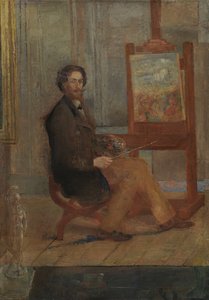
James Ensor
1860 - 1949 , België
Brzi pregled
- Artistic Movement Or Style: Expressionism, Surrealism
- Artists Who Influenced This Artist:
- Bruegel the Elder
- Francisco Goya
- Whistler
- Date Of Birth: April 13, 1860
- Date Of Death: November 19, 1949
- Full Name: James Sidney Edouard Ensor
- Nationality: Belgian
- Notable Artworks:
- The Scandalized Masks
- Skeletons Fighting...
- Christ's Entry into Brussels
- Place Of Birth: Ostend, Belgium
Povezani članci

James Ensor's Grotesque Visions: Social Commentary & Artistic Innovation
Explore the unsettling yet captivating world of James Ensor, a pioneer of Expressionism. Discover his satirical masterpieces, symbolic imagery & lasting influence on modern art. High-quality reproductions available at AllPaintingsStore.

Théo van Rysselberghe: Pioneering Belgian Pointillism & the Pursuit of Luminosity
Explore the captivating world of Théo van Rysselberghe, a pioneer of Belgian Neo-Impressionism. Discover his masterpieces, artistic journey, and lasting impact on modern art. Learn more at AllPaintingsStore.

Vanitas & Beyond: Exploring Mortality's Artistic Legacy for the Elite Collector
Explore the rich history & symbolism of Vanitas paintings with AllPaintingsStore. Discover masterpieces reflecting mortality, societal values, & collecting insights for discerning art enthusiasts.

Krupa's Artistic Vision: Exploring Technique, Themes & Historical Context
Discover the evocative world of Alfred Freddy Krupa, a pioneering Croatian artist redefining 'New Ink Art.' Explore his themes of mortality, memory & nature – and find museum-quality reproductions at AllPaintingsStore.
Unveiling the Mystery: A Journey Through the World's Most Iconic Mask Artworks
Embark on a profound journey through the world's most iconic mask artworks. Explore the spiritual depth, intricate craftsmanship, and rich cultural heritage of global traditions, from Chhau to Gomira, in this expert-led exploration of ancestral artistry and symbolic beauty.


