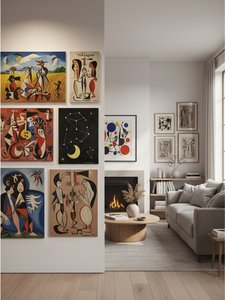
1917. Ulje na platnu, 61.0 x 50.0 cm.

§ 1Catalogue data
 Ulje na platnu
- Zidna umjetnost
- Surrealist Expressionism
 1917
1917- Rana moderna era
 61.0 x 50.0 cm
Ovo djelo je zaštićeno autorskim pravima
Djelo prikazano na ovoj stranici zaštićeno je autorskim pravima, što znači da zakonski ne možemo izraditi niti prodati identičnu reprodukciju. Ova se zaštita provodi u skladu s međunarodnim sporazumima kao što su Bernska konvencija i nacionalnim zakonima, uključujući i one koji su utvrđeni u Američki zakon o autorskom pravu – Title 17.
Kao poštovana i legalna alternativa, nudimo prilagođena, ručno oslikana umjetnička djela inspirirana originalom. Naši vješti i profesionalni umjetnici pažljivo proučavaju stil, raspoloženje i umjetničku bit originala kako bi stvorili novo, jedinstveno djelo koje izaziva isti osjećaj – ostajući pritom vlastito, originalno stvaralaštvo.
Ova metoda u potpunosti je usklađena s autorskim pravima jer ne uključuje kopiranje ili dupliciranje zaštićenih umjetničkih djela. Umjesto toga, riječ je o kreativnoj reinterpretaciji – novoj slici koja je dobila utjecaj na izvornik, ali nije identična njemu.
 Pročitajte više
§ 2Abstract
Opis kolekcionarskog predmeta
Samoportret od Joana Miróa – Izrazna ekspresionistička umetnost koja izaziva pitanja identiteta i emocija. Poznata dela iz 1917. godine, oslanjaju se na simbolizam i surovoću kako bi prikazala dublje psihološke slojeve.
Biografija umjetnika
Otkrijte svijet Joana Mira! Istražite nadrealistička i apstraktna djela, katalonsku simboliku te razigrane oblike. Pionir moderne umjetnosti – pogledajte njegova djela na AllPaintingsStore!
§ 3Commentary
Joan Miró i Ferrà: A Pioneer of Surrealist Expression
Joan Miró i Ferrà (1893 – 1983) stands as one of Catalonia’s most revered artistic figures, a visionary whose oeuvre transcends conventional categorization and delves into the depths of the subconscious mind. From his formative years marked by illness and initial parental reservations regarding his artistic inclinations—a testament to the unwavering conviction that fueled his creative journey—Miró persevered, driven by an innate compulsion to translate dreams, memories, and Catalan identity onto canvas with a uniquely poetic visual language. His early life was steeped in the traditions of Barcelona, a city pulsating with architectural grandeur thanks to Antoni Gaudí’s organic forms, subtly influencing Miró's later explorations of abstraction. The goldsmithing profession of his father instilled an appreciation for meticulous craftsmanship, while the rugged Catalan landscape served as a recurring motif and source of inspiration throughout his artistic career.Self-Portrait: An Emblematic Exploration of Identity
Miró’s 1917 self-portrait is arguably his most celebrated work—a striking declaration of artistic independence that challenges prevailing portraiture norms. This captivating piece invites viewers to contemplate the complexities of human identity through its unconventional use of color, texture, and form. Rendered in earthy browns, blacks, purples, blues, and yellows against a solid green backdrop, the composition centers around a man depicted in a three-quarter view, with his head slightly tilted—a deliberate gesture that imbues the portrait with dynamism. Miró’s style here is expressive and abstract, blending elements of Surrealism, Fauvism, and Expressionism; a masterful synthesis reflecting his evolving artistic sensibilities. Thick impasto brushstrokes dominate around the contours of the face and suit, creating a tactile quality that draws viewers in—a deliberate rejection of photographic realism in favor of conveying emotion through visual language.Surrealist Techniques: Impasto and Symbolic Patterns
The artist’s meticulous attention to detail is evident in the intricate patterns adorning the man's suit—patterns reminiscent of Catalan textiles and imbued with symbolic significance. These patterns contribute to the overall complexity of the composition, mirroring Miró’s fascination with exploring hidden meanings beneath surface appearances. Furthermore, Miró employs thick impasto-like textures throughout the painting—a technique championed by artists like Vasily Kandinsky and Kazimir Malevich—to achieve a palpable sense of physicality and immediacy. The visible brushstrokes are not merely decorative; they serve as conduits for emotion, conveying the artist’s inner turmoil and intellectual engagement with the creative process.Historical Context: Gaudí's Influence and Catalan Identity
Miró’s artistic trajectory was profoundly shaped by Antoni Gaudí’s architectural innovations—particularly Montjuïc Hill in Barcelona, where he established the Fundació Joan Miró. Gaudí’s organic forms and rejection of rigid geometric constraints resonated deeply with Miró’s aesthetic sensibilities, informing his later explorations of abstraction and fostering a commitment to artistic experimentation rooted in Catalan cultural heritage. The Foundation itself embodies Miró's vision for promoting contemporary art—a space dedicated to nurturing young artists and showcasing innovative works that challenge conventional perspectives on artistic expression.A Visionary Legacy: Beyond Representation
Ultimately, Miró’s 1917 self-portrait transcends mere representation; it is a profound meditation on the human condition—a testament to his unwavering belief in the transformative power of art. By prioritizing emotion over accuracy and embracing stylistic freedom, Miró established himself as a pioneer of Surrealist expression—a figure whose enduring legacy continues to inspire artists and captivate audiences worldwide. His work remains an emblem of Catalan identity and artistic innovation—a celebration of imagination and a courageous assertion of individuality against the constraints of convention.Pitanja i odgovori
Tko je stvorio "Samoportret" i u kojem je stilu izvedeno?
Joan Miró stvorio/la je "Samoportret" u sklopu pokreta Surrealist Expressionism.
Je li "Samoportret" autora Joan Miró portret, pejzaž ili kvadratna kompozicija?
Format djela "Samoportret" je Portretna orijentacija, što vam može pomoći pri planiranju prostora za postavljanje reprodukcije.
Postoji li prezentacija u obliku slajdova za "Samoportret" autora Joan Miró?
Dostupna je i prezentacija slika na stranici Galerija slika za djelo "Samoportret" autora Joan Miró.


 Prebacite na printove


 Za umjetnička djela ili reprodukcije veće od 105 cm (približno 41 inč) na bilo kojoj strani, okvir će biti isporučen u obliku rastavljenog seta za montažu. Ovaj način osigurava sigurnu dostavu i sprječava oštećenja tijekom transporta.