


 Pregledaj u realnoj veličini
 Pošalji
 Podijeli
 Detalji o umjetničkom djelu
 Vodič
Vodič

 Preuzmi umjetničko djelo
 Slični predmeti
 Rentgenska snimka
 Slide show
 Q&A
Q&A Statistika
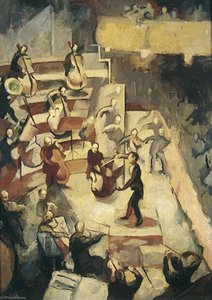
Blackpool Siesta

- 43.0 x 59.0 cm

 Prikaži više
Giclée / Umjetnički otisak
Giclée tisak muzejske kvalitete ili otisak na platnu uz brzu izradu i raznolike opcije završne obrade. ( Kupi ručno oslikano djelo Prebacite na digitalnu sliku)




































Odaberite jednu od naših unaprijed definiranih veličina koje odgovaraju izvornim proporcijama umjetničkog djela.

Unesite potrebnu širinu i visinu kako bi odgovarali vašem okviru ili zidu. Print se može samo izrezati, nikada ne može biti veći od slike, stoga format s drugačijim omjerom stranica uzrokuje gubitak dijela slike. Prije bilo kakve štampe šaljemo vam digitalni prikaz (mockup) na odobrenje. Slika prikazana na ovoj stranici ne prikazuje stvarni rez — to prikazuje isključivo digitalni prikaz.
Dostava širom svijeta () u roku od 2 tjedna umjesto standardnih 4/5 tjedana. (1 Studeni)

Besplatna ekspresna dostava širom svijeta

Visokokvalitetno laneno platno

Potpuno osiguranje dostave

Jamstvo povrata carine i uvoznih poreza

Jamstvo vjernosti boja

Politika povrata u roku od 100 dana (samo u slučaju nedostataka)

Jamstvo povrata 100% novca

Popust na više proizvoda
 Opcija stakla dostupna je samo za dimenzije manje od 110 cm

Blackpool Siesta
Giclée / Umjetnički otisak
Veličina reprodukcije
-


Ukupna cijena
€ 57
Srodna umjetnička djela


Biografija umjetnika
A Victorian Vision of Rural England
John Albert Cooper (1894–1943) emerged as a profound voice within the British Impressionist movement, capturing the fleeting soul of the landscape during the late Victorian and early Edwardian eras. While history often reserves its brightest spotlights for luminaries such as Turner or Constable, Cooper carved out a unique space in the art world through his ability to translate the quiet dignity of rural Yorkshire into luminous, breathing canvases. His work serves as more than mere documentation; it is a poignant reflection on a changing social landscape, where the encroaching industrial spirit of the north met the enduring, pastoral beauty of the English countryside.
Born in Leeds, West Yorkshire, Cooper’s early life was steeped in the duality of his surroundings. Growing up amidst the tension between industrial innovation and the ancient rhythms of nature, he developed an eye for the subtle interplay of light and shadow that would become his stylistic hallmark. His formal training at the Leeds School of Art provided him with a rigorous foundation, yet it was his subsequent solo journey into the heart of the landscape that truly defined his artistic identity. He found himself deeply moved by the atmospheric mastery of J.M.W. Turner, seeking to replicate that sense of emotional weight through color and light, while also drawing inspiration from the soft, sensory textures of Impressionist masters like Claude Monet and Pierre-Auguste Renoir.
The Alchemy of Light and Technique
To observe a Cooper landscape is to witness a meticulous study of the natural world’s most transient moments. He possessed an almost spiritual devotion to observing light during the "golden hours" of dawn and dusk, periods when the atmosphere thickens and colors undergo dramatic transformations. His technique was characterized by a masterful use of watercolor, where he applied delicate, thin washes of pigment to build layers of profound luminosity. This method allowed him to achieve a sense of depth that felt both ethereal and grounded, inviting the viewer into a state of quiet contemplation.
Unlike many of his contemporaries who sought only to capture the immediate visual sensation of a scene, Cooper’s work often possessed a deeper, more meditative quality. His brushwork, while loose and impressionistic, was never haphazard; rather, it was directed by an intention to convey mood. Whether depicting the sturdy silhouettes of oasthouses in Menston or the rugged charm of stone cottages, his paintings evoke a sense of permanence amidst change. Through his use of color, he could transform a simple rural structure into a symbol of historical endurance, making his oeuvre a vital record of a vanishing way of life.
Legacy and Artistic Significance
The significance of John Albert Cooper lies in his ability to bridge the gap between traditional academic landscape painting and the emotive freedom of Impressionism. His work remains a testament to the beauty of the British landscape, rendered with a sensitivity that honors both the physical reality of the land and the emotional response of the observer. Even as the world moved toward more abstract forms of expression, Cooper remained committed to the idea that art could serve as a vehicle for spiritual contemplation through the observation of natural splendor.
Today, his contributions to British art history are recognized through his evocative depictions of:
- The Yorkshire Countryside: Capturing the atmospheric charm of rural structures and landscapes.
- Atmospheric Landscapes: Utilizing light and watercolor washes to create depth and emotion.
- Historical Continuity: Reflecting the transition from the Victorian era into a more modern, industrial age.
Though his life was relatively short, ending in 1943, the enduring vitality of his color palettes ensures that his vision of England remains as vibrant and evocative today as it was during his lifetime.
John Albert Cooper
1894 - 1943
Osnovne informacije
- Artistic Movement Or Style: Impressionism
- Artists Or Movements Influenced By This Artist: ['Turner']
- Artists Who Influenced This Artist: ['Albert Goodwin']
- Date Of Birth: 1894
- Date Of Death: 1943
- Full Name: John Albert Cooper
- Nationality: British
- Notable Artworks: ['Oasthouses, Menston']
- Place Of Birth: Yorkshire