


 Pregledaj u realnoj veličini
 Pošalji
 Podijeli
 Detalji o umjetničkom djelu
 Vodič
Vodič

 Preuzmi umjetničko djelo
 Slični predmeti
 Rentgenska snimka
 Slide show
 Pitanja i odgovori
 Statistika
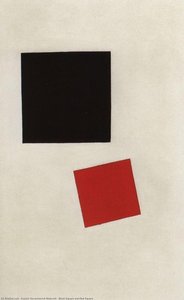
Tatriz

- 100.0 x 100.0 cm


 Prikaži više
Djelo prikazano na ovoj stranici zaštićeno je autorskim pravima, što znači da zakonski ne možemo izraditi niti prodati identičnu reprodukciju. Ova se zaštita provodi u skladu s međunarodnim sporazumima kao što su Bernska konvencija i nacionalnim zakonima, uključujući i one koji su utvrđeni u Američki zakon o autorskom pravu – Title 17.
Ova metoda u potpunosti je usklađena s autorskim pravima jer ne uključuje kopiranje ili dupliciranje zaštićenih umjetničkih djela. Umjesto toga, riječ je o kreativnoj reinterpretaciji – novoj slici koja je dobila utjecaj na izvornik, ali nije identična njemu.
Giclée / Umjetnički otisak
Giclée tisak muzejske kvalitete ili otisak na platnu uz brzu izradu i raznolike opcije završne obrade. ( Kupi ručno oslikano djelo Prebacite na digitalnu sliku)




P118B €10

P118H €10

P118W €10

P438Z €10

P508JH €12

P508YH €12

P805H €10

P805Z €10

P919BZ €10

P919G €10

P919XJ €10

P959ZH €10

P968JZ €12

W106C €8

W218G €10

W218JH €8

W218Y €10

W307PJ €10

W316G €10

W316PJ €8

W316Y €10

W398PJ €8

W4111J €10

W500HY €15

W500JH €15

W692G €12

W849H €8

W940BG €15

W953PJ €8




Odaberite jednu od naših unaprijed definiranih veličina koje odgovaraju izvornim proporcijama umjetničkog djela.

Unesite potrebnu širinu i visinu kako bi odgovarali vašem okviru ili zidu. Print se može samo izrezati, nikada ne može biti veći od slike, stoga format s drugačijim omjerom stranica uzrokuje gubitak dijela slike. Prije bilo kakve štampe šaljemo vam digitalni prikaz (mockup) na odobrenje. Slika prikazana na ovoj stranici ne prikazuje stvarni rez — to prikazuje isključivo digitalni prikaz.
Dostava širom svijeta () u roku od 2 tjedna umjesto standardnih 4/5 tjedana. (8 Studeni)

Besplatna ekspresna dostava širom svijeta

Visokokvalitetno laneno platno

Potpuno osiguranje dostave

Jamstvo povrata carine i uvoznih poreza

Jamstvo vjernosti boja

Politika povrata u roku od 100 dana (samo u slučaju nedostataka)

Jamstvo povrata 100% novca

Popust na više proizvoda
 Opcija stakla dostupna je samo za dimenzije manje od 110 cm

Tatriz
Giclée / Umjetnički otisak
Veličina reprodukcije
-


Ukupna cijena
€ 58
Srodna umjetnička djela




Biografija umjetnika
Khaled Hourani: A Voice of Palestine Through Textile and Memory
Born in the ancient city of Hebron in 1965, Khaled Hourani’s artistic journey is inextricably linked to his Palestinian heritage and the complex realities of life under occupation. More than simply an artist, he's a curator, critic, and writer—a multifaceted voice deeply engaged with the cultural landscape of Palestine and its enduring struggle for self-determination. His work, primarily rooted in textile art, transcends mere aesthetics; it’s a potent visual narrative woven with threads of memory, resistance, and profound human connection.
Hourani's early life in Hebron, a city with a rich history and a poignant story of displacement, undoubtedly shaped his artistic sensibilities. After obtaining a BA in History from Hebron University in 1987, he began to actively participate in the burgeoning Palestinian art scene. His involvement with organizations like the League of Palestinian Artists and his work within the Ministry of Culture provided him with invaluable experience and insight into the challenges facing Palestinian artists and culture. This period solidified his commitment to using art as a tool for social commentary and cultural preservation.
The Rise of Textile Narratives
Hourani’s artistic career gained significant momentum in the early 2000s, marked by a shift towards textile work – a medium that resonated deeply with Palestinian traditions. He skillfully blends ancient motifs and patterns—often drawn from traditional embroidery and weaving techniques—with contemporary themes of struggle, displacement, and resilience. These aren't simply decorative elements; they are carefully chosen symbols imbued with layers of meaning. His pieces frequently incorporate bold colors, geometric shapes, and intricate textures, creating a visual language that is both captivating and deeply symbolic.
A pivotal moment in his career arrived in 2011 with the ambitious project “Picasso in Palestine.” This involved borrowing Pablo Picasso’s iconic painting, *Bust de Femme*, from the Van Abbemuseum in Eindhoven, Netherlands, and exhibiting it within the International Academy of Art in Ramallah. The meticulous planning and execution of this project—requiring significant funding and a specially constructed museum space—demonstrated Hourani's organizational skills and his dedication to bringing international art to Palestine while simultaneously highlighting Palestinian artistic talent. The exhibition drew considerable attention and cemented his reputation as a visionary curator.
Influences and Artistic Vision
Hourani’s artistic vision is informed by a diverse range of influences, reflecting a deep engagement with both Western and Eastern artistic traditions. He cites Pablo Picasso as a key inspiration, particularly for his use of bold colors and geometric forms. However, he also draws heavily from the rich tapestry of Palestinian cultural heritage, incorporating traditional motifs and patterns into his work. The influence of Expressionism is also evident in his vibrant color palettes and emotionally charged compositions – an intentional choice to convey the intensity of lived experience within a challenging context.
Beyond these specific influences, Hourani’s work speaks to broader themes of displacement, memory, and identity. His pieces often evoke a sense of longing for lost homelands and a determination to preserve cultural traditions in the face of adversity. He masterfully utilizes textile techniques not just as a medium but as a means of storytelling—weaving together personal narratives with collective histories.
Recognition and Legacy
Khaled Hourani’s contributions to the contemporary art scene in Ramallah have been widely recognized by critics and curators, who view him as an important voice within the region. He has received numerous awards, including the Leonore Annenberg Prize for Art and Social Change from Creative Time in 2013, a testament to his commitment to using art as a catalyst for social change. His work is held in prestigious collections worldwide, reflecting its enduring appeal and significance.
From his early involvement with Palestinian cultural institutions to his groundbreaking curatorial projects and his distinctive textile narratives, Khaled Hourani has established himself as a leading figure in contemporary Palestinian art. His art serves not only as a reflection of the past but also as a powerful statement about the present and a hopeful vision for the future—a testament to the enduring spirit of Palestine.

Khaled Hourani
1965 - , Palestine
Osnovne informacije
- Artistic Movement Or Style: Textile art, Expressionism
- Artists Or Movements Influenced By This Artist: ['Expressionism']
- Artists Who Influenced This Artist: ['Pablo Picasso']
- Date Of Birth: 1965
- Full Name: Khaled Hourani
- Nationality: Palestinian
- Notable Artworks:
- Tatriz
- Dispersed Crowds
- Place Of Birth: Hebron, Palestine
Srodni članci

Mastering Abstraction: The 25 Most Iconic Works by Wassily Kandinsky
Explore 25 iconic Kandinsky masterpieces and the birth of abstraction. Discover the full collection online at AllPaintingsStore.com.

Dark Masterpieces: 10 Iconic Paintings Dominated by Black Tones |
Explore 10 iconic paintings dominated by black tones, from Rembrandt’s chiaroscuro to Goya's dark expressions. Discover the stories behind these masterpieces & find museum-quality art reproductions for your home at .

Mark Rothko: 25 Remek-djela Apstraktne Ekspresije za Vaš Dom | AllPaintingsStore
Istražite 25 najpoznatijih djela Marka Rothka, majstora apstraktne ekspresije. Otkrijte priče iza njegovih platna, bogatih bojama i emocijama. Reprodukcije vrhunske kvalitete dostupne na AllPaintingsStore.com – inspiracija za vaš dom!

Geometrijska Apstrakcija: 10 Remek-djela Koja Su Promijenila Umjetnost | AllPaintingsStore
Istražite 10 remek-djela geometrijske apstrakcije! Otkrijte priče Kandinskog, Mondriana i drugih majstora. Inspirirajte se za svoj interijer s vrhunskim reprodukcijama slika na AllPaintingsStore.com

Desetak Remek-djela koja su Definirala Apstraktni Ekspresionizam: Uljane Slike i Moderna Dekoracija
Otkrijte 10 remek-djela koja su definirala apstraktni ekspresionizam! Jackson Pollock, Mark Rothko i drugi majstori uljane umjetnosti. Ispričajte priču svojim zidovima uz AllPaintingsStore - vrhunske reprodukcije za vaš dom.