


 Pregledaj u stvarnoj veličini
 Pošalji
 Podijeli
 Detalji o umjetničkom djelu

 Preuzmi
 Slični predmeti
 Rentgenska snimka
 Automatska prezentacija
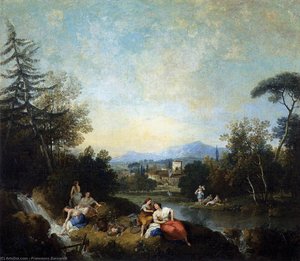
A River Scene (triptych)
 Impressionism
 1945
1945 59.0 x 164.0 cm
 Prikaži više
Ručno rađena uljana reprodukcija
Ručno oslikano uljanim bojama na platnu u dimenzijama i okviru po vašem izboru, izrađeno po narudžbi od strane naših umjetnika. ( Kupi print Kupi digitalnu sliku)




































Odaberite jednu od naših unaprijed definiranih veličina koje odgovaraju izvornim proporcijama umjetničkog djela.

Možete unijeti vlastite dimenzije kako bi odgovarale određenom okviru ili prostoru. Ako odabrana veličina ne odgovara proporcijama izvorne slike, izrezat ćemo umjetničko djelo ili proširiti sliku dodatnim ručno oslikanim elementima. Digitalni nacrt bit će vam poslan na odobrenje prije početka proizvodnje.
Imajte na umu da pregled na ekranu ne prikazuje stvarno izrezivanje ili proširivanje. Samo će nacrt točno prikazati konačni sastav.
Iako su dostupne prilagođene veličine, preporučujemo odabir dimenzije s preddefiniranog popisa kako bismo očuvali izvorne proporcije.
Nakon narudžbe, tim AllPaintingsStore.com kontaktirat će klijenta putem e-pošte radi dobivanja uputa te dostaviti probni prikaz (mockup).
Isporuka širom svijeta () u roku od 3-4 tjedna umjesto standardnih 5 tjedana. (13 Kolovoz). Bez kompromisa u kvaliteti.

Besplatna ekspresna dostava širom svijeta

Visokokvalitetno laneno platno

Potpuno osiguranje dostave

Jamstvo povrata carine i uvoznih poreza

Garancija vjernog podudaranja boja

Politika povrata u roku od 60 dana (samo u slučaju nedostataka)

Jamstvo povrata 100% novca

Popust na više proizvoda
 Opcija stakla dostupna je samo za dimenzije manje od 110 cm

A River Scene (triptych)
Tehnika reprodukcije
Veličina reprodukcije
-


Ukupna cijena
$ 258
Srodna umjetnička djela




Biografija umjetnika
Leopold Pascal (1900 – 1958): Bridging Impressionism and Expressionism
Leopold Pascal was a British painter born in Cambridge, Massachusetts, in 1900, though he spent most of his artistic life in France. His distinctive style blended the luminous qualities of Impressionism with the emotive intensity characteristic of Expressionism, resulting in landscapes imbued with profound psychological depth and capturing fleeting moments of beauty amidst atmospheric conditions. Pascal’s work explored themes of solitude, contemplation, and the sublime—a fascination for nature's grandeur combined with an awareness of its vulnerability.Early Life and Artistic Training
Pascal’s formative years were spent studying at Harvard University before embarking on a European journey that profoundly shaped his artistic vision. He traveled extensively throughout France and Italy, immersing himself in the artistic traditions of these countries. Notably, he studied under Eugène Boudin, a prominent Impressionist painter who championed plein air painting—working outdoors directly from nature—a technique that would become central to Pascal’s oeuvre. Boudin instilled in Pascal a deep appreciation for capturing light and color as they appeared in real-time, prioritizing observation over meticulous detail.Style and Technique: Light, Texture, and Emotion
Pascal's artistic style is immediately recognizable by its masterful manipulation of light and texture. He employed thick impasto—applying paint thickly onto the canvas—creating palpable surfaces that convey a sense of physicality and immediacy. This technique wasn’t merely decorative; it served to heighten emotional impact, mirroring the turbulent inner landscapes he sought to portray. His palette favored muted tones – ochres, browns, greys – reflecting the subdued hues of twilight or misty mornings. However, Pascal skillfully juxtaposed these cool colors with flashes of vibrant pigment, capturing the ephemeral beauty of sunlight filtering through foliage or illuminating snow-covered vistas. Influenced by artists like Cézanne and Schiele, Pascal’s compositions often featured simplified forms and expressive brushstrokes—a deliberate departure from Impressionistic realism.Notable Works and Themes
Pascal produced a prolific body of work encompassing landscapes, portraits, and still lifes. Among his most celebrated paintings are “Snow in Chelsea,” depicting a wintry cityscape bathed in diffused light, and “A River Scene,” a monumental triptych capturing the serene beauty of a riverside landscape under overcast skies. These canvases exemplify Pascal’s ability to convey complex emotions through subtle visual cues—a masterful use of color, texture, and composition. Recurring themes in his paintings included introspection, melancholy, and an awareness of mortality – reflecting a preoccupation with existential questions that resonated deeply within the artistic milieu of his time. His depiction of Morlaix, France, showcases his talent for capturing atmospheric conditions and conveying mood through tonal variations.Legacy and Influence
Leopold Pascal’s contribution to British art is significant, particularly as he championed plein air painting and bridged the gap between Impressionism and Expressionism. He was awarded an MBE (Member of the Order of the British Empire) in 1953 for his services to the arts. Pascal's work continues to inspire artists today, demonstrating the enduring power of observation and emotional honesty—a testament to his artistic vision and lasting legacy as a painter who captured the essence of human experience within the framework of evocative landscapes. His paintings are held in numerous collections worldwide, ensuring that his distinctive style and profound aesthetic sensibility will continue to captivate audiences for generations to come.
léopold pascal
1900 - 1958
Osnovne informacije
- Artistic Movement Or Style: Impressionism
- Artists Or Movements Influenced By This Artist: ['Egon Schiele']
- Artists Who Influenced This Artist:
- Claude Monet
- Pierre-Auguste Renoir
- Date Of Death: 1958
- Full Name: Leopold Pascal
- Nationality: British
- Notable Artworks:
- Snow in Chelsea
- A River Scene (triptych)
- La Grand'Rue, Morlaix
- Place Of Birth: Cambridge, England
Srodni članci

River Valley Landscapes: A Procurement Guide to Premium Oil Reproductions for Large-Scale Hospitality Projects
Streamline large-scale hospitality projects with premium river valley landscape oil reproductions. Expert sourcing for hotel designers offering custom sizing, multi-panel layouts, bulk order management, and reliable global shipping for professional art procurement.



