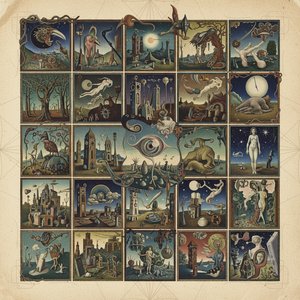
1919. Oil On Canvas, 54.0 x 43.0 cm.

§ 1Catalogue data

- 54.0 x 43.0 cm


Ovo djelo je zaštićeno autorskim pravima
Djelo prikazano na ovoj stranici zaštićeno je autorskim pravima, što znači da zakonski ne možemo izraditi niti prodati identičnu reprodukciju. Ova se zaštita provodi u skladu s međunarodnim sporazumima kao što su Bernska konvencija i nacionalnim zakonima, uključujući i one koji su utvrđeni u Američki zakon o autorskom pravu – Title 17.
Kao poštovana i legalna alternativa, nudimo prilagođena, ručno oslikana umjetnička djela inspirirana originalom. Naši vješti i profesionalni umjetnici pažljivo proučavaju stil, raspoloženje i umjetničku bit originala kako bi stvorili novo, jedinstveno djelo koje izaziva isti osjećaj – ostajući pritom vlastito, originalno stvaralaštvo.
Ova metoda u potpunosti je usklađena s autorskim pravima jer ne uključuje kopiranje ili dupliciranje zaštićenih umjetničkih djela. Umjesto toga, riječ je o kreativnoj reinterpretaciji – novoj slici koja je dobila utjecaj na izvornik, ali nije identična njemu.
 Pročitajte više
§ 2Abstract
Opis kolekcionarskog predmeta
Explore Max Ernst’s surreal masterpiece ‘Aquis submersus,’ capturing a dreamlike pool scene with enigmatic figures and symbolic sports balls—a captivating glimpse into the artist's philosophical exploration of the subconscious during the Surrealist era. Discover this stunning reproduction.
Biografija umjetnika
Otkrijte nadrealistički svijet Maxa Ernsta (1891-1976), pionira Dadaizma i Nadrealizma! Istražite njegove inovativne tehnike frottage, kolaže i snovite slike prepune ptica, krajolika i psiholoških tema.
§ 3Commentary
A Dreamscape Suspended in Time
To gaze upon Max Ernst’s 1919 masterpiece, Aquis submersus, is to step through a portal into the unsettlingly beautiful logic of the subconscious. The title itself, Latin for "Drowned in the Waters," serves as a haunting prelude to a visual journey that transcends the boundaries of the rational world. At first glance, the painting presents a scene of deceptive tranquility: a swimming pool nestled among architectural forms, where figures linger in a state of suspended animation. Yet, beneath this serene surface lies the restless energy of the early 20th century, a period defined by profound societal upheaval and the intellectual ferment following the Great War. Ernst does not merely depict a scene; he engineers a psychological labyrinth, inviting the viewer to navigate a landscape where the lines between reality and dream begin to dissolve.
The composition is an arresting study in juxtaposition. A man stands at the edge of the pool, his gaze fixed intently upon a woman reclining within the azure depths. This intimate, almost voyeuristic encounter is punctuated by the presence of two sports balls, strategically positioned to disrupt the water's surface. These elements of incongruity introduce an unsettling humor and a sense of chance that are hallmarks of the Dadaist and Surrealist spirit. As one explores the periphery of the pool, other figures appear scattered throughout the tableau—some sitting, some lying down—creating a sense of a shared, yet deeply isolated, dreamscape. The architecture itself feels strangely weightless, with buildings that cast shadows against the sky like solid walls, and a clock hanging in the heavens, its reflection on the water masquerading as a pale moon.
Technique and the Language of Surrealism
Ernst’s approach to Aquis subsubmersus is deeply rooted in his desire to liberate art from the constraints of logic. While this early work shows the profound influence of Italian Metaphysical art, it also hints at the experimental techniques that would later define his career. The painting employs bold colors and simplified forms, prioritizing emotional resonance over photographic realism. There is a tactile quality to the work, a precursor to his famous use of frottage, where textures are transferred to create organic, unpredictable patterns. This method mirrors the Surrealist obsession with accessing the hidden layers of the mind, using texture and shape to evoke the raw, unrefined imagery of dreams.
For the discerning collector or interior designer, this piece offers a profound emotional impact that shifts depending on the light and the viewer's perspective. It is a work of deep symbolism: the submerged woman may represent femininity, vulnerability, or even repressed desire, while the disruptive placement of the sports balls symbolizes the destabilization of the established order. Bringing a high-quality reproduction of this masterpiece into a space provides more than just decoration; it introduces a conversation piece that challenges the intellect and stirs the imagination. It is an ideal selection for those seeking to infuse their environment with mystery, depth, and the timeless allure of the human unconscious.
Pitanja i odgovori
Odgovara li datum 1919. godine za "Aquis submersus" kojoj fazi karijere Max Ernst pripada?
S obzirom na datum nastanka iz 1919., djelo "Aquis submersus" pripada Mature Surreal periodu umjetnika Max Ernst.
U kojem je položenu (okrenu) umjetničko djelo "Aquis submersus" autora Max Ernst?
"Aquis submersus" autora Max Ernst je u Portrait formatu. Format opisuje proporcije kompozicije.
Koja su tehnika i datum nastanka djela "Aquis submersus" autora Max Ernst?
Tehnika djela "Aquis submersus" autora Max Ernst je Oil On Canvas, a rad je datiran u 1919.



 Prebacite na printove


 Za umjetnička djela ili reprodukcije veće od 105 cm (približno 41 inč) na bilo kojoj strani, okvir će biti isporučen u obliku rastavljenog seta za montažu. Ovaj način osigurava sigurnu dostavu i sprječava oštećenja tijekom transporta.