Acrylic.

§ 1Catalogue data

Ovo djelo je zaštićeno autorskim pravima
Djelo prikazano na ovoj stranici zaštićeno je autorskim pravima, što znači da zakonski ne možemo izraditi niti prodati identičnu reprodukciju. Ova se zaštita provodi u skladu s međunarodnim sporazumima kao što su Bernska konvencija i nacionalnim zakonima, uključujući i one koji su utvrđeni u Američki zakon o autorskom pravu – Title 17.
Kao poštovana i legalna alternativa, nudimo prilagođena, ručno oslikana umjetnička djela inspirirana originalom. Naši vješti i profesionalni umjetnici pažljivo proučavaju stil, raspoloženje i umjetničku bit originala kako bi stvorili novo, jedinstveno djelo koje izaziva isti osjećaj – ostajući pritom vlastito, originalno stvaralaštvo.
Ova metoda u potpunosti je usklađena s autorskim pravima jer ne uključuje kopiranje ili dupliciranje zaštićenih umjetničkih djela. Umjesto toga, riječ je o kreativnoj reinterpretaciji – novoj slici koja je dobila utjecaj na izvornik, ali nije identična njemu.
 Pročitajte više
§ 2Abstract
Opis kolekcionarskog predmeta
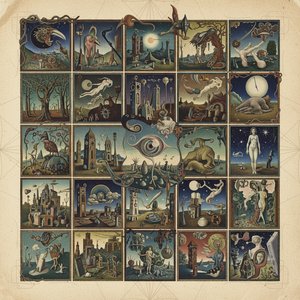
Explore Max Ernst’s surrealist masterpiece, ‘untitled (2931)’—a captivating depiction of two bird-headed figures embodying philosophical contemplation alongside musical expression. This iconic artwork from the 1930s invites you to immerse yourself in Ernst's visionary style and bring home a timeless piece of art history.
Biografija umjetnika
Otkrijte nadrealistički svijet Maxa Ernsta (1891-1976), pionira Dadaizma i Nadrealizma! Istražite njegove inovativne tehnike frottage, kolaže i snovite slike prepune ptica, krajolika i psiholoških tema.
§ 3Commentary
A Surrealist Encounter: Decoding Max Ernst’s “Untitled (2931)”
The painting "Untitled (2930)" by Max Ernst is more than just a visual spectacle; it's an invitation into the labyrinthine realm of surrealism, where logic yields to dreamlike imagery and subconscious desires surface as tangible forms. Executed sometime between 1940 and 1945 during Ernst’s prolific period in Paris—a city brimming with artistic ferment following World War II—this artwork exemplifies the movement's core tenets: automatism, juxtaposition of incongruous elements, and exploration of psychological landscapes.- Subject Matter & Composition:
- At first glance, the painting presents a striking duality. A man with avian features—a bird’s head replacing his human face—stands rigidly on one leg, clutching a guitar as if attempting to maintain equilibrium amidst an unsettling stillness. Beside him is a woman adorned in a mask, mirroring Ernst's fascination with concealment and transformation. The placement of these figures alongside a clock and a chair subtly underscores themes of time, confinement, and domesticity – concepts frequently interrogated by Surrealist artists.
Stylistic Innovation: Automatism and Collage Techniques
Ernst’s artistic process was revolutionary for its time. He championed automatism—a technique deliberately designed to bypass conscious thought—resulting in spontaneous drawings and paintings that captured the essence of unconscious impulses. This method is brilliantly realized here through collage, where Ernst meticulously assembled fragments of various materials – paper, wood grain, and possibly even printed images – onto a canvas surface. The resulting texture adds depth and complexity to the composition, mirroring the fragmented nature of dreams themselves. The deliberate blurring of boundaries between reality and fantasy speaks directly to Surrealist ideals.- Color Palette & Texture:
- The painting’s color palette is muted yet evocative, dominated by earthy tones—browns, ochres, and greys—that contribute to the artwork's melancholic atmosphere. Ernst skillfully employs layering techniques to build up texture, creating a palpable sense of materiality that contrasts sharply with the ethereal quality of the figures. This textural richness enhances the viewer’s engagement with the piece and reinforces its connection to the natural world.
Symbolism: Bird Heads and Masks – Representations of Transformation
The recurring motif of bird heads—present in both the man and woman—holds profound symbolic significance within Surrealist art. Birds are traditionally associated with freedom, aspiration, and transcendence, representing a desire to escape earthly constraints. Ernst’s use of masks amplifies this symbolism, suggesting hidden identities and suppressed emotions. The mask obscures what lies beneath, prompting contemplation about inner selves and the complexities of human experience. Furthermore, the guitar symbolizes creativity and expression—a tool for navigating the subconscious and articulating unspoken feelings.- Historical Context: Surrealism After WWII:
- “Untitled (2930)” emerged from the crucible of postwar Europe, where Surrealist artists wrestled with anxieties surrounding trauma, disillusionment, and the looming threat of nuclear annihilation. Ernst’s work embodies the movement's commitment to confronting irrational fears and challenging conventional notions of reason—a reaction against the horrors witnessed during the war years. It stands as a testament to Surrealism’s enduring power to provoke thought and inspire artistic innovation.
Emotional Resonance: A Meditation on Isolation and Desire
Ultimately, “Untitled (2930)” transcends mere visual representation; it invites viewers into a contemplative dialogue about the human condition. The figures’ posture conveys a sense of vulnerability and isolation—a reflection of the psychological landscape explored by Ernst himself. Yet, simultaneously, the guitar symbolizes an attempt to communicate, to assert oneself amidst uncertainty. The painting's haunting beauty lies in its ability to capture the elusive essence of desire—the yearning for connection and transformation that resides at the core of our subconscious minds.Pitanja i odgovori
Koja je tehnika korištena za "untitled (2931)"?
Max Ernst koristio je tehniku Acrylic za "untitled (2931)". Ova tehnika definira materijalnu prirodu izvornog djela.
Je li "untitled (2931)" dostupan kao umjetnička litografija?
"untitled (2931)" je dostupan kao umjetnički otisak na pamučnom platnu ili arhivskom kanvas papiru. Narudžbe možete izvršiti na stranici Umjetnička litografija, u dimenziji po vašem izboru.
Tko je stvorio "untitled (2931)" i u kojem je stilu izvedeno?
Autor djela "untitled (2931)" je Max Ernst, koji pripada pokretu Surrealist Expression.


 Prebacite na printove


 Za umjetnička djela ili reprodukcije veće od 105 cm (približno 41 inč) na bilo kojoj strani, okvir će biti isporučen u obliku rastavljenog seta za montažu. Ovaj način osigurava sigurnu dostavu i sprječava oštećenja tijekom transporta.