


 Pregledaj u stvarnoj veličini
 Pošalji
 Podijeli
 Detalji o umjetničkom djelu

 Preuzmi
 Slični predmeti
 Rentgenska snimka
 Automatska prezentacija
Crocus

 Prikaži više
Ručno rađena uljana reprodukcija
Ručno oslikano uljanim bojama na platnu u dimenzijama i okviru po vašem izboru, izrađeno po narudžbi od strane naših umjetnika. ( Kupi print Kupi digitalnu sliku)




































Odaberite jednu od naših unaprijed definiranih veličina koje odgovaraju izvornim proporcijama umjetničkog djela.

Možete unijeti vlastite dimenzije kako bi odgovarale određenom okviru ili prostoru. Ako odabrana veličina ne odgovara proporcijama izvorne slike, izrezat ćemo umjetničko djelo ili proširiti sliku dodatnim ručno oslikanim elementima. Digitalni nacrt bit će vam poslan na odobrenje prije početka proizvodnje.
Imajte na umu da pregled na ekranu ne prikazuje stvarno izrezivanje ili proširivanje. Samo će nacrt točno prikazati konačni sastav.
Iako su dostupne prilagođene veličine, preporučujemo odabir dimenzije s preddefiniranog popisa kako bismo očuvali izvorne proporcije.
Nakon narudžbe, tim AllPaintingsStore.com kontaktirat će klijenta putem e-pošte radi dobivanja uputa te dostaviti probni prikaz (mockup).
Isporuka širom svijeta () u roku od 3-4 tjedna umjesto standardnih 5 tjedana. (14 Kolovoz). Bez kompromisa u kvaliteti.

Besplatna ekspresna dostava širom svijeta

Visokokvalitetno laneno platno

Potpuno osiguranje dostave

Jamstvo povrata carine i uvoznih poreza

Garancija vjernog podudaranja boja

Politika povrata u roku od 60 dana (samo u slučaju nedostataka)

Jamstvo povrata 100% novca

Popust na više proizvoda
 Opcija stakla dostupna je samo za dimenzije manje od 110 cm

Crocus
Tehnika reprodukcije
Veličina reprodukcije
-


Ukupna cijena
$ 258
Srodna umjetnička djela


Biografija umjetnika
Moïse Jacobber: A Parisian Florist Capturing the Essence of French Charm
Moïse Jacobber, born Jakob Ber in Blieskastel, Germany, in 1786, and passing away in Paris in 1863, remains a quietly significant figure within the vibrant landscape of 19th-century French art. Often overshadowed by his more celebrated contemporaries of the School of Paris, Jacobber’s meticulous depictions of flowers and fruit offer a unique window into a world of refined beauty and delicate observation – a testament to his dedication as a painter at the prestigious Manufacture nationale de Sèvres.
Jacobber's early life remains somewhat shrouded in mystery, though it is known he pursued artistic training under Gérard van Spaendonck. This formative period undoubtedly instilled within him an appreciation for naturalism and a keen eye for detail, qualities that would later define his distinctive style. He arrived in Paris and quickly established himself as a sought-after floral painter, securing a position at Sèvres in 1823 – a role he held until 1835. This association wasn’t merely a job; it became the very foundation of his artistic identity. The porcelain manufactory provided him with an unparalleled opportunity to study and render the intricacies of botanical forms, demanding both technical precision and an understanding of color and texture that extended beyond mere representation.
Jacobber's work is characterized by a remarkable realism tempered by a subtle impressionistic sensibility. He wasn’t simply copying nature; he was striving to capture its essence – the fleeting light on petals, the delicate veins in leaves, the velvety textures of fruit. His compositions are often meticulously arranged, creating balanced and harmonious arrangements that invite close inspection. Unlike some of his contemporaries who favored dramatic lighting or bold brushstrokes, Jacobber preferred a softer, more diffused approach, prioritizing subtlety and nuance. This is particularly evident in works like “Fleurs et Fruits (raisins et fraises),” where the lusciousness of the grapes and strawberries is rendered with an almost photographic accuracy, yet imbued with a sense of warmth and vitality.
The influence of Jan van Huysum, a renowned Dutch botanical painter, is readily apparent in Jacobber’s work. Van Huysum's detailed studies of flowers served as a model for many artists of the period, and Jacobber clearly drew inspiration from his meticulous observation and skillful rendering of botanical forms. However, Jacobber possessed a distinctly French sensibility, imbuing his paintings with a sense of elegance and refinement that is characteristic of the Sèvres style. His work was not merely decorative; it was an exploration of beauty, a celebration of nature’s bounty.
Beyond his role at Sèvres, Jacobber actively participated in Parisian art circles, exhibiting his works at the Salon from 1822 to 1855. His paintings were also shown in other prominent cities like Lille, Douai, and Cambrai, as well as internationally in London. This widespread recognition speaks to the quality of his work and its appeal to a broad audience. Notably, he was commissioned to create floral arrangements for King Louis Philippe, further solidifying his position within the French artistic establishment. His legacy extends beyond his own paintings; his daughter, Élisabeth Sidonie Jaccober, also followed in his footsteps, becoming a skilled floral painter and even securing a patent for her own lithographic designs – demonstrating a continuing family tradition of botanical artistry.
Today, Jacobber’s works are held by prestigious institutions such as the Louvre Museum and the Musée des Beaux-Arts de Rouen. His paintings offer a poignant glimpse into a bygone era—a time when art was deeply intertwined with craftsmanship, elegance, and an unwavering appreciation for the beauty of the natural world. Moïse Jacobber's quiet dedication to capturing the delicate intricacies of flowers and fruit ensures that his work continues to resonate with viewers today, reminding us of the enduring power of observation and artistic skill.

moïse jacobber
1786 - 1864
Osnovne informacije
- Artistic Movement Or Style: Floral painting
- Artists Or Movements Influenced By This Artist: ['School of Paris']
- Artists Who Influenced This Artist: ['Spaendonck']
- Date Of Birth: March 6, 1786
- Date Of Death: July 17, 1863
- Full Name: Moïse Jacobber
- Nationality: French
- Notable Artworks:
- Crocus
- Fleurs et fruits
- Place Of Birth: Blieskastel, Germany
Srodni članci

Evoking Nature's Sublime: A Comprehensive Exploration of 19th-Century Landscape Painting
Explore the captivating world of 19th-century landscape painting! Discover renowned artists like Friedrich & Monet, key movements, and find the perfect artwork to bring nature's serenity into your home. Expert insights at AllPaintingsStore.
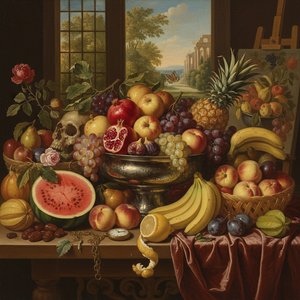
The Bountiful Still Life: Symbolism & Artistic Representation of Fruit Across Art History
Explore the rich history of still life painting & the symbolism of fruit across art movements. Discover masterpieces from Caravaggio to Cézanne with AllPaintingsStore – expert guidance & museum-quality reproductions.

Severin Roesen: Evoking National Identity Through American Still Life Painting
Explore the captivating world of Severin Roesen, a major American still life painter influenced by Dutch masters. Discover his lush compositions and the symbolism within his art – a window into 19th-century America.

Od klasične mrtve prirode do suvremene apstrakcije: Uzdižući prostore vile kroz umjetničku reprodukciju stila i elegancije
Otkrijte povijest i simboliku mrtve prirode te kako reprodukcije umjetnina transformiraju vile u luksuzne prostore. Kvalitetne slike, personalizacija & stručni savjeti na AllPaintingsStore.com!

Silent Narratives: Exploring the Enduring Appeal of Still Life Painting Across Centuries
Explore the rich history of still life painting with AllPaintingsStore. Discover Dutch Masters, decode vanitas symbolism & learn about collecting timeless art. Expert insights and museum-quality reproductions.



