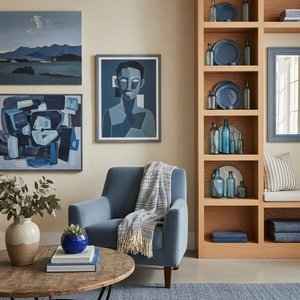
1903. Oil On Canvas, 196.0 x 128.0 cm.

§ 1Catalogue data
 Oil On Canvas
- WallArt
- Cubist Expressionism
 1903
1903- Modern
 196.0 x 128.0 cm
Ovo djelo je zaštićeno autorskim pravima
Djelo prikazano na ovoj stranici zaštićeno je autorskim pravima, što znači da zakonski ne možemo izraditi niti prodati identičnu reprodukciju. Ova se zaštita provodi u skladu s međunarodnim sporazumima kao što su Bernska konvencija i nacionalnim zakonima, uključujući i one koji su utvrđeni u Američki zakon o autorskom pravu – Title 17.
Kao poštovana i legalna alternativa, nudimo prilagođena, ručno oslikana umjetnička djela inspirirana originalom. Naši vješti i profesionalni umjetnici pažljivo proučavaju stil, raspoloženje i umjetničku bit originala kako bi stvorili novo, jedinstveno djelo koje izaziva isti osjećaj – ostajući pritom vlastito, originalno stvaralaštvo.
Ova metoda u potpunosti je usklađena s autorskim pravima jer ne uključuje kopiranje ili dupliciranje zaštićenih umjetničkih djela. Umjesto toga, riječ je o kreativnoj reinterpretaciji – novoj slici koja je dobila utjecaj na izvornik, ali nije identična njemu.
 Pročitajte više
§ 2Abstract
Opis kolekcionarskog predmeta
A melancholic Blue Period masterpiece by Pablo Picasso, La Vie captures the profound fragility of human existence through somber tones and emotive figures, inviting you to explore this iconic exploration of life.
Biografija umjetnika
Pablo Picasso (1881-1973) bio je revolucionarni španjolski slikar i kipar, suosnivač kubizma te majstor raznolikih stilova. Poznat po kultnim djelima poput Guernice i Les Demoiselles d'Avignon, njegova ostavština i dalje inspirira.
§ 3Commentary
A Symphony of Sorrow and Existence
In the somber, evocative depths of Pablo Picasso’s 1903 masterpiece, La Vie, we encounter a profound meditation on the fragility of human existence. Painted during the height of his Blue Period, this monumental canvas transcends mere portraiture to become an allegory of the soul. The scene unfolds with a haunting stillness, presenting a tableau of figures that seem suspended in a moment of eternal contemplation. A naked woman cradles a child in a tender embrace, while nearby, a man reaches out with a gesture that oscillates between yearning and despair. This delicate interplay of figures creates a narrative of connection and isolation, inviting the viewer to look beyond the surface and into the very heart of what it means to live.
The atmosphere is thick with a melancholic beauty, achieved through Picasso’s masterful use of a restricted palette. Dominated by cool blues, greens, and vioates, the colors evoke the quiet mystery of night and the heavy weight of sorrow. The artist employs thick, textured impasto brushstrokes that lend a palpable physicality to the figures, making their emotional struggle feel almost tangible. This technique does more than just define form; it mirrors the internal turbulence of the subjects, adding a layer of visceral intensity to the composition. For the discerning collector or designer, this piece offers a profound emotional anchor, bringing a sense of historical depth and intellectual gravity to any space.
The Echoes of Tragedy and Symbolism
To understand La Vie, one must look into the turbulent shadows of Picasso’s personal history. The painting was birthed in Barcelona, a city then grappling with social unrest, and was deeply influenced by the tragic suicide of Picasso’s close friend, Carlos Casagemas. This sense of grief is woven into the very fabric of the work; indeed, traces of the artist's attempt to incorporate Casagemas' likeness can be found within the layers of paint. The painting serves as a complex meta-narrative, even featuring smaller, nested paintings within its own composition that prompt us to reflect on the relationship between art and reality.
Beyond its biographical roots, the work operates on a deeply symbolic level. It is often interpreted as an allegory of sacred and profane love—the nurturing, maternal bond juxtaposed against the raw, human desire for connection. The figures themselves can be seen as representing the cyclical nature of life: the infant embodying childhood, the couple signifying youth, and the draped woman suggesting the inevitable approach of age. This profound exploration of birth, passion, and mortality ensures that La Vie remains a timeless cornerstone of modern art history. Bringing a high-quality reproduction of this evocative vision into a home or gallery is not merely an act of decoration; it is an invitation to engage with one of the most powerful expressions of the human condition ever captured on canvas.
Pitanja i odgovori
Iz koje zemlje dolazi djelo Cubist Expressionism "Life"?
"Life" djelo je koje je stvorio/la Pablo Picasso, rođen/a u Španjolska, unutar pokreta Cubist Expressionism. Umjetnikovo podrijetlo povezuje ovo djelo s Cubist Expressionism onako kako su ga prakticirali umjetnici iz Španjolska.
Gdje mogu pronaći umjetnička djela slična djelu "Life" autora Pablo Picasso?
Stranica Slična djela za djelo "Life" autora Pablo Picasso prikazuje srodna umjetnička djela.
Gdje se preporučuje izlaganje djela "Life" u formatu Portrait?
Format (Portrait) i preporučeni prostor (Living Room) dvije su ključne informacije o postavljanju za "Life" autora Pablo Picasso.


 Prebacite na printove


 Za umjetnička djela ili reprodukcije veće od 105 cm (približno 41 inč) na bilo kojoj strani, okvir će biti isporučen u obliku rastavljenog seta za montažu. Ovaj način osigurava sigurnu dostavu i sprječava oštećenja tijekom transporta.