


 Pregledaj u stvarnoj veličini
 Pošalji
 Podijeli
 Detalji o umjetničkom djelu

 Preuzmi
 Slični predmeti
 Rentgenska snimka
 Automatska prezentacija
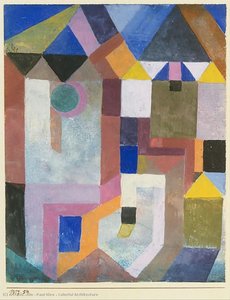
Objects on a Table
 1920
1920 89.0 x 116.0 cm
 Prikaži više
Giclée / Umjetnički otisak
Giclée tisak muzejske kvalitete ili otisak na platnu uz brzu proizvodnju i fleksibilne opcije završne obrade. ( Kupi ručno naslikanu sliku Kupi digitalnu sliku)




































Odaberite jednu od naših unaprijed definiranih veličina koje odgovaraju izvornim proporcijama umjetničkog djela.

Možete unijeti vlastite dimenzije kako biste umjetničko djelo prilagodili specifičnom okviru ili prostoru. Ako odabrana veličina ne odgovara proporcijama izvornog rada, izrezat ćemo dio slike ili je proširiti pomoću ogledalnog efekta ili jednobojne rubne površine. Digitalni prikaz (mockup) bit će vam poslan na odobrenje prije početka proizvodnje.
Imajte na umu da pregled na zaslonu ne odražava stvarno izrezivanje ili proširivanje. Samo će mockup točno prikazati konačnu kompoziciju.
Iako su dostupne prilagođene veličine, preporučujemo odabir dimenzije iz unaprijed definirane liste kako biste očuvali izvorne proporcije.
Dostava širom svijeta () u roku od 2 tjedna umjesto standardnih 4/5 tjedana. (15 Kolovoz)

Besplatna ekspresna dostava širom svijeta

Visokokvalitetno laneno platno

Potpuno osiguranje dostave

Jamstvo povrata carine i uvoznih poreza

Garancija vjernog podudaranja boja

Politika povrata u roku od 60 dana (samo u slučaju nedostataka)

Jamstvo povrata 100% novca

Popust na više proizvoda
 Opcija stakla dostupna je samo za dimenzije manje od 110 cm

Objects on a Table
Giclée / Umjetnički otisak
Veličina reprodukcije
-


Ukupna cijena
$ 64
Opis djela
Srodna umjetnička djela




Biografija umjetnika
Patrick Henry Bruce: A Pioneer of Geometric Abstraction
Patrick Henry Bruce (1881-1936) stands as a singular figure in the early 20th century American art landscape—a descendant of Patrick Henry, he embodies both familial heritage and artistic innovation. Born in Campbell County, Virginia, Bruce’s upbringing amidst the vestiges of a once vast plantation estate profoundly shaped his worldview and instilled within him an awareness of historical context that would permeate his oeuvre. This estate, originally granted by the English crown in 1728 to William Byrd II., now Berry Hill Estate—a national historic landmark—served as a backdrop for Bruce’s formative years, fostering a connection to Virginia's past while simultaneously propelling him toward a bold embrace of modern artistic principles. The economic hardships following the Civil War significantly impacted his family’s fortunes, yet Bruce persevered, pursuing evening classes at Richmond Art Club and honing his craft during daytime employment in real estate—a testament to his determination and adaptability. His artistic journey commenced around 1900 with preliminary explorations into painting, quickly gravitating toward influences from Impressionism and Cézanne. Recognizing the transformative potential of Parisian art schools, Bruce relocated to New York City in 1902, where he benefited from mentorships under William Merritt Chase, Robert Henri, and Kenneth Hayes Miller—artists who championed a burgeoning modernist aesthetic. By February 1904, he arrived in Paris, establishing himself as a resident artist and immersing himself in the vibrant intellectual milieu of the era. This Parisian sojourn proved pivotal, fostering collaborations with Sonia Delaunay and Robert Delaunay during the period between 1912 and 1914—a formative association that exposed him to Orphism’s radical experimentation with color and form. Notably, Bruce eschewed adherence to any singular artistic movement, resisting categorization within established schools like Synchromism; however, his work of 1916 demonstrates a striking resonance with Morgan Russell's Synchromist compositions—characterized by expansive, flat color areas—suggesting an intuitive grasp of contemporary stylistic trends. Bruce’s mature style anticipated Purism’s emphasis on simplified geometric forms and restrained palettes in the mid-1920s. His paintings from 1918 onward exemplify this aesthetic, presenting meticulously arranged rectangular shapes against a backdrop of evenly applied, monochrome hues—a deliberate departure from representational painting and an affirmation of abstraction as a vehicle for conveying emotion and conceptual ideas. Critics and fellow artists recognized Bruce’s pioneering vision; Marcel Duchamp acknowledged his influence on artistic experimentation, hinting at the profound impact of Bruce's work on subsequent generations of avant-garde practitioners. Bruce’s legacy extends beyond stylistic innovation—he represents an important voice in American art history during a period of dramatic cultural change. His unwavering commitment to geometric abstraction and his exploration of minimalist aesthetics solidified his position as one of the foremost proponents of Purism, contributing significantly to the development of modern visual language. Further research into Bruce's artistic output continues to illuminate the complexities of early 20th-century art and underscores his enduring contribution to the canon of American modernist painting.
patrick henry bruce
1881 - 1936
Osnovne informacije
- Artistic Movement Or Style: Cubist Painter
- Artists Or Movements Influenced By This Artist: ['Purism']
- Artists Who Influenced This Artist:
- Renoir
- Cézanne
- Date Of Birth: 1881
- Date Of Death: 1936
- Full Name: Patrick Henry Bruce
- Nationality: American
- Notable Artworks:
- Composition I
- Objects on a Table
- Place Of Birth: Campbell County, Virginia



