


 Pregledaj u realnoj veličini
 Pošalji
 Podijeli
 Detalji o umjetničkom djelu
 Vodič
Vodič

 Preuzmi umjetničko djelo
 Slični predmeti
 Rentgenska snimka
 Slide show
 Pitanja i odgovori
 Statistika
Landschaft

 Prikaži više
Giclée / Umjetnički otisak
Giclée tisak muzejske kvalitete ili otisak na platnu uz brzu izradu i raznolike opcije završne obrade. ( Kupi ručno oslikano djelo Prebacite na digitalnu sliku)




P118B €10

P118H €10

P118W €10

P438Z €10

P508JH €12

P508YH €12

P805H €10

P805Z €10

P919BZ €10

P919G €10

P919XJ €10

P959ZH €10

P968JZ €12

W106C €8

W218G €10

W218JH €8

W218Y €10

W307PJ €10

W316G €10

W316PJ €8

W316Y €10

W398PJ €8

W4111J €10

W500HY €15

W500JH €15

W692G €12

W849H €8

W940BG €15

W953PJ €8




Odaberite jednu od naših unaprijed definiranih veličina koje odgovaraju izvornim proporcijama umjetničkog djela.

Unesite potrebnu širinu i visinu kako bi odgovarali vašem okviru ili zidu. Print se može samo izrezati, nikada ne može biti veći od slike, stoga format s drugačijim omjerom stranica uzrokuje gubitak dijela slike. Prije bilo kakve štampe šaljemo vam digitalni prikaz (mockup) na odobrenje. Slika prikazana na ovoj stranici ne prikazuje stvarni rez — to prikazuje isključivo digitalni prikaz.
Dostava širom svijeta () u roku od 2 tjedna umjesto standardnih 4/5 tjedana. (8 Studeni)

Besplatna ekspresna dostava širom svijeta

Visokokvalitetno laneno platno

Potpuno osiguranje dostave

Jamstvo povrata carine i uvoznih poreza

Jamstvo vjernosti boja

Politika povrata u roku od 100 dana (samo u slučaju nedostataka)

Jamstvo povrata 100% novca

Popust na više proizvoda
 Opcija stakla dostupna je samo za dimenzije manje od 110 cm

Landschaft
Giclée / Umjetnički otisak
Veličina reprodukcije
-


Ukupna cijena
€ 58
Srodna umjetnička djela


Biografija umjetnika
Paul Baum (1859 – 1932): A Quiet Master of Impressionist Landscape
Paul Baum (1859-1932) emerged from Meissen, Germany, as a painter deeply rooted in the burgeoning Impressionist movement. His artistic journey began with formative exhibitions and culminated in a distinguished career marked by meticulous observation and serene depictions of rural life—a testament to his unwavering dedication to capturing fleeting moments of beauty.- Early Years & Training: Baum’s initial artistic inclinations were nurtured during his youth, shaping him into the artist he would become. He honed his skills through diligent study and experimentation, absorbing influences from established Impressionist luminaries like Claude Monet and Camille Pissarro.
- Rome Prize & Tuscan Retreat (1895): A pivotal moment arrived in 1895 when Baum secured the Villa Romana prize, granting him a year’s residency in Rome—a crucible for artistic innovation. This experience profoundly impacted his style, fostering a preference for luminous palettes and atmospheric perspective characteristic of Impressionism.
- Travels & Artistic Development: Baum's wanderlust propelled him to Tuscany, where he spent four years immersed in the landscapes of San Gimignano and Florence. These travels fueled his artistic vision, resulting in evocative paintings that conveyed the essence of Italian countryside with remarkable sensitivity.
The Impact of War & Academic Influence (1914 – 1918)
The outbreak of World War I disrupted Baum’s trajectory, forcing him to return to Germany and accept a professorship at the Academy. However, his artistic pursuits continued despite these obligations, demonstrating his commitment to both teaching and creative expression. Notably, he succeeded Carl Bantzer as professor of landscape painting—a role that solidified his position within the German art community.- Brief Artistic Collaborations: Baum’s artistic endeavors extended beyond lecturing; he engaged in collaborative projects with fellow artists, enriching the visual culture of his time.
Marburg & Continued Landscape Exploration (1921 – 1932)
In 1921, Baum established a home in Marburg, envisioning it as his permanent abode—though he remained active artistically until his untimely death in 1932. He continued to refine his technique and explore new subjects, particularly the landscapes of Bavaria and Tuscany. His final years were spent primarily in San Gimignano, where he found inspiration amidst the Tuscan hills.- Legacy: Baum’s enduring legacy resides in his captivating landscape paintings—works that embody the spirit of Impressionism's pursuit of light and color. His meticulous attention to detail and profound understanding of nature continue to resonate with viewers today, securing his place as a significant figure in German art history.
Notable Works & Artistic Style
Baum’s oeuvre encompasses a diverse range of subjects—from tranquil river scenes to vibrant floral studies—all rendered with masterful precision and imbued with an unmistakable Impressionist aesthetic. His paintings are distinguished by their luminous color harmonies, soft brushstrokes, and subtle gradations of tone—elements that convey the ephemeral beauty of the natural world with unparalleled grace. Among his celebrated pieces include “Weimar in the Rain” (1883), “River Landscape in Mecklenburg” (1895), “Sint Anna ter Muiden” (c. 1902) and “Landscape near Hyères” (1909). These artworks exemplify Baum’s unwavering dedication to capturing the essence of Impressionism—a movement that forever altered the course of art history.
Paul Baum
1859 - 1932 , Germany
Osnovne informacije
- Full Name: Paul Baum
- Nationality: German
- Date Of Birth: 1859
- Date Of Death: 1932
- Place Of Birth: Meissen, Germany
- Notable Artworks:
- Weimar in the rain
- River landscape in Mecklenburg
- Sint Anna ter Muiden
- Landscape near Hyères
- Artistic Movement Or Style: Impressionism
Srodni članci

Paul Cézanne: 25 Remek-djela koji su promijenili svijet umjetnosti | AllPaintingsStore
Uronite u svijet Paula Cézanna! Otkrijte 25 remek-djela impresionizma i postimpresionizma. Saznajte priče iza slika, tehnike i inspiracije ovog francuskog umjetnika. Reprodukcije vrhunske kvalitete dostupne na AllPaintingsStore.com

Beyond the Horizon: A Curated Guide to Integrating Post-Impressionist Landscapes into Modern Interiors
Transform your home with the emotive power of Post-Impressionist landscapes. Discover expert tips on selecting hand-painted oil reproductions to create a soulful, vibrant interior that reflects your unique style and connection to nature.

Paul Klee: 25 Remek-djela Švicarskog Majstora za Uljepšavanje Vašeg Doma
Uronite u svijet Paula Kleea! Otkrijte 25 remek-djela švicarskog umjetnika, od apstraktnih ekspresionizama do živopisnih boja i jedinstvenih stilova. Inspirirajte se za dekoraciju interijera s AllPaintingsStore.com - pronađite reprodukcije vrhunske kvalitete i uljepšajte svoj dom!

Golden Fields & Sun-Drenched Meadows: Capturing the Soul of Impressionist Landscapes
Immerse yourself in the luminous world of Impressionist landscapes. Discover how masters like Monet and Gauguin captured ephemeral light through plein air painting, and learn to bring the soul of sun-drenched meadows into your home with exquisite, hand-painted oil reproductions.
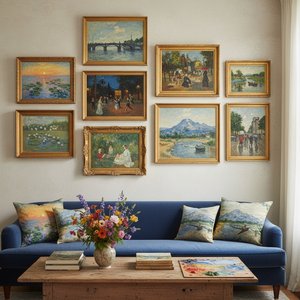
Impressionistic Landscapes: 10 Masterpieces That Changed Art & Decor
Journey into the heart of Impressionism! Explore 10 masterpieces by Monet, Renoir & Degas that revolutionized landscape art. Discover their stories, techniques & find museum-quality reproductions to elevate your home decor on AllPaintingsStore.com.