

1906. Ulje na platnu, 106.0 x 90.0 cm.

§ 1Katalogski podaci

- 106.0 x 90.0 cm


§ 2Apstraktno
Opis kolekcionarskog predmeta
Otkrij Paul Cézanneov 'Savrt na putu', živopisni pejzaž s jarkim bojama i ekspresivnim potezima četkice. Istraži njegov post-impresionistički stil i mirnu ljepotu.
 Prikaži više
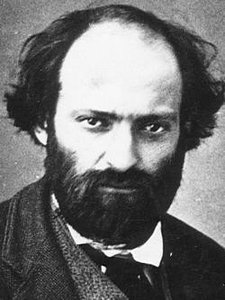
Biografija umjetnika
Paul Cézanne (1839-1906): Pionir postimpresionizma koji je spojio impresionizam i kubizam. Otkrijte geometrijske oblike, mrtve prirode i njegov trajni utjecaj na modernu umjetnost! #Cezanne #PostImpresionizam
§ 3Komentar
A Journey Through Color and Form: Exploring Cézanne’s “The Bend in the Road”
Paul Cézanne's "The Bend in the Road," painted in 1906, just before his passing, is more than a landscape; it’s an invitation. An invitation to contemplate the fundamental nature of reality itself, and to lose oneself within the quiet drama of light and form. This captivating vertical composition draws us into a serene valley, sculpted by time and weather, where a dramatic bend in the road acts as a powerful visual guide, leading the eye through a world rendered not with photographic precision, but with an intensely personal and profoundly felt response.
Cézanne’s genius lies in his ability to transcend the fleeting impressions of Impressionism. While he embraced the vibrant color palettes favored by his contemporaries – burnt orange, peach, salmon pink, cobalt blue, lime green, and spring green – he moved beyond simply capturing a momentary effect of light. Instead, he sought to reveal the underlying geometric structures that constitute the world around us. This is evident in his masterful use of visible, vertical brushstrokes, building up layers of color with an almost sculptural intensity. The strategic placement of unpainted canvas adds a remarkable lightness and emphasizes the painting’s constructed nature – a deliberate departure from mere representation.
Stylistic Influences: Bridging Worlds
“The Bend in the Road” stands as a pivotal work, embodying Cézanne's role as a crucial bridge between Impressionism and Cubism. While undeniably influenced by the Impressionists’ focus on light and color, he anticipated the radical deconstruction of form that would characterize the burgeoning movement of Cubism. His lifelong quest to understand and represent nature wasn’t about replicating what he saw; it was about distilling its essence – a pursuit reflected in his meticulous attention to shape and structure. The painting speaks to a desire for order within apparent chaos, a core tenet of Cézanne's artistic philosophy.
Symbolism and the Emotional Landscape
The road itself is a potent symbol, representing journeys, transitions, and the human experience. The dramatic bend invites us to consider our own paths – both physical and metaphorical. The imposing rock formations, rendered with a solidity that suggests enduring strength, could be interpreted as obstacles or challenges, while the distant, softly rounded hills evoke a sense of peace and possibility. Cézanne’s choice of color isn't accidental; it’s deeply emotive. The fiery oranges and pinks of the rocks contrast dramatically with the cool blues and greens of the valley trees, creating a harmonious balance that speaks to both warmth and tranquility. It is not a literal depiction of nature, but rather an emotional response *to* nature – a feeling of profound contemplation and connection.
A Legacy for Collectors & Design
Executed in oil on canvas (106 x 90 cm), “The Bend in the Road” offers a tangible connection to Cézanne’s artistic vision. The palpable texture, created by his distinctive brushwork, invites close inspection and appreciation of the meticulous detail involved. This artwork would be an exceptional addition to any collection, offering not only aesthetic pleasure but also a significant piece of art history. For interior designers seeking to infuse a space with sophistication and intellectual depth, this painting – or a high-quality reproduction – is ideally suited for hallways, entryways, or above fireplaces, adding energy and a touch of timeless elegance.
Pitanja i odgovori
Koja boja najviše dolazi do izražaja u djelu "Savrt na putu"?
Dominantna boja djela "Savrt na putu" autora Paul Cezanne je Siva bež (#e0dcd2).
Gdje se "Savrt na putu" autora Paul Cezanne nalazi u povijesti umjetnosti?
Umjetno-povijesna klasifikacija djela "Savrt na putu" autora Paul Cezanne pripada stilu Postimpresionizam, u razdoblju 19. stoljeće.
Gdje mogu pronaći statistiku o djelu "Savrt na putu" autora Paul Cezanne?
Statistike o djelu "Savrt na putu" autora Paul Cezanne možete pronaći na stranici Statistika pregleda tog umjetničkog djela: mjesečni broj posjeta umjetničkom djelu, broj posjeta umjetnikovim radovima te pregled nedavnih posjetitelja prema državi i jeziku.


 Prebacite na printove


 Za umjetnička djela ili reprodukcije veće od 105 cm (približno 41 inč) na bilo kojoj strani, okvir će biti isporučen u obliku rastavljenog seta za montažu. Ovaj način osigurava sigurnu dostavu i sprječava oštećenja tijekom transporta.


